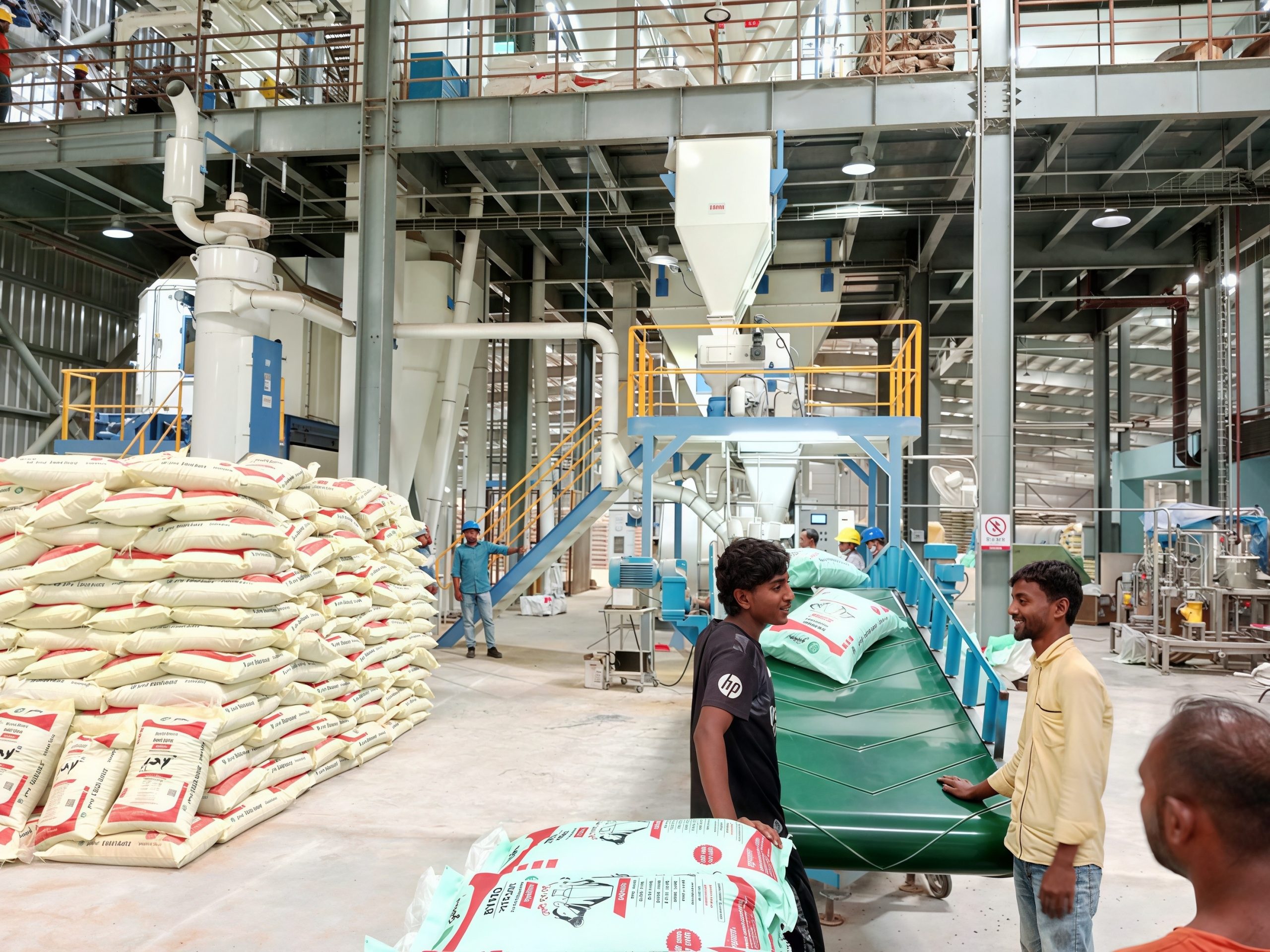
In previous issues, we analyzed the reasons for excessive powder in feed pellets. However, we are all aware that there are numerous reasons for excessive powder in feed pellets, and the interactions between these reasons are significant. It is possible that just one reason in the middle can lead to a large amount of powder. Therefore, in specific cases of excessive pellet powder, a process analysis is required. We not only need to know the possible causes but also understand the nodes where to look for excessive pellet powder.
The nodes for excessive pellet powder can be divided into the pellet mill observation port, pellet mill discharge port, rotary grading screen inlet, finished product bin inlet, pelleting floor screen inlet, packing port, palletizing area, loading area, customer storage area, and animal feeding end feed trough.
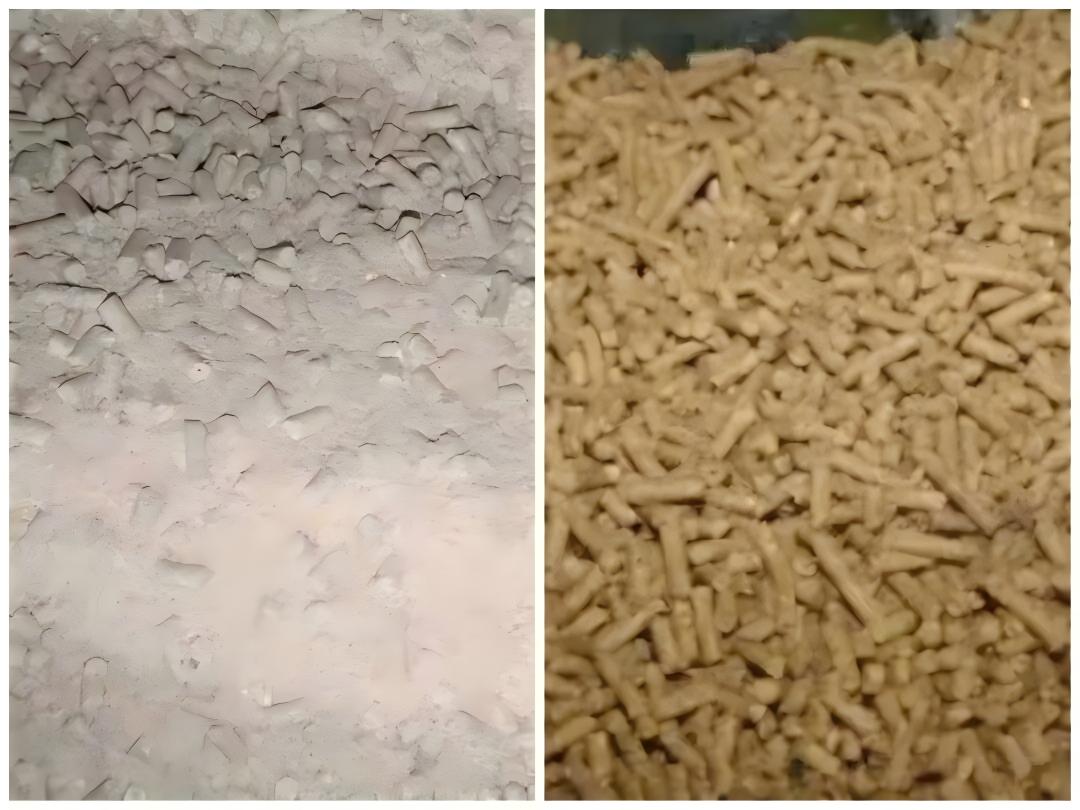
First, the pellet mill observation port. Since this area allows observation of the cooked powder after pulverization, mixing, and conditioning, the pellet pulverization particle size, mixing uniformity, and steam conditioning cooking degree can be judged through this powder. If large particles are observed in this area, the material distribution is obviously uneven, the pelleting temperature is inappropriate, the material does not clump when hand-squeezed, or it clumps excessively and is sticky and not loose, these phenomena indicate that it is highly likely to produce excessive pellet powder subsequently. Timely adjustments to pulverizing screens and maintenance, mixer parameters and maintenance, conditioning steam situation, conditioner wear, and conditioning time situation are needed.
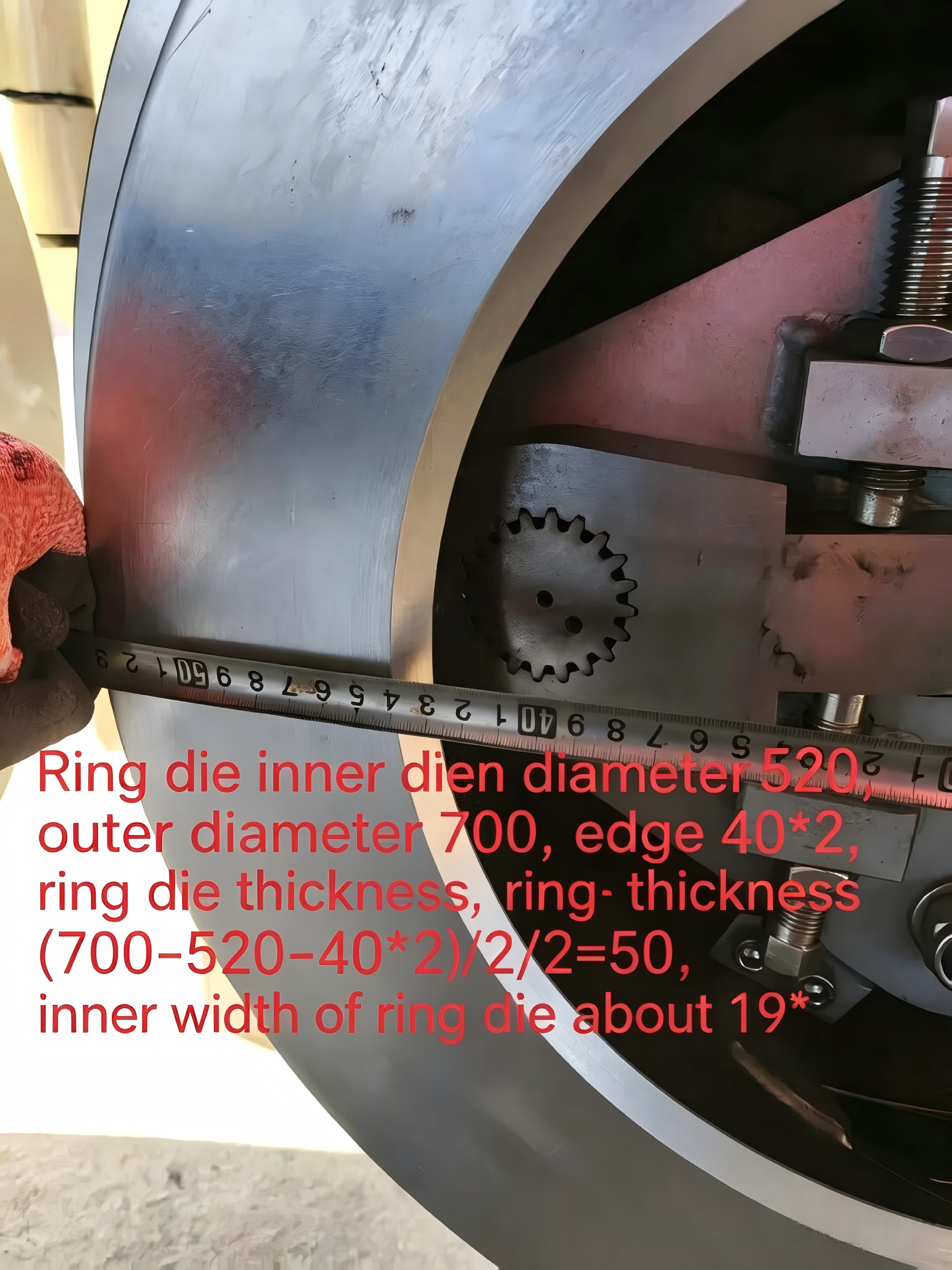
Second, the pellet mill discharge port. What can be seen in this area is the pellets initially formed by the extrusion of the conditioned material through the die and rollers. At this time, the pellet temperature in this area is relatively high (possibly around 80-90 degrees), so we need to take it out and place it somewhere to cool naturally. If the taken pellets have significant differences in length, a large number of unformed pellets, cracks on the surface, or low hardness after natural cooling, we need to investigate the pelleting causes combined with the front-end analysis to find specific possible reasons. For example, a large number of large particles indicates a high possibility of subsequent breakage, so we need to adjust the pulverizer particle size and observe the pulverizing situation to see if there is broken screen, screen mesh fixing not sealed, etc.; if the pellets are uneven in length and there are many breaks, we need to observe whether the angle of the inner and outer feeder knives of the pellet mill is appropriate, the roller wear situation, and the cutter wear and position; if there is excessive powder, we need to observe the feeder pan, die, pellet mill door sealing, formula viscous materials and the ratio high crude fiber and oil, the adaptability of the formula and die compression ratio, the procedural operation of the pelleting worker, and the feeder knife angle issues, etc.
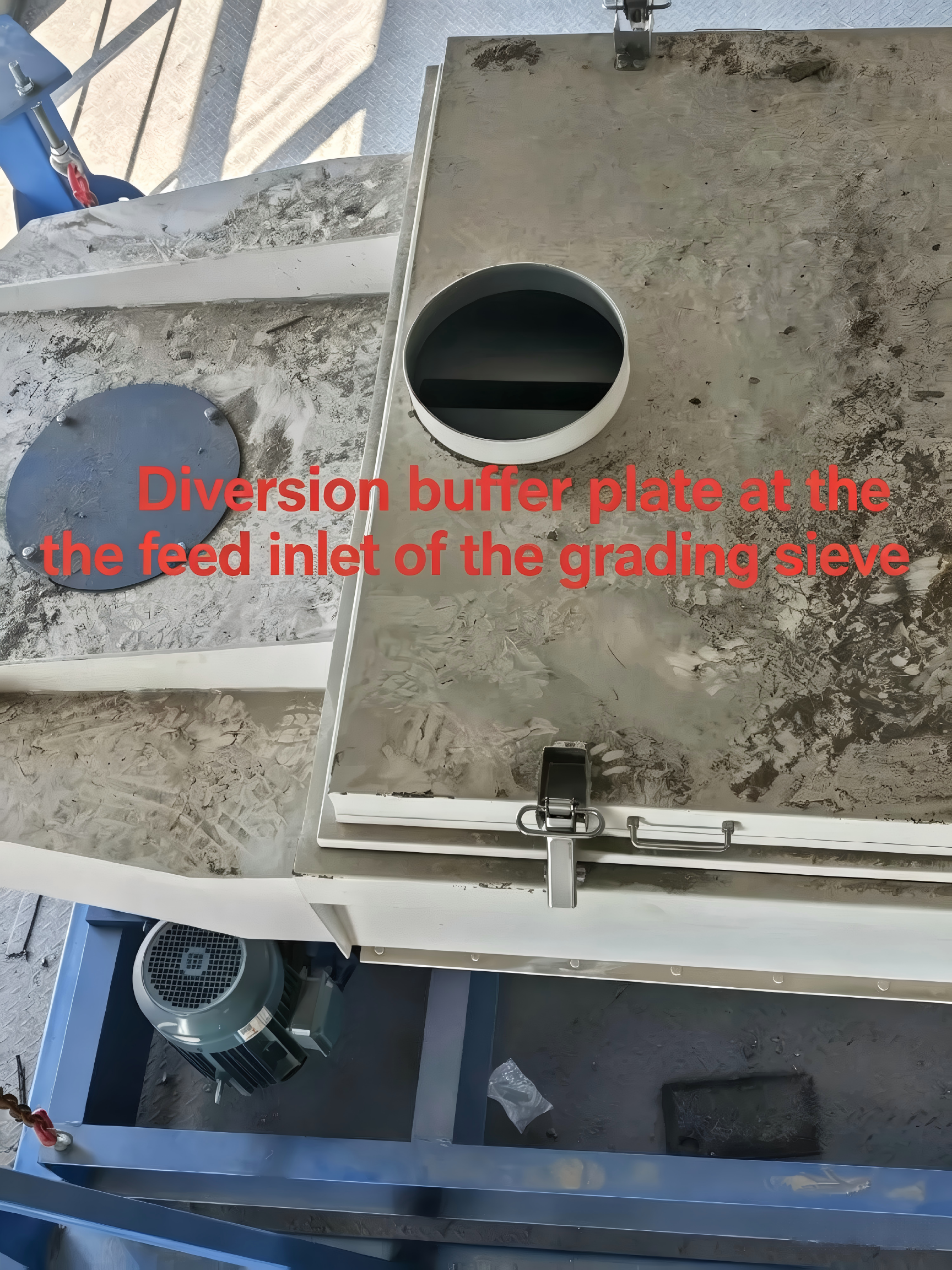
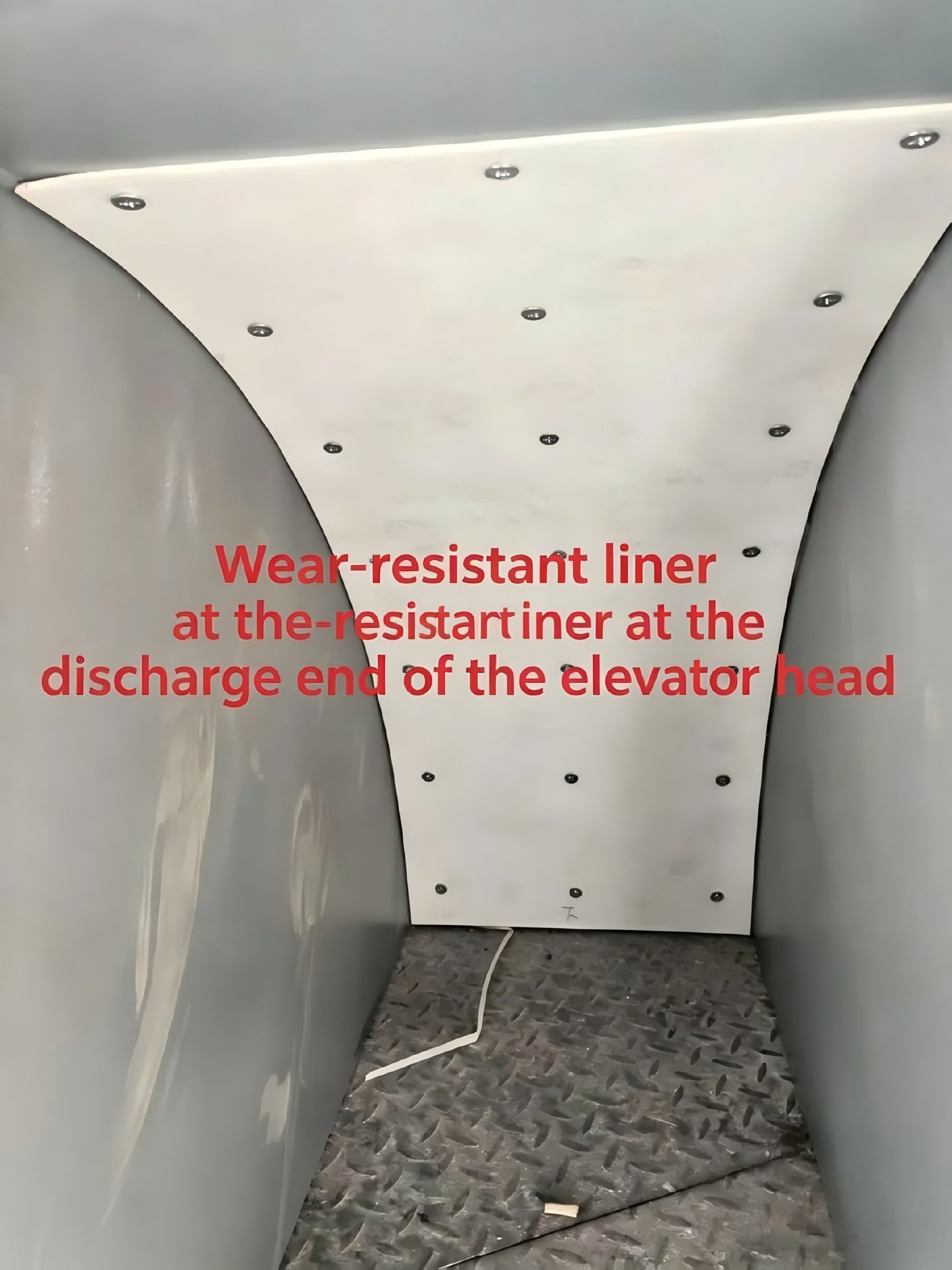
Third, the rotary grading screen inlet on the sixth floor. After coming down the flow pipe from the finished product elevator on the sixth floor, entering our rotary grading screen inlet passes through a flexible connection and then through a distribution plate into the rotary grading screen. At this time, we can observe the pellet powder situation in this place. Of course, the powder in this area is definitely relatively more. The main function of this place is to use it as a comparison point for the screening capacity of the rotary grading screen, and it can also preliminarily analyze some situations of the cooling temperature of the cooler. Because the powder screened out by the cooling cooler suction air to the cyclone eventually also enters our rotary grading screen on the sixth floor through the finished product elevator, the powder at this point may be on the high side. If it is excessive, we need to observe whether the cooler discharge valve is too low, whether the discharge valve is offset causing uneven distribution, whether the cooling time is insufficient, whether there is manual discharge, whether the finished product elevator buckets are seriously worn, whether the bottom bearing is too high causing excessive material retention and wear, whether the flow pipe angle is inappropriate, whether the distance and angle of the deflector plate at the elevator discharge outlet are inappropriate causing backflow, whether the tail pulley is hollow causing material retention and friction, and whether the wear plate at the top discharge end of the elevator has failed, etc.
Fourth, the finished product bin inlet. We need to focus on observing this node because it is a connecting link between the preceding and the following. By comparing the amount of powder here with the powder situation at the previous rotary grading screen inlet and the subsequent pelleting floor screen inlet, we can judge whether the screening capacity of our rotary grading screen and the height setting of the finished product bin are reasonable, and whether the packing process is appropriate. If the powder observed at the finished product bin inlet is obviously significantly more, and although less than the rotary grading screen inlet but not much less, we need to consider whether the bottom screen mesh of our rotary grading screen is too small or even blocked, causing the powder to fail to be screened out and flow back to our bin to be pelleted.
Fifth, the pelleting floor screen inlet. Observing the situation in this area is mainly to judge whether the height of our finished product bin is reasonable and whether the packing process is appropriate, leading to increased powder, and whether it is necessary to promptly set up buffer devices for our finished product bin or whether the packing worker’s packing process is reasonable. If there is a lot of powder at the entrance of the screen on the third floor, we need to focus on checking whether the height distance of the finished product bin is too large, causing many pellets to be broken by the throw. This kind of powder increase is accompanied by many broken ends. At this time, we need to focus on adjusting the buffer device of the finished product bin, or our packing pattern. Do not pack as soon as there is a little material; cache a portion before packing, and do not frequently run empty.
Sixth, the packing port. During the packing process, we check whether the pellet powder is excessive. If there is a lot of powder at the packing port, we need to focus on considering the screening capacity of the pelleting floor screen, whether the packing buffer bin on the second floor has an inappropriate angle causing powder accumulation, whether our small buffer bin at the packing end is regularly tapped and cleaned of powder, and whether our packing port hanging bag area is interlocked with the pelleting floor screen to avoid the situation where packing stops but the pelleting floor screen continues to rotate, causing friction and excessive powder.
Seventh, the palletizing area. This area mainly targets bagged feed, that is, the palletized pellets after the packed feed passes through the palletizer. If there is a lot of powder in the palletizing area, we need to consider our palletizer turning and bag flipping device, palletizer leveling device, palletizer climbing conveyor device, and whether the robot claws are set unreasonably causing hard impact leading to excessive pellet powder. For bulk bins, attention needs to be paid to scraper wear and chain tension.
Eighth, the loading area. This area can be divided into the bagged area and the bulk area. In the bagged area, we focus on observing whether the pellet powder is excessive after the truck is loaded. At this time, we need to consider whether the finished product storage exists against walls and floors or even in a humid environment, whether our loading workers throw the bags down from too high a height during loading directly causing excessive pellet powder, and whether the trampling is severe, etc. If it is the bulk area, if there is a lot of pellet powder, we need to consider whether the screen mesh aperture is appropriate, whether the frequency of the powder receiving area is appropriate, whether the screen mesh aperture is appropriate, whether the discharge speed is too fast, or even bypassing the screen.
Ninth, the customer’s storage area. This area also includes the bagged area and the bulk area. If there is a lot of powder in the bagged area, we need to consider whether there is barbaric loading and unloading during transportation, and observe the customer’s storage time and storage conditions. If there is a lot of pellet powder in the bulk tank, we need to consider whether the bulk tank truck filling speed is too fast, and whether the angle between the bulk tank inlet and the bulk tank truck is too large a gap, causing the bulk truck conveyor pipe angle to be too large, resulting in increased conveying pressure and thus excessive powder.
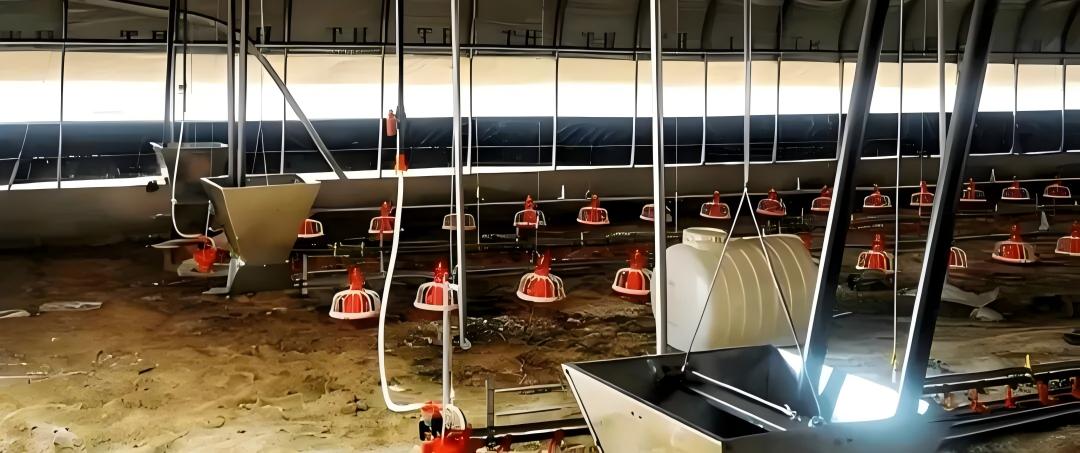
Tenth, the animal feeding area feed trough. If there is a lot of powder in this area, we need to focus on considering whether the bulk tank is regularly cleaned of powder, whether the bulk tank outlet has a powder screening device, whether the bulk conveying mechanism is set too long with too many corners or even unreasonable angle settings, whether the bagged feeding area is regularly cleaned, whether the feed trough is regularly cleaned, and whether the water line is too close to our feed trough, causing water to be splashed into the feed trough during drinking, leading to increased powder.