
1 Purpose: To establish operating procedures for the extrusion post and ensure standardized operations.
2 Scope: Applicable to the operation of the extrusion post.
3 Personnel: Operators at the extrusion post.
4 Operating Procedures
4.1 Principles of Equipment Startup and Shutdown
4.1.1 Pre-startup Preparation
4.1.1.1 Check whether the circuits, steam lines, and water lines are normal and whether conditions are met for starting production.
4.1.1.2 Check whether the pressure rings in the extrusion chamber are installed correctly, whether the tightening bolts of the cone head at the front discharge end are tightened, and ensure that screws at all parts are not loose.
4.1.1.3 Check whether the water volume in the reservoir meets production needs. Check whether the host machine’s circulating oil is circulating normally.
4.1.1.4 Add oil to all lubrication points of the machine.
4.1.1.5 Check and clean the extrusion chamber, conditioner, cooler, and dryer to ensure there is no residual material and they are kept clean.
4.1.2 Startup Sequence
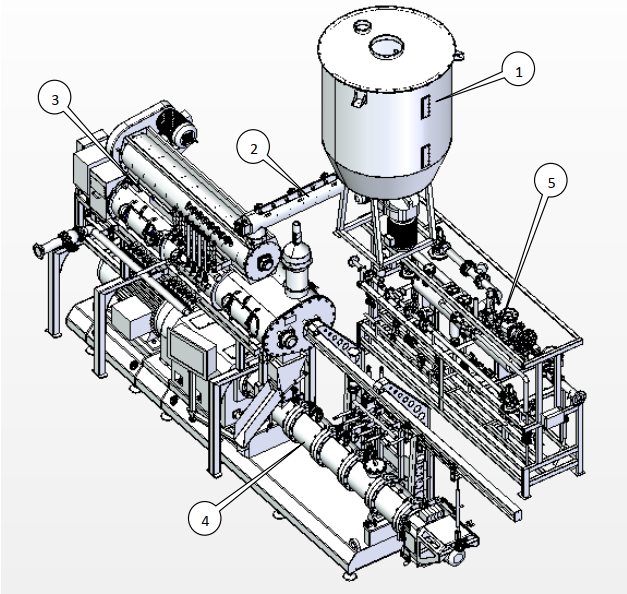
4.1.2.1 Pay attention to the startup sequence; it should be started sequentially from bottom to top following the material flow.
4.1.2.2 Before startup, open the steam valve first to preheat the first three sections of the extrusion chamber to a temperature of about 80-100℃. Discharge condensate water and check that the pressure is normal (steam pressure at 0.5 MPa). After the preheating temperature is reached, close the steam valve entering the extrusion chamber.
4.1.2.3 If the host circulating oil is normal, start the host machine to clean the machine chamber, install the production die plate, cutting knives, and lock the die seat, then stand by for production.
4.1.2.4 Check whether all instruments are normal, observe whether the discharge hole of the mixer is discharging material, and frequently observe whether the temperature meets the specified requirements to ensure the cooking of the extruded material.
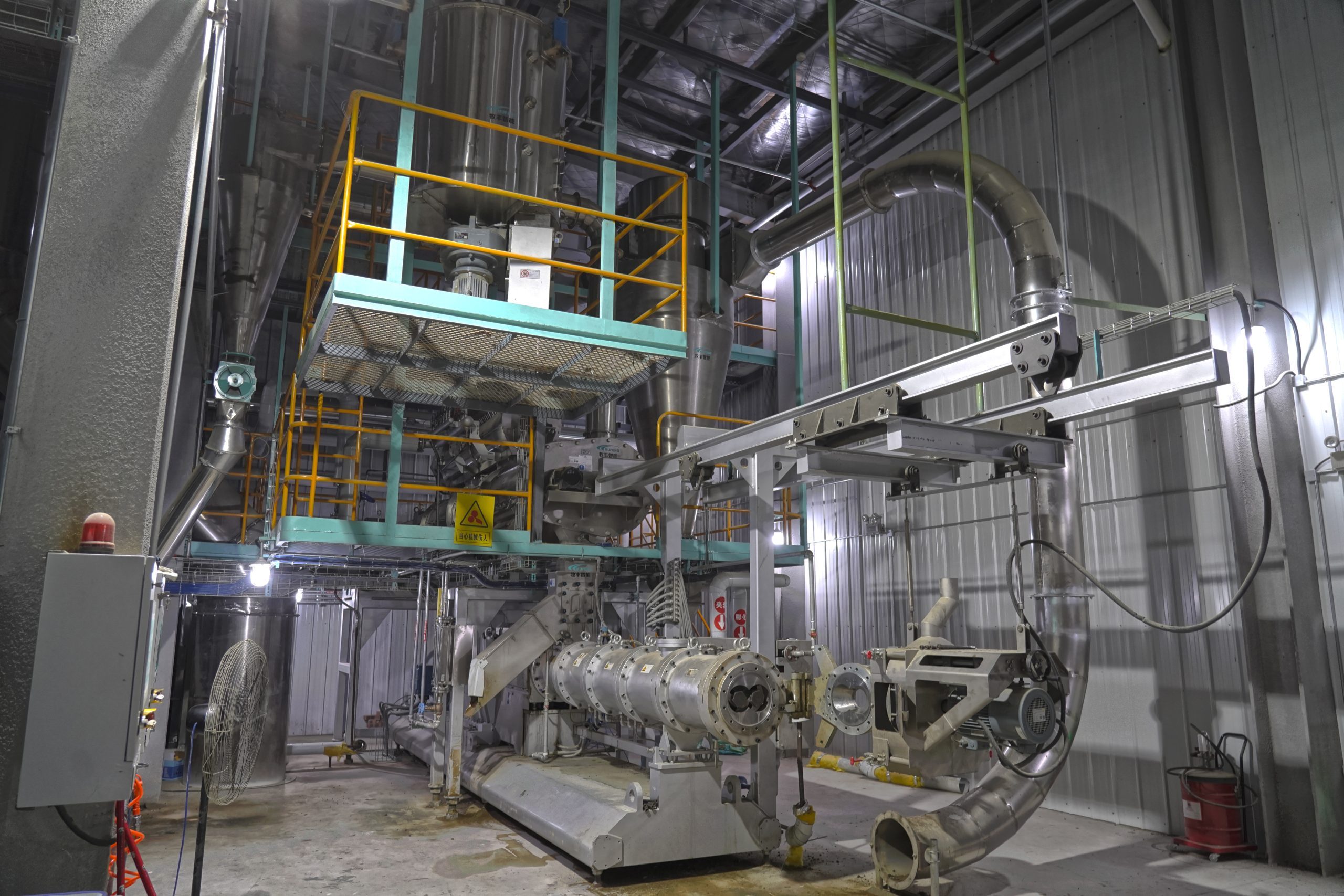
4.1.2.5 Determine the powder feeding speed, water addition amount, steam addition amount, and cutting knife speed based on the product die plate, process requirements, and capacity budget.
4.1.2.6 Start the equipment: First start the conditioner motor and set the bypass door to the bypass state to prevent extruded powder from entering the extrusion chamber. Start the feeder motor and gradually adjust the feeding amount; when extruded material flows out of the bypass chute, open the steam valve to start adding steam to the conditioner for conditioning. Wait for the temperature of the conditioned extruded material to rise, and when the conditioning temperature reaches the preset temperature, prepare to feed into the extrusion chamber.
4.1.2.7 Before feeding, start the cooling oil pump motor first, then start the extruder main motor. Feeding can only begin after the main motor is running normally. Open the tap water entering the extrusion chamber appropriately, and close the water entering the chamber according to intake needs. The water released at this time mainly serves to guide the material for smooth discharge. Do not use too much water, as excessive water will cause material slippage and machine blockage or material back-spraying. Close the bypass door to allow the conditioned extruded material to enter the extrusion chamber and wait for discharge.
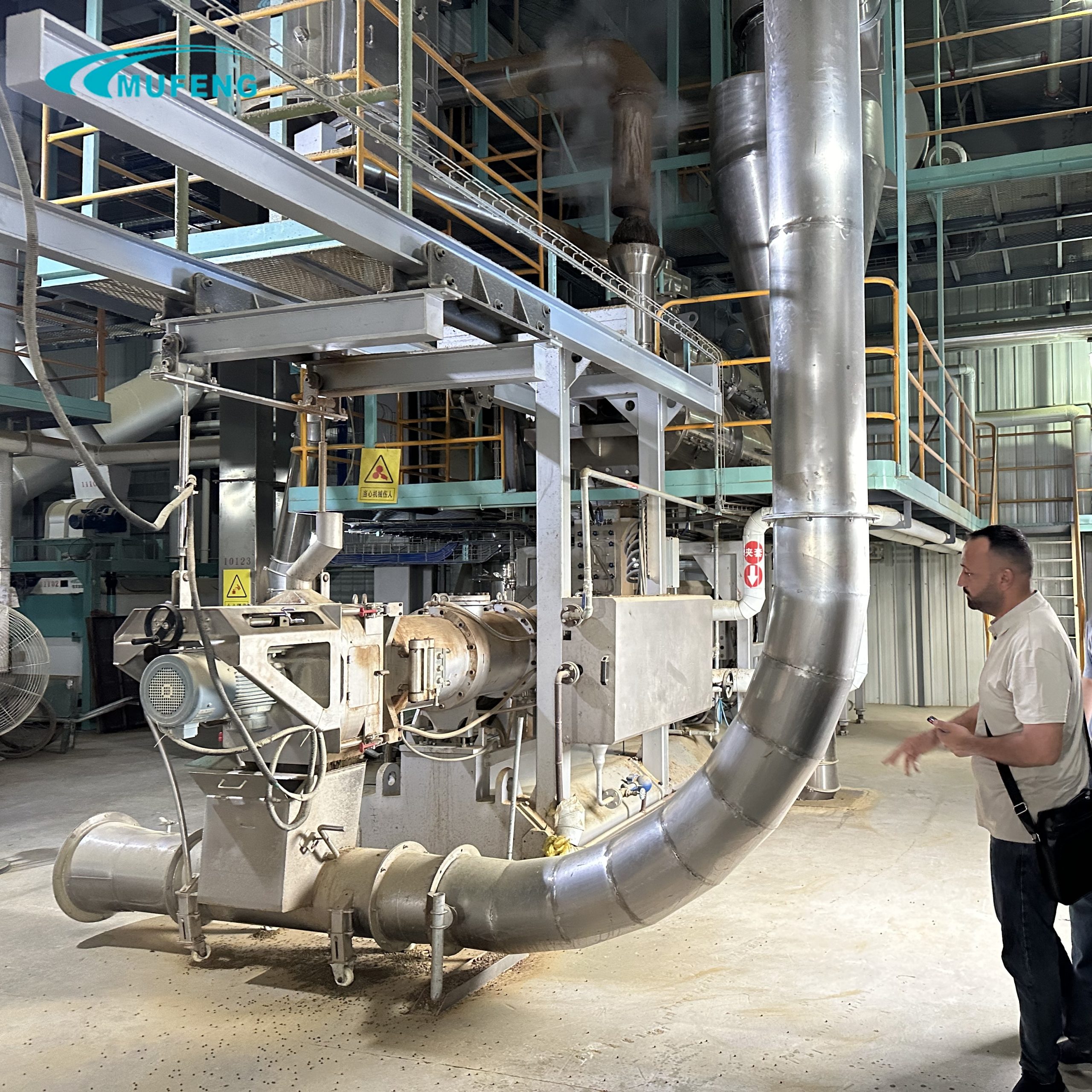
4.1.2.8 After discharge, appropriately increase the feeding amount. When the temperature sensor in the conditioner shows a temperature drop, appropriately increase the steam volume. During normal production, the conditioning temperature is generally controlled around 85-95℃. Operators should constantly pay attention to changes in the main motor current value.
4.1.2.9 When the ammeter shows a current value exceeding the rated current of the main motor, quickly press the buttons to stop the conditioner and feeder motors. Wait for the host current to return to the normal range, then start the conditioner, appropriately reduce the feeding frequency, and start the feeder motor (or quickly open the bypass door to let extruded material flow out of the bypass chute, wait for the current to drop, then close the bypass door to let extruded material enter the extrusion chamber).
4.1.2.10 Complete post operation running records during the production run.
4.1.3 Shutdown Sequence
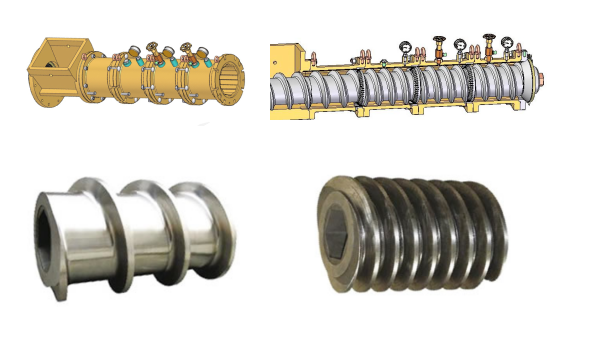
4.1.3.1 The shutdown sequence is opposite to the startup sequence; equipment should be shut down sequentially from top to bottom.
4.1.3.2 First close the steam valve of the conditioner (to prevent steam from flowing into the bin and affecting bin discharge), then close the feeder and return the feeder potentiometer knob to zero to facilitate the next startup operation. Close the conditioner, wait for the host motor current value to drop to the no-load current value, then close the main motor and the cooling oil pump motor.
4.1.3.3 After shutdown, standing directly in front of the discharge die opening of the extruder is strictly prohibited. Operators should use a wrench to remove the discharge die bolts from the side of the equipment (remove the bolt below the discharge die first to prevent steam inside the body from spraying onto the operator’s face when removing the bolt above. Removing the lower bolt first serves to relieve pressure).
4.2 Sensory Inspection and Monitoring of Conditioning Parameters
During operation, reasonably adjust the extruder operating parameters based on the appearance quality of the extruded material until the produced quality meets quality requirements.
4.2.1 Causes of Particle Deformation (bullet shape, raised edges, skewed cut):
4.2.2 Causes of Particle Size Variation: Insufficient cooking degree, excessive die hole opening, excessive gap between extrusion screw and sleeve.
4.2.3 Cylindrical Particle Shape: Insufficient cooking or insufficient flour strength.
4.2.4 Causes of Rough Surface Appearance:
4.2.5 Causes of Light Particle Weight: Excessive steam, excessive cooking time.
4.2.6 Causes of Low Yield: Changes in raw material formula, unclean internal pipe of the host machine, excessive gap between extrusion screw and sleeve, insufficient powder fineness, over-extrusion.
4.3 Equipment Cleaning
After the extrusion unit is shut down, the extrusion chamber, conditioner, cooler, and dryer should be cleaned thoroughly to facilitate the smooth progress of the next extrusion operation.
4.4 On-site Cleaning and Hygiene of Extrusion Operation
Before, after, and during the extrusion operation, the environment around the extruder should be clean and tidy without miscellaneous materials. Promptly clean generated waste materials; non-conforming materials should be returned to the machine for processing in a timely manner; finished product materials should be bagged promptly to avoid cross-contamination.
4.5 Filling out Records
After the extrusion operation is completed, the extrusion operator shall promptly fill out the “Extrusion Operation Record”.
For reference only