

How to Establish a Standardized Production Management System in a Feed Mill?

DATE : Aug 7th, 2026
Read :395

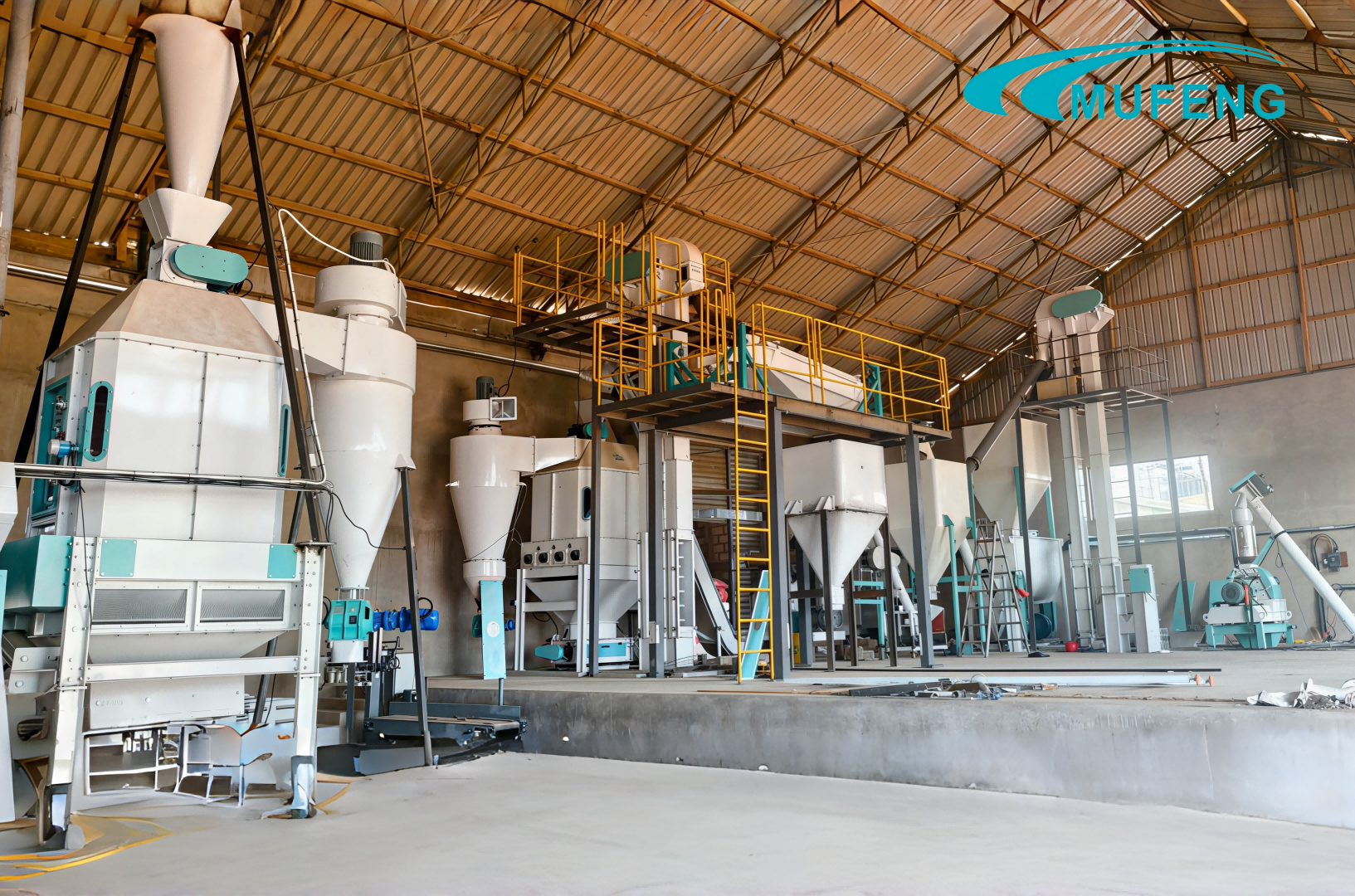
Want less rework, fewer complaints, and lower loss in your feed mill? A standardized production system is essential.The biggest fear in the workshop isn’t hard work; it’s chaos.Today, temperature is guessed by feeling; tomorrow, particle size depends on the mood; the day after, material changes are rushed arbitrarily.The result? Rework happens daily, loss is high every month, and Quality Control (QC) takes all the blame.
 

Ⅰ.Why can’t you seem to lower loss and rework?

In a nutshell:Production relies on experience, inspections are random, and blame is passed around when problems arise.Operators think: “Good enough is fine.”Central Control thinks: “We’ve always done it this way.”The Warehouse thinks: “A little moisture won’t hurt.”The final product ends up with: Too much powder, high moisture, color differences, caking, and piles of rework.QC runs around putting out fires every day, cleaning up the mess, and feeling increasingly frustrated.What truly reduces loss isn’t strict policing; it’s “locking down standards.”
Ⅱ.5 Steps to Build a Workshop Standardization System

  1. “Lock Down” Standards for Every Process

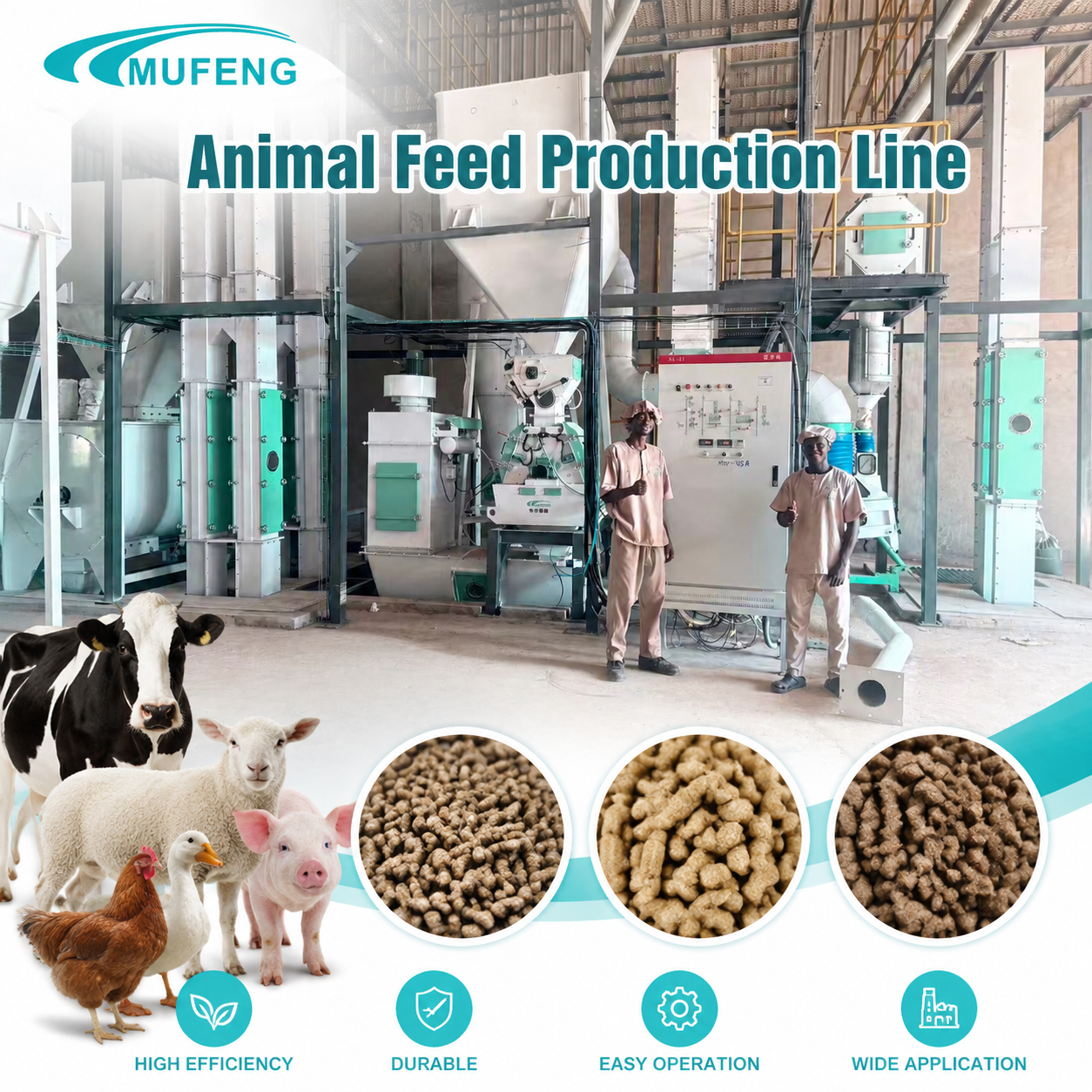
Stop producing based on feelings!Temperature, pressure, screen size, mixing time, cooling temperature difference…Write it all down, post it on the wall, and execute it uniformly.People get lazy or distracted; standards don’t.Once standards are unified, you eliminate unstable temperatures, inconsistent particle size, and erratic moisture. Most rework disappears immediately.

  1. Set Up “Five Checkpoints” at Critical Nodes—Stop Problems from Flowing to the Next Stage

Many batch defects happen because the early stages cut corners, and the later stages pay the price.
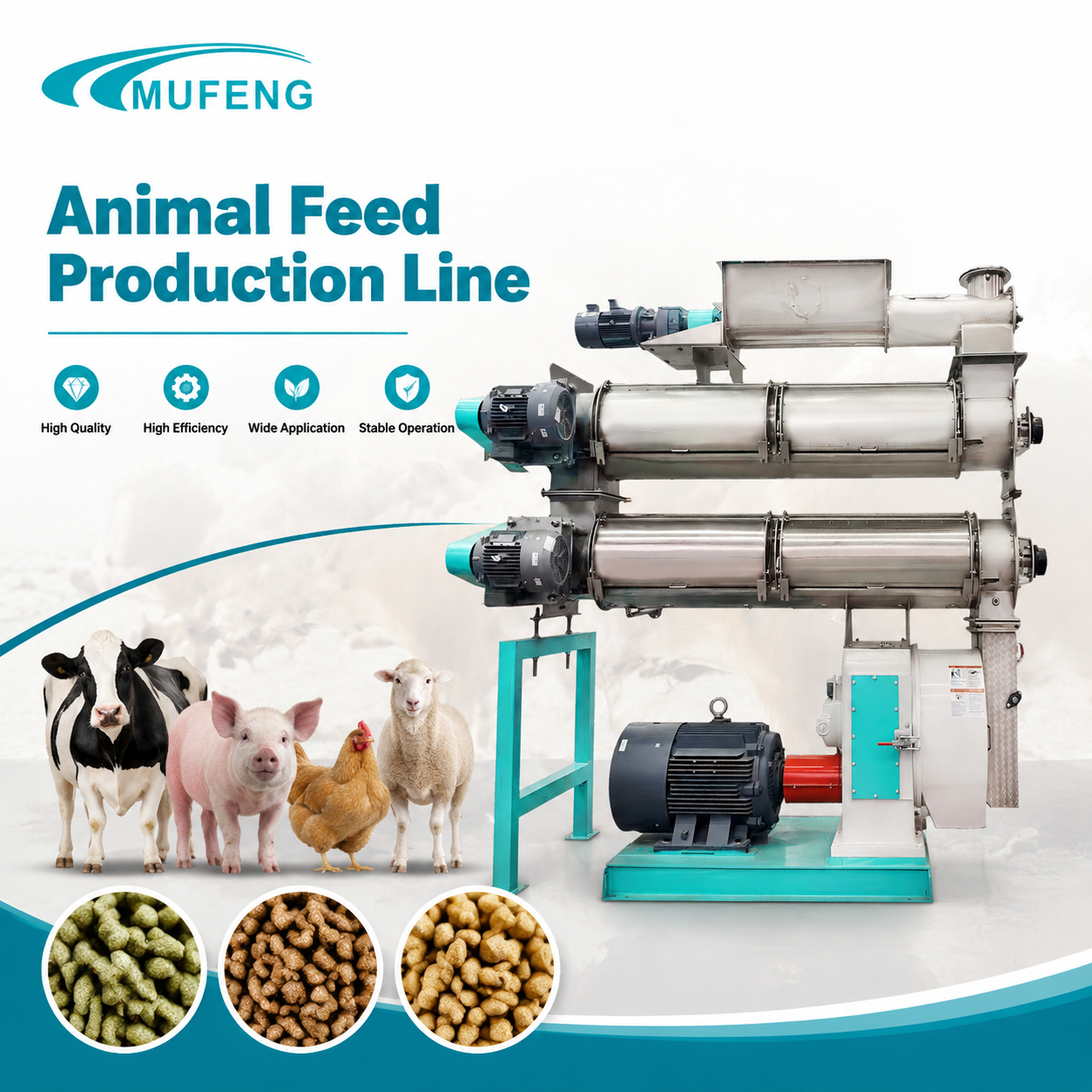
  • Raw Material Intake: Block poor materials immediately. If they don’t enter the workshop, there’s no rework.
  • Grinding: Stable particle size makes all subsequent processes easier.
  • Mixing: No cross-contamination, no drug mixing errors, eliminating batch accidents.
  • Pelleting: Stabilize temperature and steam. This secures pellet appearance, hardness, and moisture.
  • Packaging: Defective products don’t enter the warehouse; waste isn’t mixed with good product.Strict checks at the start make the end much easier.


  1. Inspections Aren’t Strolls! Timed, Fixed-Point, and Purposeful

For many new QC staff, inspections equal “taking a walk in the workshop.”Truly useful inspections boil down to three things:◈ Check for hazards before startup.◈ Monitor parameters during production.◈ Watch sensory checks during material changes.No picking favorites, no arguments, no mood-based decisions. Work by the clock, check by the point, and keep evidence of abnormalities.When the workshop is stable, loss naturally drops.

  1. Close the Loop: Finding a Problem = Must Fix + Must Re-check

The scariest situation in a workshop:Problem found → Mentioned verbally → No one fixes it → Same mistake next day → Batch failure and rework.The core of a standardization system:Problem Registration → Immediate Correction → Re-check Confirmation → Weekly Review.Don’t let the workshop step in the same pit twice. That is how loss is reduced.

  1. Keep Records, Say Goodbye to Mindless Blame

Much loss is untraceable because there are no records.Simply log inspections, parameters, abnormalities, and rework. No need for long essays; just keep it real.Records = Evidence.It becomes instantly clear who operated improperly or which process has high loss. QC is no longer the scapegoat for everything.
III. What Does the Workshop Gain from This System?

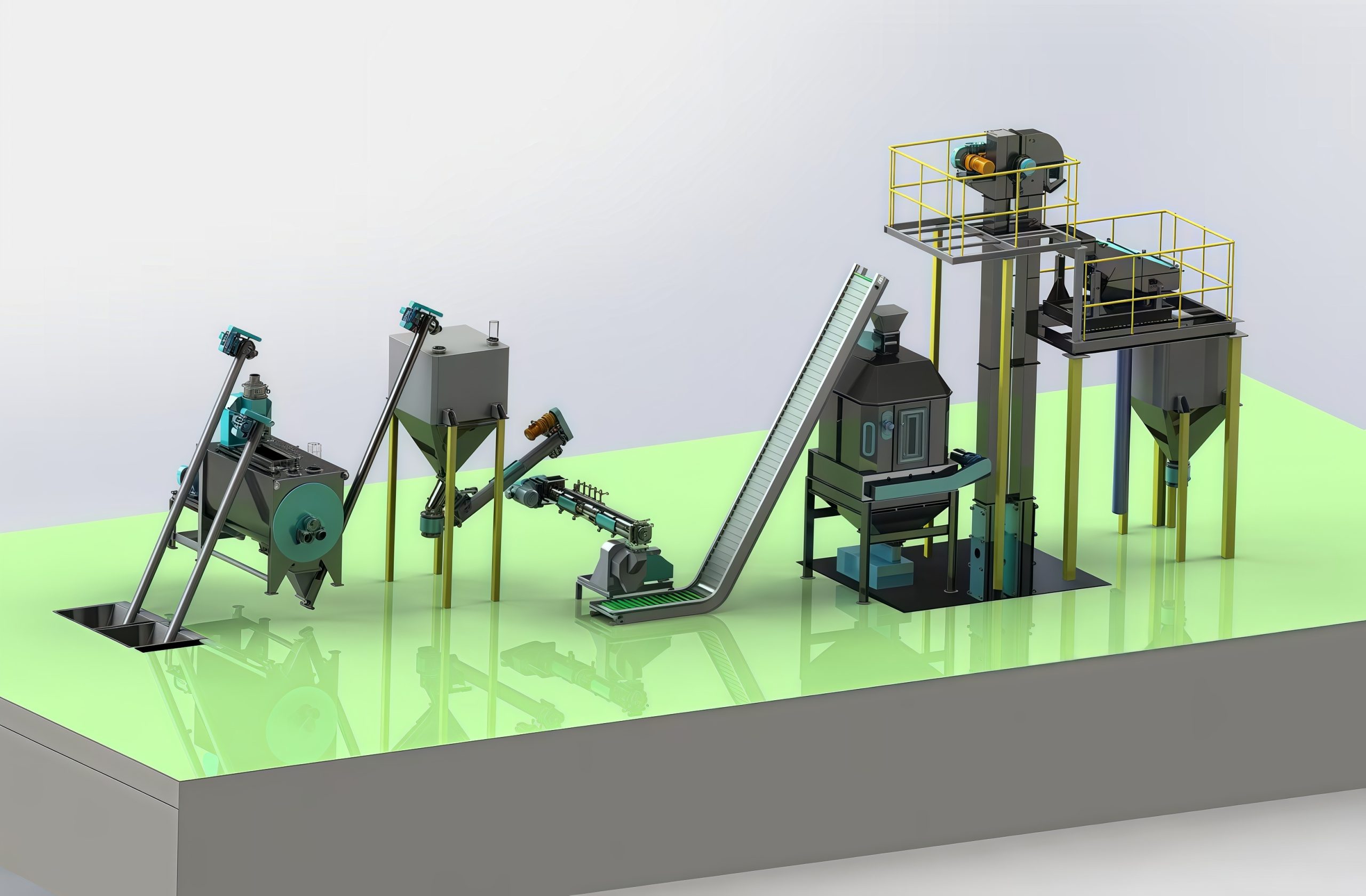
  1. Rework decreases.
  2. Losses drop.
  3. Stable quality (no more fluctuations based on the “Master’s” mood).
  4. Less finger-pointing (clear standards and responsibilities).
  5. QC stops fighting fires daily (shifts from cleaning up messes to controlling the process).Feed mill production is never about policing people, nitpicking, or finding fault.

A truly powerful Quality Controller:Transforms “working by feeling” into “working by standards.”The clearer the standards, the less rework.The more standardized the process, the lower the loss.The more perfect the system, the more relaxed everyone is.—— In production, treat the root cause, not just the symptoms.

Where is the most rework and highest loss in your workshop? Grinding? Pelleting? Material changeover?

Share:
Related News
Henan Mufeng Uzbekistan Fish Feed Production Line Installation and Launch
2026-05-06
Recently, Henan Mufeng Intelligent Equipment Co., Ltd. announced exciting news from its overseas market. As a professional machinery company specializing in the manufacturing of animal feed production line equipment, Henan Mufeng successfully delivered a fish feed production line project with a capacity of 6-10 tons per hour to a client in Uzbekistan. Currently, all equipment has arrived smoothly at the client's site, and the project installation and guidance work are proceeding in full swing.
Henan Mufeng’s Two Major Feed Production Lines: Spanning Thousands Of Miles, Helping Upgrade Nigeria’s Feed Industry
2025-08-11
The 10T/H livestock and poultry feed production line and 5T/H floating fish feed production line projects signed by the company last year have not only been successfully shipped recently, but the containers carrying advanced equipment have also arrived at their destination in Nigeria today. As a production plant specializing in animal feed machinery export services, Henan Mufeng Intelligent Equipment Co., Ltd.'s delivery marks another important milestone in the international market.
The Moisture Content in the Four Corners of the Feed Cooler Varies Significantly—What’s the Solution?
2026-07-02
Significant Moisture Variation in the Four Corners of the Cooler (Specifically Between Two Corners on One Side and the Other Two on the Opposite Side) and How to Resolve It. This is a common issue we frequently encounter in our daily work. In feed mill production equipment, the cooler is a device that works in conjunction with the pellet mill to cool the material. Its main function is to cool the high-temperature pellets (approximately 85–95°C) formed from the uniformly mixed semi-finished product after conditioning with high-temperature, high-humidity steam in the conditioner and pressing through the pellet mill ring die. The goal is to bring the feed to a temperature close to ambient (±5°C) for subsequent storage. The cooling time of the cooler varies depending on its dimensions (length, width, height), material level settings (low, medium, high), and production capacity (tons per hour), typically ranging from 5 to 30 minutes. This data is for reference only.
Get A Free Quote

    *

    *

    Production Line

    Production Capacity

    *Messages

    x