
Many factories lack on-site quality control (QC), or simply assign a random person to fill the role.The result is: they only look at data results, but cannot understand the process that generates those results.Lab reports are conclusions drawn after the fact; process parameters are the weathervanes for predicting quality in advance. A truly experienced on-site QC inspector never acts merely as a “sampling tool.”
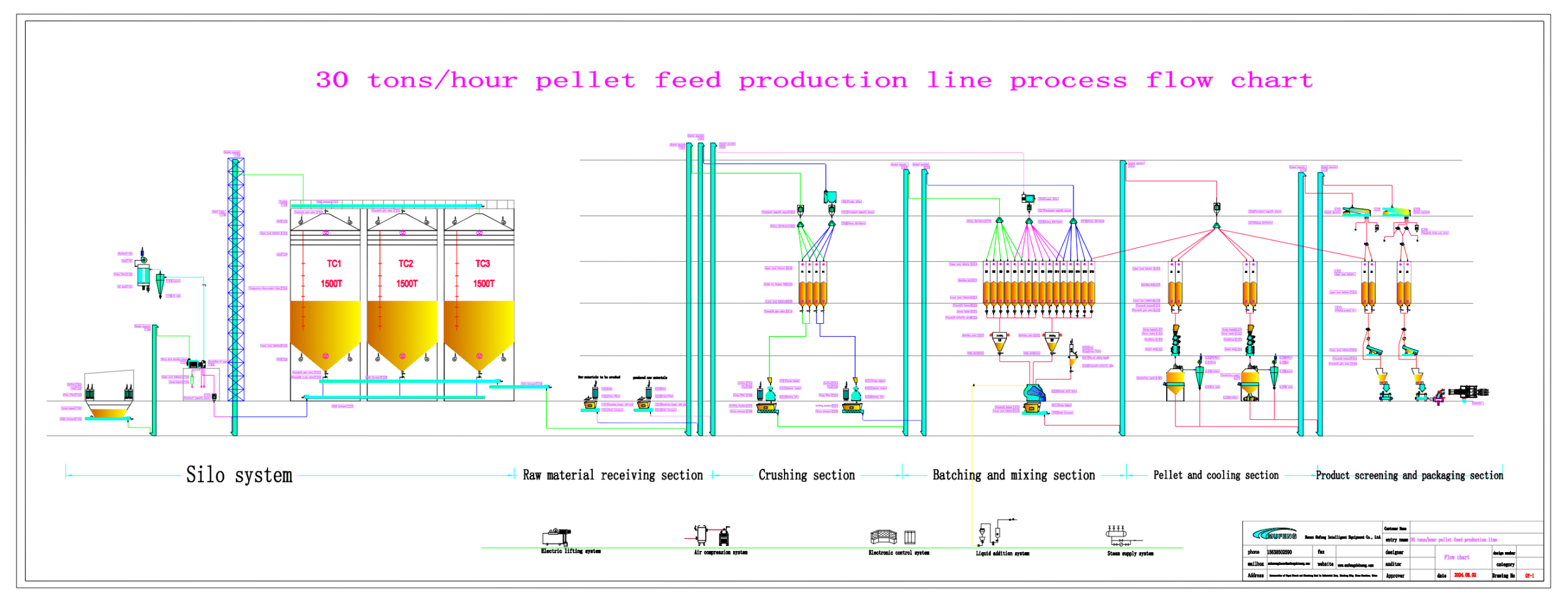
Lab testing belongs to post-event control. High pellet pulverization rate, excessive moisture, abnormal color, uneven mixing—by the time these appear, the problem has already occurred, and waste and rework costs have been generated.Process parameters are pre-event warnings. By monitoring parameter fluctuations, you can smell quality risks ahead of time and nip problems in the bud at the semi-finished stage.The status quo of QC personnel who don’t understand parameters:When pellet pulverization rates exceed standards, they suspect the ring die or raw materials, but are unaware of high-frequency factors like conditioning temperature, steam pressure, complex transport processes, or large drop heights;When finished product moisture fluctuates wildly, they only stare at storage, ignoring that cooling fan air volume and cooling duration are continuously deviating from standards;When feed colors vary, they are just confused and guessing blindly.When the production crew rebuts you with “we didn’t change the parameters,” if you can’t read the parameters or understand the process flow, you are naturally at a disadvantage in the debate. In the end, QC often ends up taking the blame.
2.Core parameters on-site QC must focus on
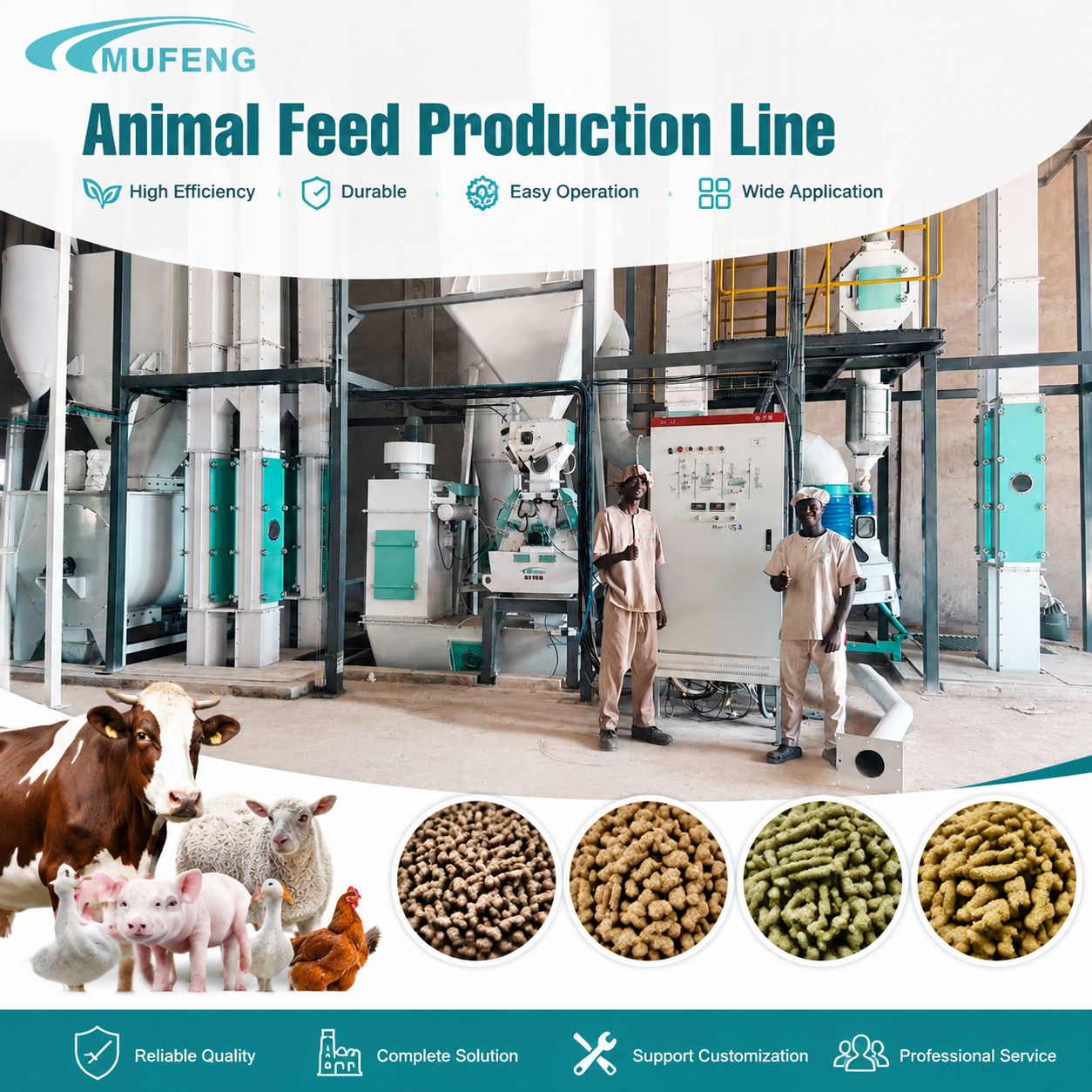
Mixing time, mixer rotation speed, filling degree (fullness rate)Focus: Overloading inputs or shortening mixing time may not look abnormal to the naked eye, but uniformity will quietly collapse.QC inspections should not just wait for uniformity tests; routinely verify operating parameters.
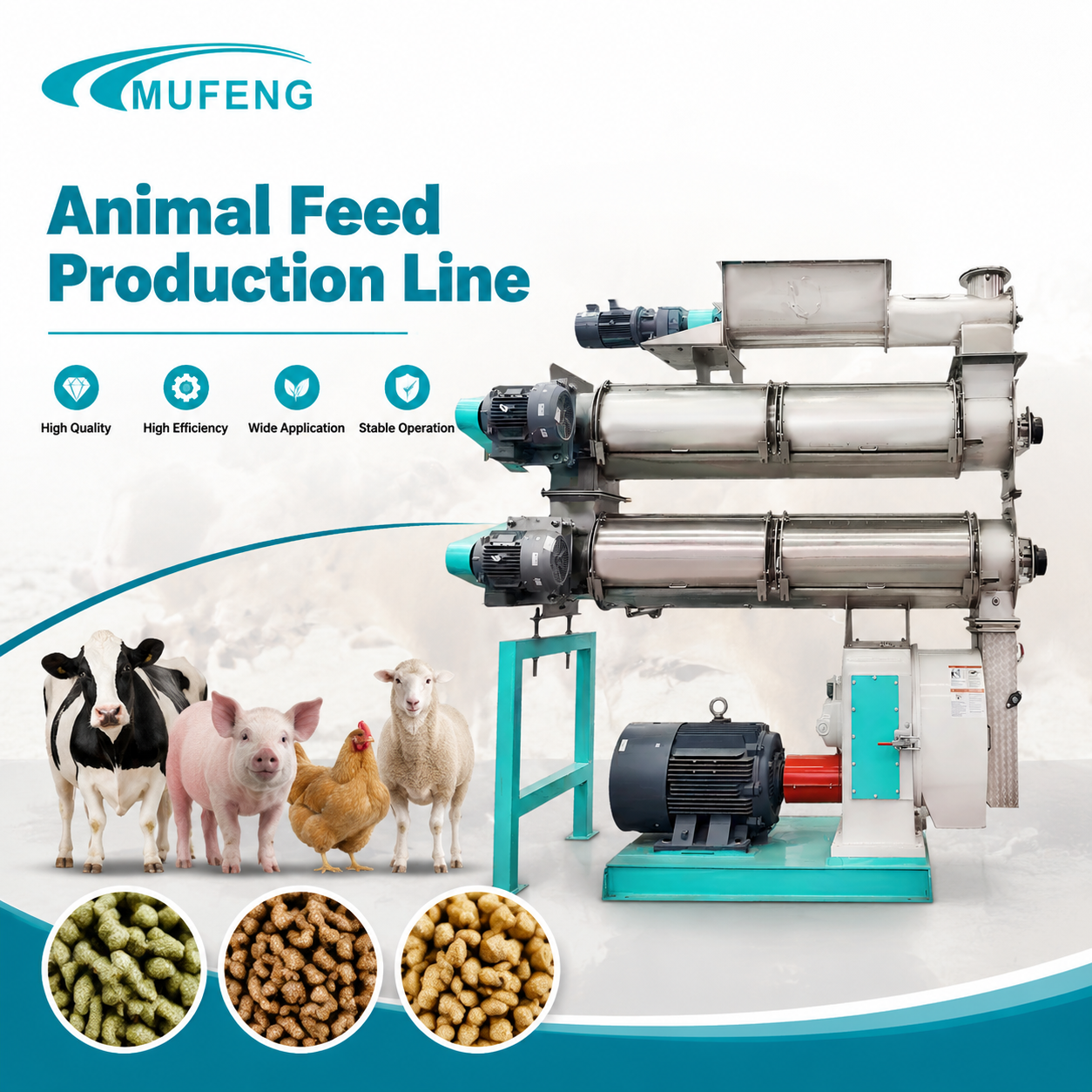
Steam pressure, conditioning temperature, conditioning time, ring die hole diameter, extrusion speedMany operators are used to making small adjustments to steam, with temperatures fluctuating up and down by 3~5℃. Short-term changes might not be visible, but continuous accumulation will trigger rising pulverization rates and insufficient curing degree.⚠️ Reminder: Do not just stare at temperature. If pressure is unstable, the conditioning effect will be poor even if the temperature meets the standard.
Cooling time, cooling fan air volume, material layer thicknessInsufficient cooling means residual heat in the finished product cannot escape. After entering the warehouse, moisture continues to migrate (re-absorb), leading to subsequent mold and caking. When the warehouse assigns blame, the root cause is actually stuck in the cooling process.
Screen mesh specifications, equipment amplitude, feed flow rateMaterial leakage (bypass), mixing of coarse and fine materials, and fluctuations in finished product indicators are mostly related to abnormal screening operating parameters.
3.How to implement QC effectively: It’s not just about looking at parameters on paper
Define standard ranges for each process, establish Production SOPs, and distinguish between normal ranges and warning red lines. Once parameters continuously touch the red line, directly determine that there is a process risk, and record it for evidence.
During on-site patrols, habitually cross-reference with the central control screen and record abnormal fluctuations. Do not wait until finished product testing fails to look back and analyze.
If you discover an operator arbitrarily changing process parameters, communicate gently but immediately, and report it in writing or in a group chat simultaneously.This avoids the other party denying they adjusted the equipment when quality issues arise later.
When parameters fluctuate, immediately synchronize observation of material status: powder moisture, pellet hardness, appearance color. Sensory + data mutually confirming each other makes your judgment more persuasive.
Lab capability is the admission ticket for QC; understanding the process and production logic is the pass for promotion and advancement.If you only sit and wait for lab reports, you will forever be the “scapegoat” for quality problems;Only by thoroughly mastering the process parameters of the entire production line can you become a “preventer” who pre-positions risks.Both are QC personnel. Some are exhausted from arguing and passively fighting fires all year round; others predict risks in advance, and waste continuously declines. The gap often lies right here.