
Analysis of the Working Principle of Feed Extruder Feed Machinery and Processing

DATE : Jul 8th, 2026
Read :413
  • Working Principle of Feed Extruder


The feed extruder processes feed with high moisture content through high-temperature and high-pressure physical reactions to meet animals’ nutritional needs and enhance feed utilization efficiency. The working principle primarily consists of the following three steps:
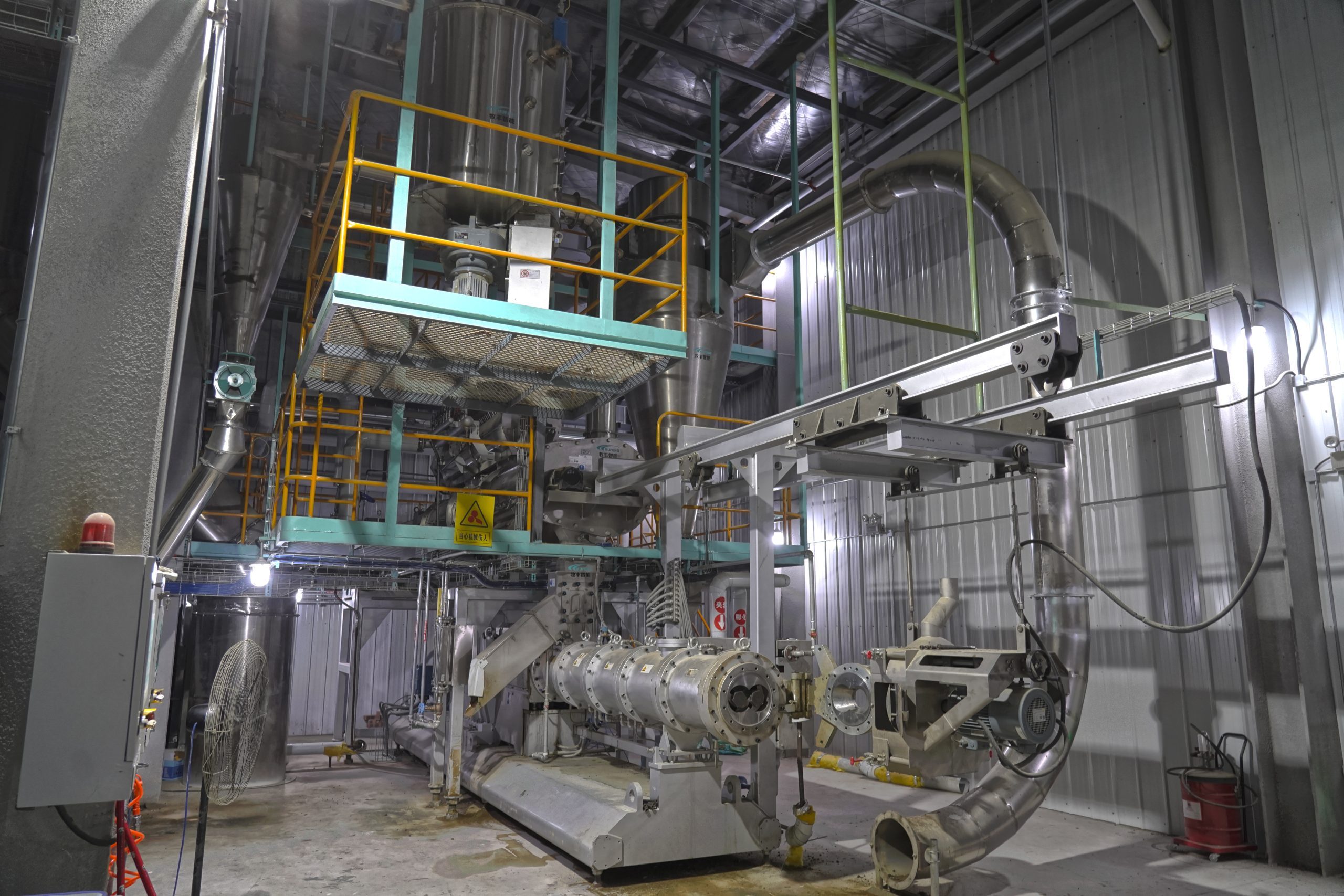
1.Pressure Increase

The feed extruder conveys high-moisture feed into the extrusion chamber, where a screw propeller subjects it to high pressure. Inside the chamber, the moisture in the feed gradually evaporates, its volume expands, and pressure builds up. Once the pressure reaches a specific threshold, the feed is forced through the die holes.


2.Extrusion Process

As the feed passes through the die holes, it encounters extremely high temperatures and pressure. Under these conditions, internal moisture and oils rapidly expand, triggering intense physical reactions. Through this process, nutrients such as starch and proteins are released and thoroughly blended, resulting in a more digestible form.
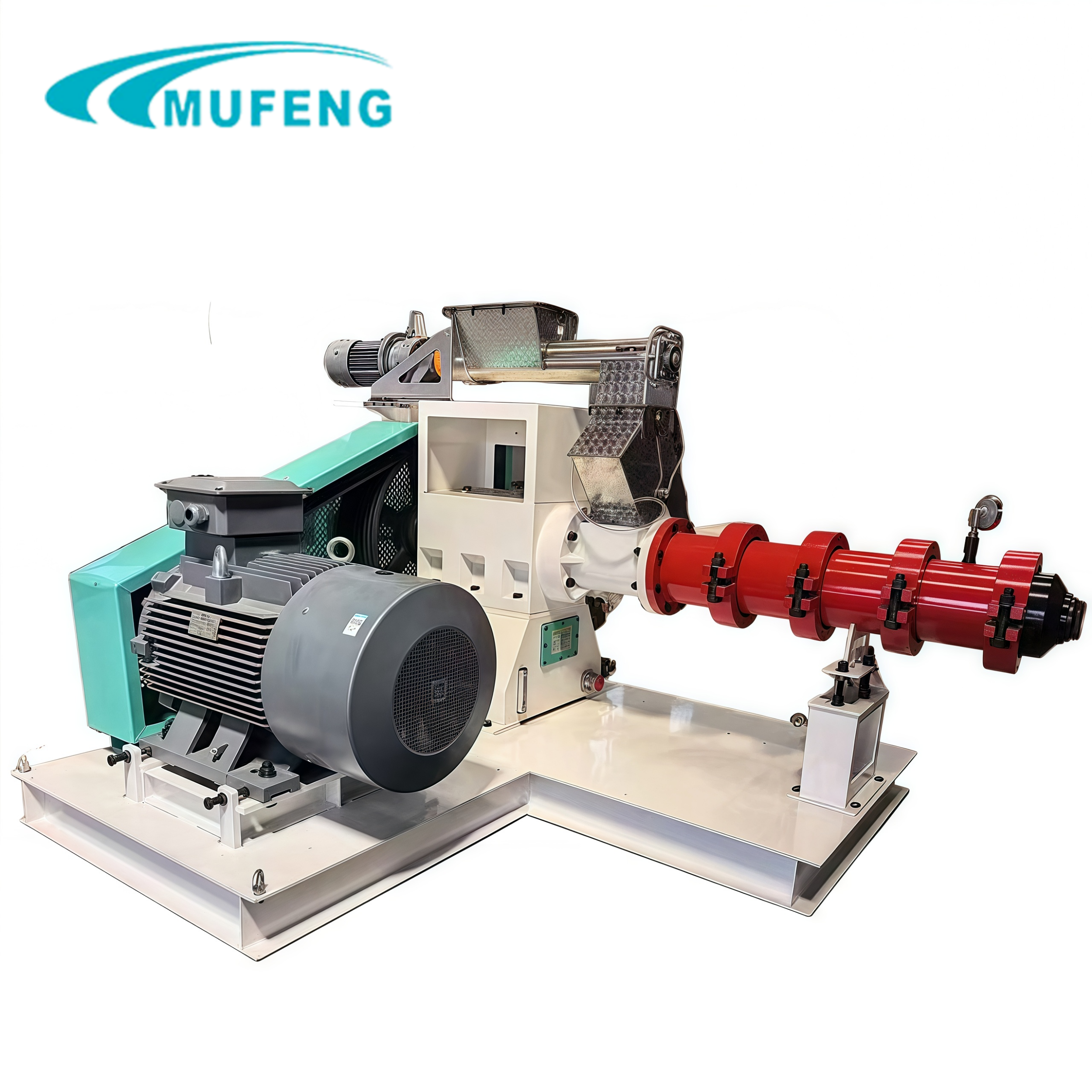
3.Pressure Reduction and Cooling

After extrusion, the feed enters a pressure reduction chamber, where the pressure drops rapidly. It is then cooled via a sprayer, which reduces its volume, stabilizes its structure, and allows additional moisture to evaporate.


  • Extrusion Process of Feed Extruder


The extrusion process of a feed extruder involves the rapid expansion of feed under high temperature and pressure to release its internal beneficial nutrients. Specific steps include:
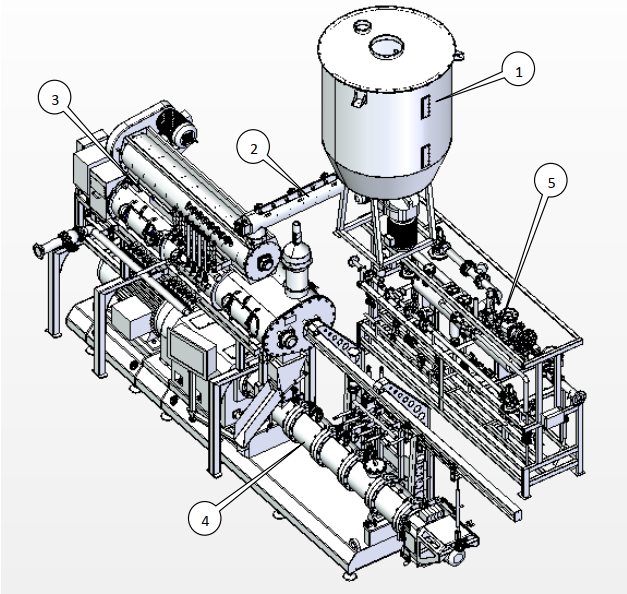
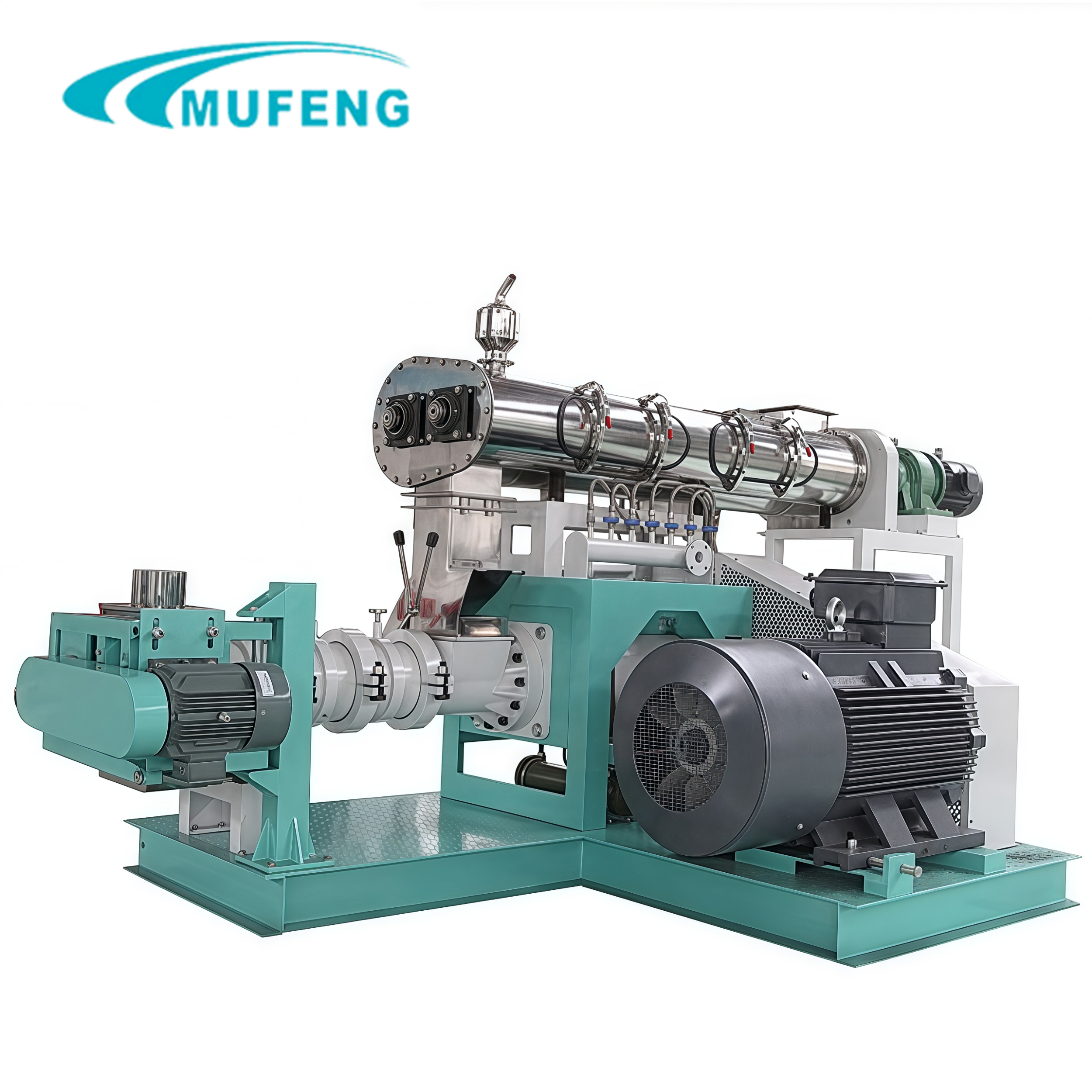
  • Feed is loaded into the extrusion chamber and pressurized by a screw propeller.


  • Pressure gradually increases, steam is released, and the feed volume expands.


  • The feed enters the die holes, where high temperature and pressure cause rapid expansion of internal moisture and oils, leading to intense physical reactions.


  • During this stage, nutrients such as starch and proteins are released, forming a more easily digestible state.


  • After extrusion, the feed moves into the pressure reduction chamber, where pressure decreases and additional moisture is released. Simultaneously, a cooler reduces the feed volume and stabilizes its form.

  • Applicable Scope of Feed Extruder


Feed extruders are suitable for processing various types of feed, particularly pellet feed, viscous feed, household waste, rice straw, wood chips, and similar raw materials, demonstrating broad applicability. Extruded feed offers advantages such as a loose texture, easy digestibility, and good palatability, making it widely adopted.


In summary, the working principle of a feed extruder primarily involves inducing physical changes in feed through high temperature and pressure to release nutrients, thereby improving feed utilization efficiency. With its extensive range of applications, the feed extruder is an essential piece of equipment in modern feed processing.


Phone:+86 130 7377 0763

Email: enquiry@mufengzhineng.com

Official website: www.mufengzhineng.com


Share:
Related News
Bangladesh Feed Mill Customer Visits Our Factory to Explore Capacity Expansion Solutions
2026-01-14
A feed mill customer from Bangladesh visited our factory to explore feed production line expansion solutions. The visit covered key feed machinery, including grinding, mixing, pelleting, extrusion, vacuum coating, and automation systems, as well as a tour of the largest fish feed factory in Henan Province built by our company.
China-Africa “Belt and Road” Cooperation Writes New Chapter: African Delegation Visits Benchmark Feed Project by Mufeng Intelligence
2026-06-01
June 1, 2026, Henan, China — A delegation of government officials and livestock industry entrepreneurs and technical experts from multiple African countries, operating within the framework of the "Belt and Road" initiative, arrived in Henan Province today. Their visit focused on a benchmark project designed, built, and delivered by Henan Mufeng Intelligent Equipment Co., Ltd.: the Henan Dade Fish Feed Production Base. With its impressive capacity of 80 tons per hour, fully automated intelligent control system, and comprehensive "turnkey project" solution, this facility stands as a vivid testament to China-Africa cooperation in modern livestock feed production capacity and technology transfer.
How to Systematically Identify Potential “Nodes” for Root Cause Analysis When Facing Market Complaints About Excessive Pellet Powder?
2026-08-25
To systematically address market complaints regarding excessive pellet powder, a process analysis is essential, focusing on ten key nodes: the pellet mill observation port, pellet mill discharge port, rotary grading screen inlet, finished product bin inlet, pelleting floor screen inlet, packing port, palletizing area, loading area, customer storage area, and animal feeding end feed trough. By observing these specific points, operators can diagnose root causes ranging from upstream issues like pulverization particle size, mixing uniformity, and steam conditioning to downstream factors such as equipment wear, screening capacity, buffer settings, and handling procedures. This comprehensive inspection allows for the identification of interactions between variables—such as improper die compression, cooling inefficiencies, or physical impact during transport—enabling targeted adjustments to equipment parameters, operational workflows, and maintenance schedules to effectively reduce powder generation throughout the entire production and supply chain.
Get A Free Quote

    *

    *

    Production Line

    Production Capacity

    *Messages

    x