
Today, a customer from Bangladesh, who operates a local feed manufacturing plant, visited our factory to evaluate feed production line solutions for capacity expansion and process optimization. As the feed industry in Bangladesh continues to grow rapidly, the customer aims to upgrade existing production capacity while improving product quality and automation levels.
During the factory visit, our technical and sales teams provided a comprehensive introduction to our complete feed production line equipment, focusing on equipment selection, production capacity matching, energy efficiency, and long-term operational stability.
The customer carefully inspected and discussed the following key machines:
Hammer Mill – for efficient raw material grinding with stable particle size control
Ribbon Mixer – suitable for flexible formula mixing with low investment
Double-Shaft Paddle Mixer – ensuring high mixing uniformity for premixes and compound feeds
Pellet Mill – designed for high output, stable operation, and excellent pellet durability
Counterflow Cooler – improving pellet strength and storage performance
Ultrafine Grinding System – meeting special requirements for aquatic and young animal feed
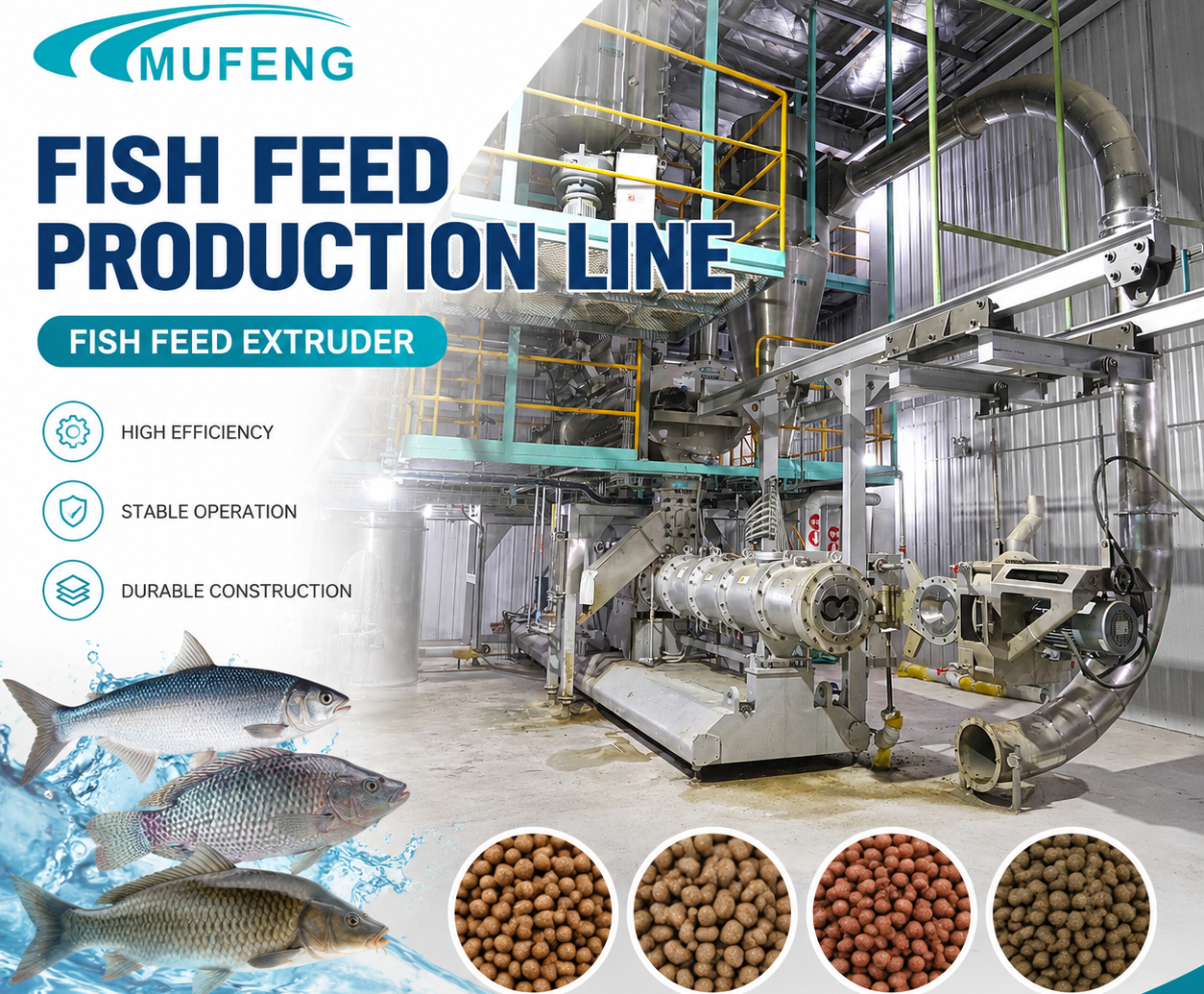
Extruder – for floating and sinking aquatic feed production
Dryer System – ensuring precise moisture control after extrusion
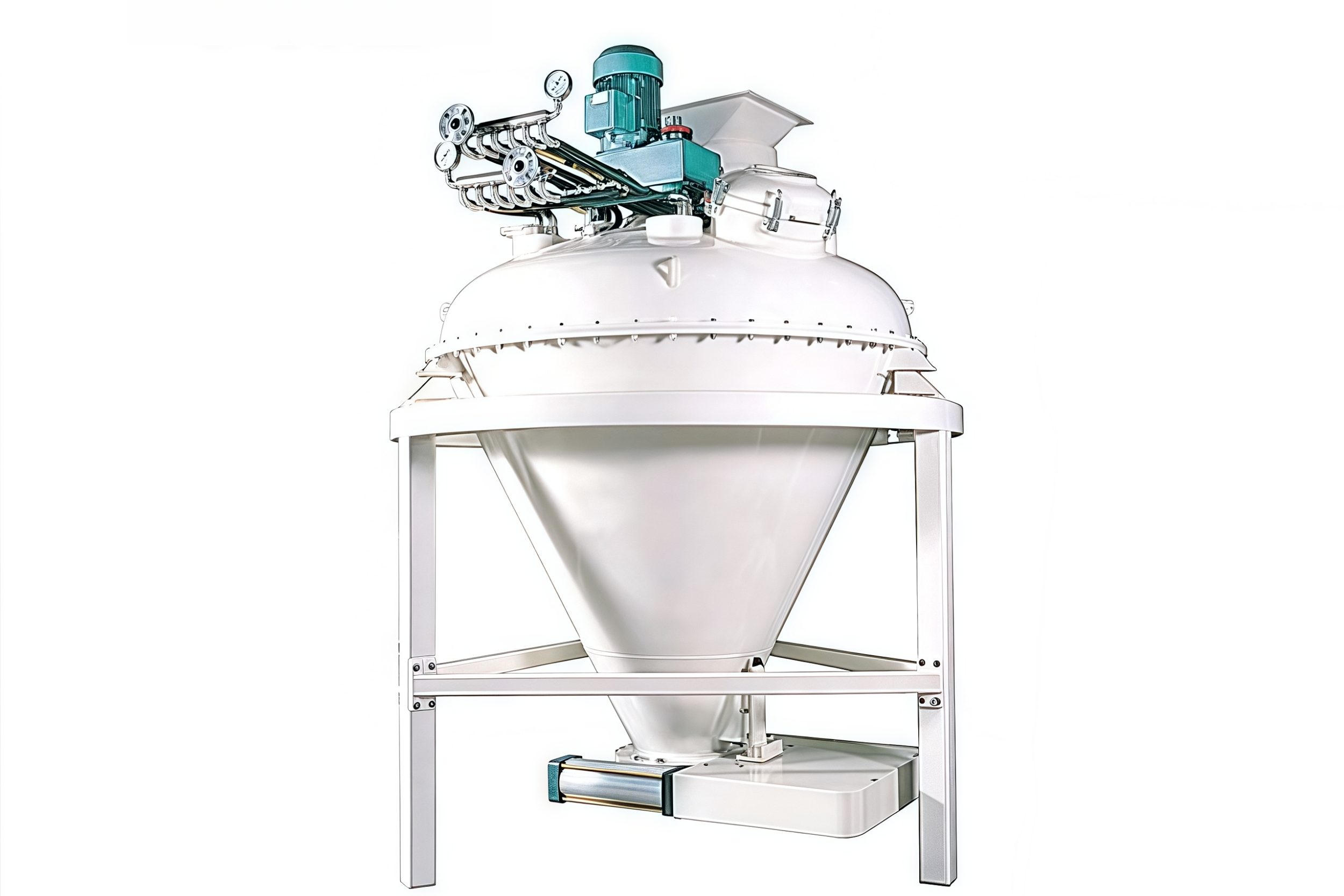
Vacuum Coating Machine – enabling accurate liquid addition such as oil, enzymes, and additives
Packing Scale – providing accurate and efficient final product weighing
Automatic Palletizing System – improving packaging efficiency and reducing labor costs
Our engineers explained how different equipment combinations can be customized for livestock feed production lines, aquatic feed production lines, and special feed formulations, based on raw materials, target capacity, and local operating conditions.
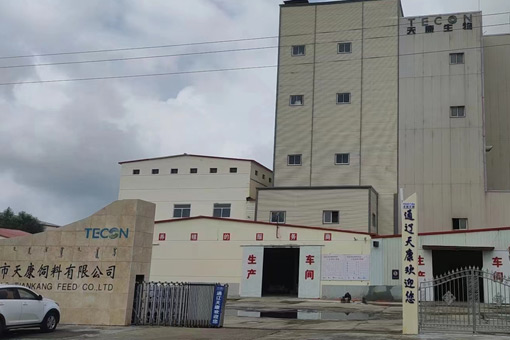
In addition to the equipment inspection, the customer also visited the largest fish feed factory in Henan Province, which was fully designed, supplied, and constructed by our company. This large-scale aquatic feed project demonstrated:
Rational plant layout and smooth material flow
High automation level with reduced labor dependency
Stable long-term operation and consistent product quality
Proven performance of extrusion, drying, cooling, and vacuum coating systems
Through on-site observation and technical discussion, the customer gained a clear understanding of how a modern, high-capacity fish feed production line operates in real production conditions.
The visit strengthened mutual understanding and trust between both parties and laid a solid foundation for future cooperation in feed mill expansion, production line upgrading, and turnkey feed factory projects in the Bangladesh market.