
Analysis of the Working Principle of Feed Extruder Feed Machinery and Processing

DATE : Jul 8th, 2026
Read :300
  • Working Principle of Feed Extruder


The feed extruder processes feed with high moisture content through high-temperature and high-pressure physical reactions to meet animals’ nutritional needs and enhance feed utilization efficiency. The working principle primarily consists of the following three steps:
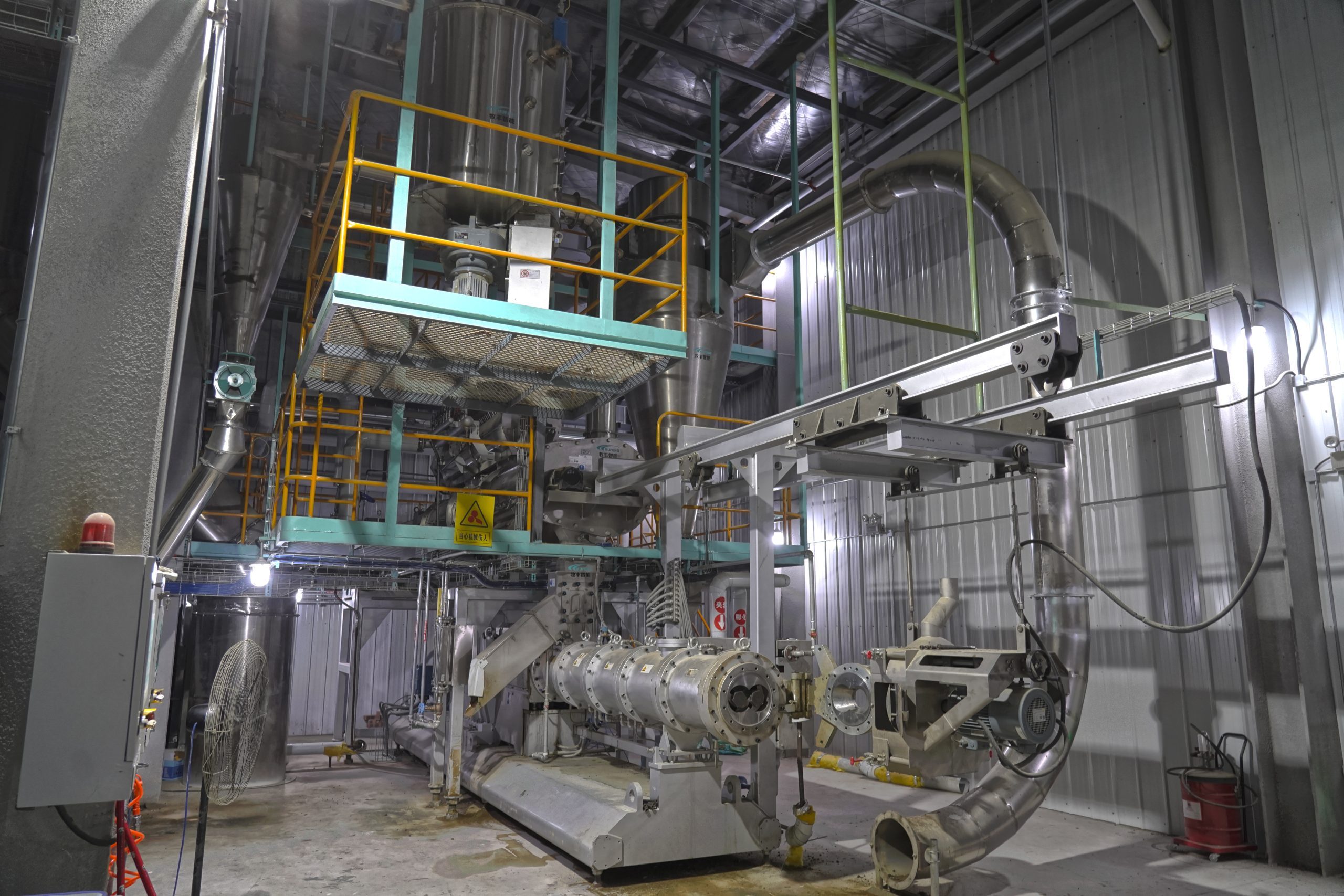
1.Pressure Increase

The feed extruder conveys high-moisture feed into the extrusion chamber, where a screw propeller subjects it to high pressure. Inside the chamber, the moisture in the feed gradually evaporates, its volume expands, and pressure builds up. Once the pressure reaches a specific threshold, the feed is forced through the die holes.


2.Extrusion Process

As the feed passes through the die holes, it encounters extremely high temperatures and pressure. Under these conditions, internal moisture and oils rapidly expand, triggering intense physical reactions. Through this process, nutrients such as starch and proteins are released and thoroughly blended, resulting in a more digestible form.
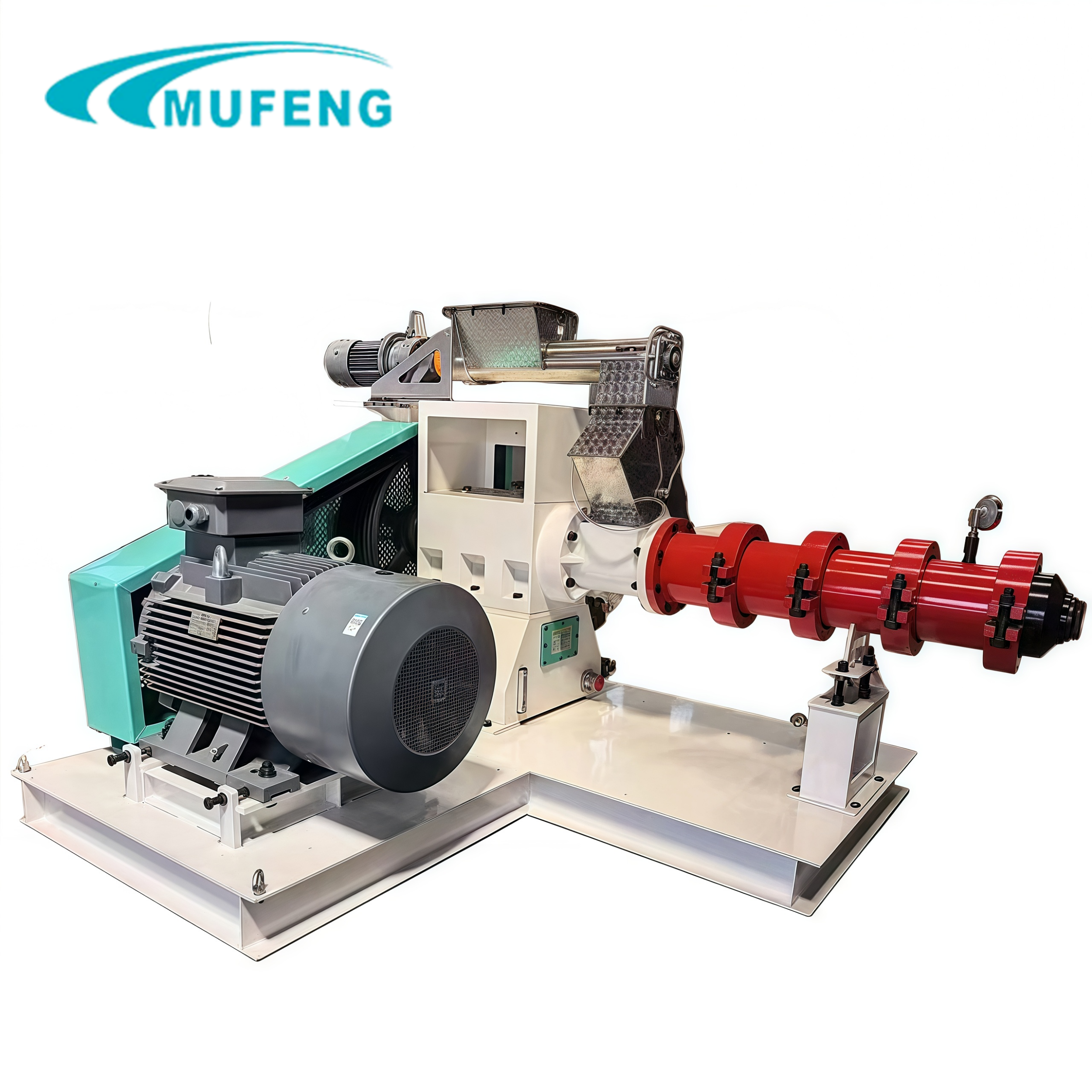
3.Pressure Reduction and Cooling

After extrusion, the feed enters a pressure reduction chamber, where the pressure drops rapidly. It is then cooled via a sprayer, which reduces its volume, stabilizes its structure, and allows additional moisture to evaporate.


  • Extrusion Process of Feed Extruder


The extrusion process of a feed extruder involves the rapid expansion of feed under high temperature and pressure to release its internal beneficial nutrients. Specific steps include:
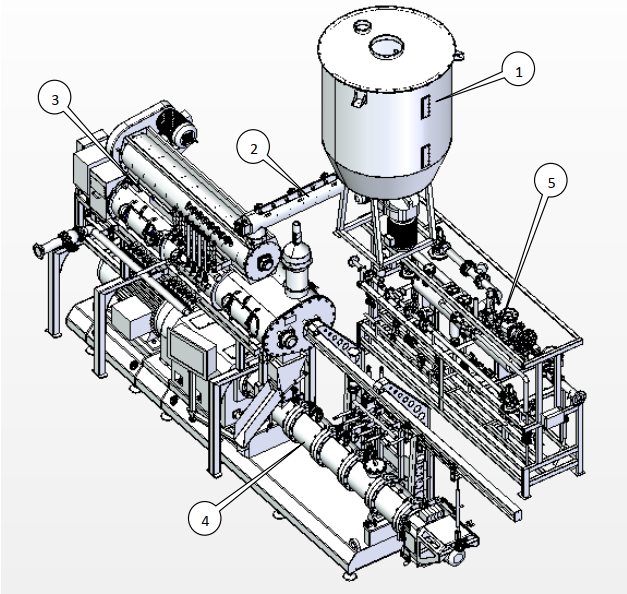
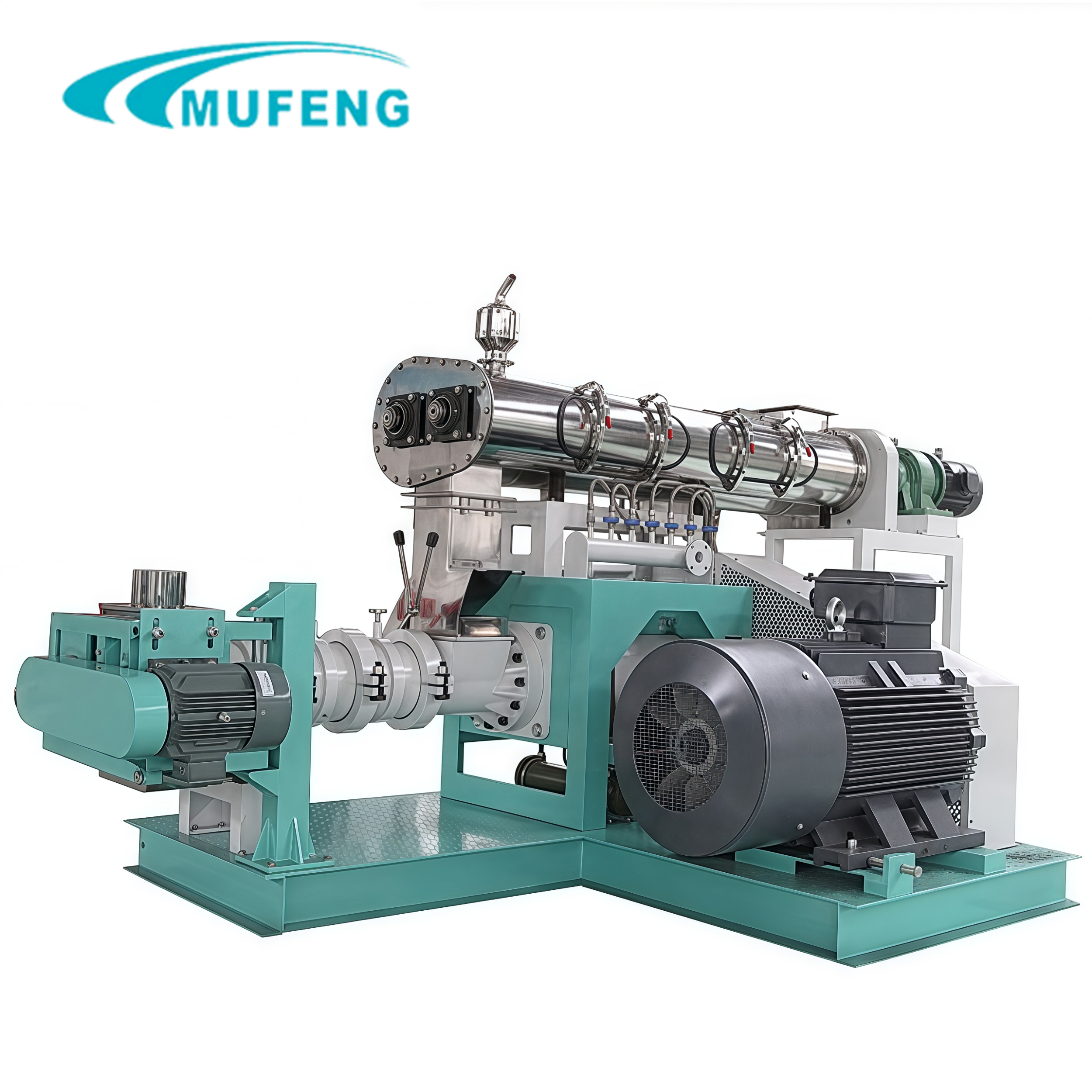
  • Feed is loaded into the extrusion chamber and pressurized by a screw propeller.


  • Pressure gradually increases, steam is released, and the feed volume expands.


  • The feed enters the die holes, where high temperature and pressure cause rapid expansion of internal moisture and oils, leading to intense physical reactions.


  • During this stage, nutrients such as starch and proteins are released, forming a more easily digestible state.


  • After extrusion, the feed moves into the pressure reduction chamber, where pressure decreases and additional moisture is released. Simultaneously, a cooler reduces the feed volume and stabilizes its form.

  • Applicable Scope of Feed Extruder


Feed extruders are suitable for processing various types of feed, particularly pellet feed, viscous feed, household waste, rice straw, wood chips, and similar raw materials, demonstrating broad applicability. Extruded feed offers advantages such as a loose texture, easy digestibility, and good palatability, making it widely adopted.


In summary, the working principle of a feed extruder primarily involves inducing physical changes in feed through high temperature and pressure to release nutrients, thereby improving feed utilization efficiency. With its extensive range of applications, the feed extruder is an essential piece of equipment in modern feed processing.


Phone:+86 130 7377 0763

Email: enquiry@mufengzhineng.com

Official website: www.mufengzhineng.com


Share:
Related News
Mufeng and Georgian Clients Join Hands Again To Create a New Chapter Of Cooperation
2025-09-11
At the just concluded Asia International Intensive Livestock Exhibition, Henan Mufeng Intelligent Equipment Co., Ltd. welcomed a highly anticipated gathering - successfully meeting with a long-standing Georgian customer and successfully finalizing a new round of cooperation. This cooperation is not only a continuation of the deep friendship between the two parties, but also a powerful witness to the excellent quality and strong technical strength of the company's products.
Henan Mufeng’s Two Major Feed Production Lines: Spanning Thousands Of Miles, Helping Upgrade Nigeria’s Feed Industry
2025-08-11
The 10T/H livestock and poultry feed production line and 5T/H floating fish feed production line projects signed by the company last year have not only been successfully shipped recently, but the containers carrying advanced equipment have also arrived at their destination in Nigeria today. As a production plant specializing in animal feed machinery export services, Henan Mufeng Intelligent Equipment Co., Ltd.'s delivery marks another important milestone in the international market.
Extrusion Processing Technical Process: Common Operational Problems of Single-Screw Extruders During Operation
2026-04-15
Causes of Material Backflow to Extruder Feed Inlet Several factors may cause material to backflow into the extruder feed inlet, all of which ultimately stem from a reduction in the extruder's conveying capacity. The specific factors are as follows:a) Feed rate exceeds the maximum throughput capacity of the extruder screwIf the feed rate exceeds the screw’s handling capacity, material will eventually backflow to the extruder feed inlet. For single-screw extruders, theoretically, increasing the screw speed can enhance this throughput. However, the extruder’s transmission components, such as the gearbox, limit a significant increase in screw speed. Before drastically changing the screw speed, the adjustable range should always be verified.b) Excessive steam injectionWhen the steam injection rate is 1-4% of the dry material handling rate, it has no impact on the screw’s conveying capacity. If the injection rate exceeds this range, the injected steam may block material passage through the steam injection zone, leading to backflow to the feed inlet. Reducing the steam injection volume resolves this issue.c) Excessive resistance during extrusion processingHigh resistance is often caused by structural resistance of the screw before the die head or excessively small die plate perforation area. A sudden increase in resistance can be observed through the pressure reading before the die head, which causes over-filling of the extruder barrel and thus backflow. Increasing the die plate opening area solves this problem.d) Wear of screw elements and barrel linerWorn screw elements severely reduce conveying capacity. For example, a bald leading edge of the screw flight increases leakage flow, which raises barrel filling and eventually causes backflow. A worn or partially worn barrel liner also lowers screw conveying capacity, possibly leading to feed section blockage.
Get A Free Quote

    *

    *

    Production Line

    Production Capacity

    *Messages

    x