Abstract: During the stages of first feeding and early domestication for fish larvae, the particle size, water stability, attractability, and nutrient retention status of feed pellets are directly correlated with the continuity of feeding, survival rate, and subsequent growth and development of the fish larvae. Focusing on small-particle-size fish larval feed below 0.3 mm, this paper comprehensively employs methods such as literature review, process comparison, and 0.3 mm-grade cold extrusion molding engineering trials to conduct a comparative study on process routes including intermediate expansion-micronization, low-temperature cold extrusion/micro-extrusion-spheronization, wet agglomeration, and spray drying/micro-encapsulation. The research results indicate that the processing of fish larval feed below 0.3 mm should not simply follow the conventional aquatic feed concept of “reducing particle size.” The technological key lies in the systematic matching of powder fineness, heat treatment intensity, molding method, nutrient leaching characteristics in water, post-spraying/coating processes, and fine screening. Literature data show that micro-pellets prepared via the micro-extrusion marumerization process can achieve a dry matter retention rate of approximately 98% under strong aeration for 5 minutes, significantly higher than the approximately 76% for crumbled feed, while also reducing lipid loss and improving larval growth performance (WANG J, WANG A, FAN H, et al., 2020). Engineering trial results of 0.3 mm-grade low-temperature cold extrusion-shot blasting shaping reveal that with reasonable screw configuration throughout the conveying section, the addition of ambient temperature water, raw materials pulverized to above 150 mesh, and appropriate shot blasting shaping, 0.3 mm die micro-pellets have a forming basis. However, continuous production is constrained by factors such as insufficient powder fineness, liquid filtration effectiveness, die hole blockage, and the connection between continuous discharge and batch spheronization. The spray drying/micro-encapsulation process is more suitable for ultra-early first feed, functional factor embedding, and targeted nutrient delivery, and should not be simply paralleled with conventional pellet molding processes. Based on a comprehensive analysis, the processing of fish larval feed below 0.3 mm should be designed in combination based on the cultured species, feeding stage, customer equipment foundation, and product positioning to construct an engineering technical route of “front-end ultra-fine pulverization – gentle molding – post-processing strengthening – fine classification.”
Keywords: Fish larval feed; Below 0.3 mm; Low-temperature cold extrusion; Micro-extrusion marumerization; Spray drying; Micro-encapsulation; Processing technology
1 Introduction
During the stages of first feeding and early domestication for fish larvae, the digestive system, feeding behavior, and nutritional requirements are in a period of rapid change. At this stage, the fish size is small, and the feeding and digestive capabilities are not yet fully stable. The particle size, density, dissolution rate, palatability, and nutritional activity of the feed pellets all affect the first feeding, continuous feeding, and survival rate of the fish larvae (Cahu & Zambonino-Infante, 2001; Hamre et al., 2013; Langdon, 2003). Compared to adult fish feed or ordinary juvenile feed, fish larval feed below 0.3 mm must not only possess high nutritional density but also maintain appropriate stability in the water body. It must neither cause nutrient leaching and increase the water quality burden due to an overly loose particle structure, nor hinder the initiation of early larval feeding behavior due to overly hard particle texture.
In production practice, a common cognitive bias is to equate fish larval feed below 0.3 mm simply with the “miniaturization of conventional aquatic feed.” However, the reality is quite different. As the feed particle size decreases, the specific surface area increases significantly, which simultaneously exacerbates risks such as oil oxidation, vitamin loss, leaching of attractants, dust generation, and screening rework. Although the curing treatment during processing helps improve starch gelatinization and the digestibility of some proteins, excessive processing temperatures and strong shear forces may lead to the loss of heat-sensitive nutrients and flavor components. Generally speaking, the denser the particle structure, the better the relative water stability; however, if the particle surface is too hard, the settling rate is too fast, or the attractability is insufficient, the actual feeding effect of the fish larvae may be reduced. In summary, the core of processing fish larval feed below 0.3 mm is not simply pursuing “smaller particle size,” but achieving a comprehensive balance between particle size, degree of curing, nutrient retention, water stability, palatability, and adaptability to on-site feeding.
Currently, high-end marine fish larval first feed mostly adopts micro-extrusion marumerization, low-temperature cold extrusion spheronization, and similar micro-particle preparation processes. The core goals are to solve the three key problems of feed particle size uniformity, surface roundness, and water stability. In the process of engineering scale-up, domestic enterprises mostly develop process routes such as intermediate expansion-micronization, secondary molding, and fine classification based on existing expansion, ultra-fine pulverization, post-spraying, and screening equipment to balance product performance and production costs. In addition, spray drying, micro-encapsulation, and wet agglomeration processes also have application potential, especially for the preparation of ultra-early fish larval first feed, functional active component embedding, experimental formula verification, and special species-specific feed development (Langdon, 2003; Yúfera et al., 2003; Yúfera et al., 1999; Mohammed et al., 2020; WO2013078571A1, 2013).
Addressing the above issues, this paper focuses on the processing links of fish larval formulated feed with a particle size below 0.3 mm. It comparatively analyzes the differences of different processing technologies in terms of working principle, core control parameters, product stability, nutrient retention effects, and engineering adaptability. Combined with the engineering trials of the 0.3 mm-grade low-temperature cold extrusion-shot blasting shaping process, it discusses the actual control points in the production process of micro-particle fish larval feed with a particle size of 0.3 mm and below. It should be noted that the “cold expansion” mentioned in this paper has process characteristics in engineering practice that are closer to low-temperature cold extrusion molding, distinct from the traditional high-temperature and high-pressure expansion process; to avoid conceptual confusion, the subsequent text uniformly uses the term “low-temperature cold extrusion/cold extrusion-spheronization.”
Domestic research on fish larval micro-particle feed and micro-encapsulated feed mainly focuses on particle size control, water stability, attractability, live feed replacement, and larval and juvenile fish domestication and cultivation. Zhu Qingguo (2018) evaluated the particle size and water stability of micro-encapsulated feed for large yellow croaker larvae, proposing that micro-encapsulated feed in fish larval production should balance particle size palatability, water absorption, suspension, and settling speed to facilitate larval feeding and reduce the rapid loss of nutrients in the feed core. Lian Zongqiang et al. (2020) conducted domestication cultivation trials using special micro-encapsulated feed for Lanzhou catfish juveniles, indicating that micro-encapsulated feed has certain application value in larval and juvenile fish domestication transition and artificial formulated feed replacement. Chen Siqing et al. (2004) earlier conducted research on using micro-film micro-particle feed to cultivate shrimp larvae, showing that micro-particle feed has a practical foundation in the seedling cultivation stage. The above studies indicate that the development of fish larval feed below 0.3 mm cannot focus only on particle refinement but must also pay attention to water stability, slow-settling performance, feeding acceptance, and nutrient retention effects.
1.1 Current Research Status at Home and Abroad
Existing studies have pointed out that the difficulty of using formulated feed to replace live biological feed during the development stage of marine fish larvae lies not only in the nutritional composition of the feed but also in the digestive physiological characteristics and early feeding ability of the larvae (Cahu & Zambonino-Infante, 2001). Hamre et al. (2013) further summarized the knowledge gaps in fish larval nutritional requirements, live feed nutritional value, and the development of formulated micro-feeds, clearly stating that fish larval feed research should not only focus on raw material formula optimization but also incorporate nutrient delivery efficiency, nutrient digestion and absorption, and feeding systems into the research scope. Langdon’s (2003) review study on fish larval micro-particle feed proposed that water-soluble nutrients are prone to rapid leaching in the aquaculture water body, which not only reduces the nutritional utilization rate of the feed but also causes pollution of the larval rearing water. Therefore, the nutrient retention characteristics and nutrient leaching laws of different types of micro-particle feeds should be used as core indicators for the quality evaluation of micro-particle feeds.
From the perspective of manufacturing processes, the micro-extrusion marumerization process is highly representative in terms of water stability and nutrient retention. Wang et al. (2020) compared the effects of traditional crumbled feed and micro-extrusion marumerized micro-particle feed on large yellow croaker larvae. The results showed that under strong aeration for 5 min, the dry matter retention rate of micro-extrusion marumerized micro-particles was about 98%, while that of traditional crumbled feed was about 76%; the lipid loss of traditional crumbled feed was about 40%, whereas the micro-extrusion marumerized particle structure and nutrient retention were more stable, and better larval dry weight growth performance was achieved in a 24 d feeding trial. The above results indicate that the evaluation of fish larval feed below 0.3 mm cannot look only at “whether it can form,” but must also focus on nutrient retention capabilities under conditions of strong aeration, high-frequency feeding, and short-term exposure.
Research on spray drying and micro-encapsulation technologies focuses more on the preparation of ultra-small particle size products and the delivery of functional active ingredients. Yúfera et al. (1999; 2003) studied protein-walled micro-encapsulated feed and functional substance delivery, pointing out that micro-encapsulation has special significance for nutrient protection, release control, and early fish larval feeding. Spray drying itself is not a conventional particle molding process but involves atomizing an emulsion or suspension followed by rapid dehydration to form a powder or micro-encapsulated particle. It is suitable for the embedding of fat-soluble nutrients, attractants, and water-soluble functional factors. Relevant literature and process data usually use inlet air temperature, outlet air temperature, feed rate, atomization pressure, solid content, powder collection rate, and final moisture as control indicators (Mohammed et al., 2020; WO2013078571A1, 2013).
2 Product Characteristics and Process Requirements for Fish Larval Feed Below 0.3 mm
2.1 Nutrition and Formula Characteristics
The larval and juvenile stage is characterized by rapid growth, and the requirements for protein, lipids, and functional nutrients are significantly higher than in later developmental stages. Formulas usually need to increase the proportion of easily digestible raw materials such as high-quality fish meal, shrimp meal, squid meal, fish protein hydrolysates, small molecule peptides, and lecithin, while ensuring the effective supply of DHA, EPA, phospholipids, cholesterol, vitamins, and trace elements (Cahu & Zambonino-Infante, 2001; Hamre et al., 2013). Therefore, in formula design, fish larval feed below 0.3 mm places more emphasis on nutritional density, digestibility, and attractability rather than simply pursuing the lowest raw material cost.
Compared to large particle size feed, fish larval first feed with a particle size below 0.3 mm has a smaller size and larger specific surface area, making the oils and feeding active components in the feed more prone to exposure to air and water bodies. If the parameter control in the front-end pulverization, mixing, molding processes, and post-treatment processes during feed production does not meet process requirements, it is more likely to trigger a series of quality issues such as fat oxidation, leaching of active nutritional components, rough particle surfaces, excessive proportion of fine powder, and amplified quality differences between product batches.
2.2 Powder Fineness and Physical Structure Requirements
From the perspective of physical characteristics, fish larval feed below 0.3 mm has significantly higher requirements for front-end powder fineness. Generally speaking, the D90 of the base powder should be controlled below 100 μm, and the main powder for boundary products of 0.3 mm should be stably controlled to pass more than 150 mesh; if it is necessary to increase the output proportion of finished products <0.3 mm, the pulverization fineness needs to be raised to the 200 mesh level. Tests using a 0.3 mm die show that when the 150-mesh screening rate is only about 48.75%, there are still limitations on the discharge fluidity and die hole passability of the 0.3 mm die, suggesting that powder fineness is a prerequisite for whether products below 0.3 mm can be produced stably.
Pulverization is not optimal the finer it is. Excessive pulverization can bring about problems such as temperature rise, oil precipitation, increased dust, and reduced fluidity, and will also significantly reduce the operational stability of mixing, feeding, and molding processes. A more reasonable process strategy is to simultaneously control the particle size distribution, powder temperature rise, and oil external leakage during the pulverization stage. If necessary, use classified pulverization, low-temperature pulverization, air classification, or secondary screening processes to ensure the powder meets the molding requirements below 0.3 mm while maintaining good fluidity and processability.
2.3 Key Evaluation Indicators
The evaluation indicators for fish larval feed below 0.3 mm should cover both the processing stage and the farming end. The processing stage needs to pay attention to particle size distribution, finished product rate, return powder rate, die blockage rate, final moisture, batch stability, and continuous production stability; the farming end should pay attention to feeding initiation, water stability, dry matter retention rate, lipid retention rate, nutrient leaching, settling/suspension characteristics, and the impact on aquaculture water quality. Combining literature data and engineering trial experience, it is recommended to establish the following evaluation system.
Table 1 Recommendations for Key Evaluation Indicators for Fish Larval Feed Below 0.3 mm
3 Main Processing Technologies and Key Control Points for Fish Larval Feed Below 0.3 mm
3.1 Universal Pre-treatment: Ultra-fine Pulverization, Mixing, and Conditioning/Humidity Control
Although different main processing technologies have significant differences, the pre-treatment stages have commonalities, mainly including ultra-fine pulverization, uniform mixing, liquid addition, and appropriate conditioning or humidity control. Fish meal, grain meal, functional powders, and mineral premixes usually require classified pulverization and batch mixing. For fish larval feed below 0.3 mm, the goal of ultra-fine pulverization is not simply to pursue extreme fineness, but to require concentrated particle size, controllable temperature rise, and no significant oil precipitation. In actual production, vertical ultra-fine pulverizers, air classifiers, or mechanical impact mills can be used to stably control the main material powder above 150 mesh, and further optimize according to the target particle size and die hole conditions.
The mixing stage should focus on mixing uniformity and liquid addition uniformity. If the intermediate expansion-micronization route is adopted subsequently, excessive front-end liquid addition can easily cause fluctuations in expansion conditions; if the low-temperature cold extrusion or wet agglomeration route is adopted, the powder moisture content, binder phase, and plastic state will directly affect the continuity of discharging and the spheronization effect; if the spray drying route is adopted, the viscosity, solid content, emulsion stability, and atomization state of the slurry or emulsion will become core control parameters.
The conditioning or humidity control stage mainly assumes the roles of water addition, temperature rise, improving plasticity, and forming an initial bonding structure. The intermediate expansion route can control conditioning moisture in a higher range according to the formula to establish a curing foundation; the low-temperature cold extrusion route should avoid high shear and high temperature rise, focusing on ensuring humidity uniformity and low-temperature discharge; the wet agglomeration and spray drying routes should be controlled around the rheology of the slurry or wet agglomerates.
3.2 Intermediate Expansion-Micronization-Remolding/Sieving Route
Intermediate expansion is a relatively common engineering route adopted by domestic enterprises for developing fish larval feed and high-end aquatic feed. This process does not directly obtain the final product below 0.3 mm through expansion; instead, it first utilizes the expansion process to improve the degree of curing, tissue structure, and digestibility of some raw materials or intermediate materials. Subsequently, the final fish larval feed is obtained through steps such as drying, cooling, ultra-fine pulverization, secondary batching, micro-pelletizing, or screening. For formulas requiring a high degree of starch gelatinization and a good curing foundation, intermediate expansion is equivalent to completing the raw material pre-treatment first, and then handing it over to the subsequent process to complete particle size control.
The typical process can be summarized as: raw material pre-mixing, conditioning, intermediate expansion, drying and cooling, ultra-fine pulverization, secondary mixing, post-curing or micro-pelletizing, screening and grading, spray coating, and packaging. If intermediate expansion is performed using high-starch binding base materials and some high-protein components, it can usually improve the degree of structuring of the base material, providing a foundation for subsequent molding and water resistance.
From the perspective of key parameters, intermediate expansion usually focuses on screw speed, barrel zone temperature, material moisture content, and die pressure. If the expansion intensity is insufficient, the curing foundation is inadequate, and the structural function of the subsequent powder is not obvious; if the expansion is excessive, energy consumption increases, and lipid oxidation, darkening of color, and loss of flavor may occur. For fish larval feed below 0.3 mm, the difficulty of the intermediate expansion route lies not in the expansion itself, but in whether the post-expansion micronization, secondary batching, post-spraying, and fine screening can be stably connected.
The main advantages of this route are: firstly, it can increase the starch gelatinization rate and the degree of curing of some proteins, improving digestibility and the basic structure of the particles; secondly, it is compatible with existing expansion production lines, making engineering scale-up relatively easy; thirdly, for enterprises equipped with mature pulverization, screening, and spraying conditions, it is quite suitable for forming a large-scale production window. Its shortcomings include a longer process chain, a higher risk of loss for heat-sensitive components, and a potential increase in the proportion of fine powder and screening losses after secondary pulverization. If used for products <0.3 mm, the product effect should be confirmed through target particle size screening, post-spraying supplementation, and small-scale farming verification.
3.3 Low-Temperature Cold Extrusion/Micro-Extraction-Spheronization Process
Low-temperature cold extrusion or micro-extrusion-spheronization is the most representative production process route for high-end larval and juvenile fish feed. The core principle of this process is to complete the extrusion processing under low-temperature or relatively mild conditions, first preparing strip-shaped semi-finished products, and then obtaining micro-particle feed with uniform particle size and round surfaces through spheronization, shot blasting, or rounding and sizing processes. Existing research usually refers to this technology as the micro-extrusion marumerization (MEM) process or similar preparation processes (Wang et al., 2020; Barrows & Lellis, 2006).
The advantages of this preparation route are mainly reflected in two aspects. Firstly, low-temperature extrusion can reduce high thermal load, which is beneficial for retaining heat-sensitive nutrients and flavor components; secondly, the spheronization treatment can improve the roundness and surface density of the particles. While ensuring product palatability, it can effectively improve their stability in water. Research results by Wang et al. (2020) indicate that micro-particles prepared via the micro-extrusion marumerization process can significantly increase the retention rates of dry matter and lipids under strong aeration conditions, while also improving the growth and weight gain performance of large yellow croaker larvae.
This process is typically suitable for products with high requirements for particle size precision and finished product uniformity. Typical application scenarios include compound feed for high-value marine fish larvae such as sea bass, sea bream, large yellow croaker, and groupers during the first feeding to domestication stages. The limitation of this process lies in the high equipment investment cost, stringent requirements for controlling molds, spheronization discs, drying processes, and screening precision, as well as high requirements for raw material powder fluidity, pre-treatment quality, and production maintenance levels. For products with a particle size below 0.3 mm, the core technical point of this process route is not a single extrusion device, but the systematic matching of units including “ultra-fine pulverization – low-temperature humidification – low-shear discharge – spheronization and sizing – low-temperature drying – fine screening.”
3.3.1 Engineering Trial of 0.3 mm-Grade Low-Temperature Cold Extrusion-Shot Blasting Shaping
To verify the feasibility of the low-temperature cold extrusion process in the production of 0.3 mm-grade fish larval feed, molding trials were conducted around a specific fish larval feed project. Relying on an aquatic feed equipment testing platform, the trials examined links including ultra-fine pulverization, low-temperature conditioning, low-temperature discharge, shot blasting shaping, and screening and grading. The goal was to observe whether micro-particles of the 0.3 mm boundary particle size could be stably molded, providing a parameter basis for the subsequent development of products <0.3 mm. This trial is not equivalent to a complete farming verification but has direct reference value for low-temperature discharge, micro-particle shaping, and continuous production connection.
A total of two formula groups were set up for this trial, with a raw material mass of 800 kg for each group. The raw materials first underwent two rounds of pulverization using a 0.3 mm mesh screen, followed by 100-mesh and 150-mesh classification screening via a horizontal air-flow screen before being fed into the trial system. During the liquid component addition stage, fish oil and soybean lecithin were pre-placed in a simple oil addition device. Heat preservation treatment was applied to improve their flow characteristics, ensuring that the liquid components could still be added uniformly under low-temperature environments. The equipment used in this trial covered a horizontal air-flow screen, extruder, single-shaft conditioner, twin-shaft differential speed conditioner, anti-bridge feeding bin, feeding screw, shot blasting machine, product screen, and supporting iron removal and dust removal devices. The trial results indicated that under the condition of adding ambient temperature water, the extrusion discharge temperature could be stably controlled at around 30°C, basically meeting the process requirements of this trial for low-temperature, low-shear processing, and nutrient retention.
Regarding the die hole diameter parameters, this trial investigated the discharge effects and shot blasting shaping effects under hole diameter conditions of 1.0 mm, 0.7 mm, 0.6 mm, 0.5 mm, and 0.3 mm, respectively. When the pulverization fineness was 100 mesh, the material was prone to forming cylindrical semi-finished products with uneven dimensions. After shot blasting treatment, the proportion of scattered and broken material was relatively high, and the stability of the spheronization molding effect was poor. After the pulverization fineness was increased to 150 mesh, by adjusting the conditioning water addition amount, shot blasting time, system air speed, and turntable rotation speed, dies with hole diameters of 0.7 mm, 0.5 mm, and 0.3 mm could all produce spherical finished products with good characteristics. Among them, the 0.3 mm die, under the conditions of ambient temperature water conditioning, screw conveying throughout the full conveying section, and adapted shot blasting process parameters, could produce micro-particle products with relatively ideal characteristics. This result indicates that the low-temperature cold extrusion-shot blasting integrated molding process route possesses a research foundation for conducting further engineering verification.
Table 2 Key Parameters and Results of the 0.3 mm-Grade Low-Temperature Cold Extrusion Engineering Trial
Based on the process parameter optimization results, it can be concluded that using ambient temperature water below 30°C during the water addition stage is the optimal condition; when the processing output is 250~260 kg/h, the appropriate conditioning water addition is 110~120 kg/h; the discharge temperature should be controlled below 35°C; and the material pulverization fineness should be no less than 150 mesh. When the shot blasting machine fan motor frequency is controlled at 20~22 Hz, the turntable motor frequency at 50~55 Hz, the turntable speed maintained at 980~1080 r/min, and the shot blasting time set at 40~45 s, the finished product can achieve relatively superior roundness.
The trial also exposed limiting factors in the continuous production of 0.3 mm and below products, among which pulverization fineness is the most critical. It is difficult for conventional pulverization equipment to stably achieve a fineness above 150 mesh. In this trial, after the raw materials were pulverized twice through a 0.3 mm screen and re-screened, the 150-mesh passing rate was only about 48.75%. For products of 0.3 mm and below, the discharge fluidity under 150-mesh fineness remains insufficient, and the die hole blockage rate is relatively high. Therefore, if continuous production is conducted using 0.3 mm and below dies, the raw material pulverization fineness should be increased to the 200-mesh level; liquid raw materials such as fish oil and soybean lecithin should also be filtered through a 150-mesh or finer screen before addition to reduce the risk of die blockage.
From the perspective of capacity design, if the target finished product output is 0.5 t/h, considering that the trial finished product screening rate is about 80%, the finished product moisture content is about 8%, and the appropriate moisture content at the extruder outlet is about 40%, the converted extruder outlet output needs to reach approximately 0.958 t/h. To ensure production stability and meet customer demands, the extruder outlet output under 0.3 mm die conditions should be designed for no less than 1 t/h; if further pursuing finished products <0.3 mm, it is also necessary to reserve a higher proportion for screening return material and secondary reshaping capabilities.
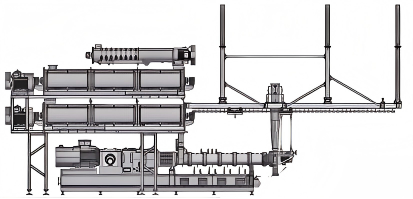
Figure 3 Schematic of Compatible Process Configuration for Low-Temperature Cold Extrusion and Conventional Thermal Expansion
To meet different product requirements and improve equipment utilization, the subsequent process design can adopt a double-layer conditioning structure: a twin-shaft differential speed conditioner is configured in the upper layer, and a conventional single-layer conditioner is configured in the lower layer. Two discharge outlets are set up in the lower conditioner to connect to the expansion chamber respectively. When material enters the expansion chamber from the feed inlet farther from the finishing die, it can be used for conventional thermal expansion production; when material enters the expansion chamber from the feed inlet closer to the finishing die, it can be used for low-temperature cold extrusion production. This structure facilitates balancing both conventional expanded products and 0.3 mm-grade fish larval feed low-temperature cold extrusion products on the same production line.
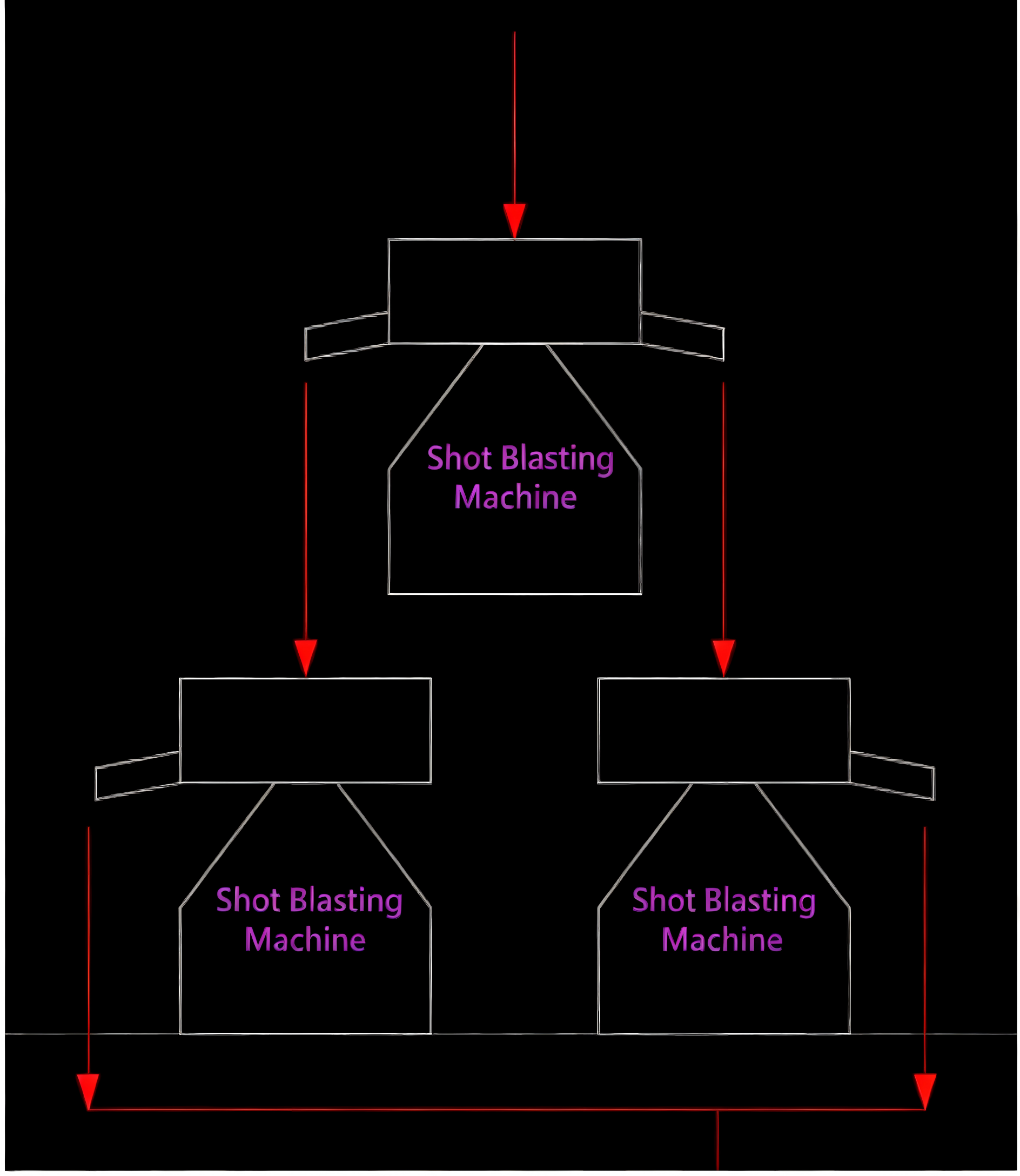
Figure 4 Schematic Diagram Of Continuous Discharge To Batch Shot Blasting Conversion
Overall, low-temperature cold extrusion combined with shot blasting shaping can be considered a feasible route for the industrial development of 0.3 mm boundary particle size fish larval feed. Its key does not lie in a single piece of equipment, but in the system matching of “ultra-fine pulverization—low-temperature humidity control—low-shear die discharge—shot blasting spheronization—low-temperature drying—fine screening.” Compared with high-temperature intermediate expansion, the low-temperature cold extrusion route is beneficial for reducing the loss of heat-sensitive nutrients and improving particle roundness through shot blasting; however, this route imposes higher requirements on pulverization fineness, die structure, discharge pressure, liquid addition precision, and continuous production continuity.
3.4 Wet Agglomeration/Micro-Binding Process
The wet agglomeration process is a technical route that utilizes liquid binders to agglomerate ultra-fine powders into granules. Common binders include gelatin, sodium alginate, modified starch, chitosan, and certain composite colloids. The processing conditions of this process are relatively mild with low thermal damage, making it suitable for products containing many heat-sensitive components and for formula verification during the research phase.
A typical process flow includes ultra-fine pulverization, powder mixing, atomized liquid addition, agglomeration and granulation, low-temperature drying, screening, and post-spraying. Key control points lie in the viscosity of the wet material, liquid addition rate, rotational speed of the agglomeration equipment, granulation time, and drying intensity. If liquid addition is insufficient, granules are difficult to form; if liquid addition is excessive, it is easy to form overly large agglomerates, increasing subsequent screening losses.
If used for products below 0.3 mm, wet agglomeration must emphasize particle size classification and water stability evaluation. Its advantages are lower equipment investment, high flexibility, and a short development cycle; its disadvantages are that particle mechanical strength and roundness are usually inferior to micro-extruded particles, the manufacturing window is relatively narrow, and batch variations are relatively larger. For pilot and medium-scale trials, scientific research verification, or projects with limited costs, this process still has practical significance; however, if entering large-scale commercial production, it is necessary to focus on solving issues regarding strength, water stability, and batch consistency.
3.5 Spray Drying/Microencapsulation Functional Micro-Particle Process
Spray drying or microencapsulation processes are typically used to prepare fish larval feed with smaller particle sizes, higher embedding degrees, or functional delivery capabilities. The basic principle is to first create a stable emulsion or suspension system from oils, protein hydrolysates, functional factors, and a wall material system, which then enters the hot air drying tower via atomization, causing the droplets to lose water rapidly and form micro-capsule particles (Yúfera et al., 2003; Yúfera et al., 1999; Mohammed et al., 2020; WO2013078571A1, 2013). This process is suitable for ultra-early opening, functional component embedding, attractant protection, and fat-soluble active component delivery.
From existing research and process data, spray drying is a commonly used technical route for the preparation of microencapsulated products. Its basic principle involves fully emulsifying or suspending/dispersing the core material, wall material, and liquid phase system, then forming fine droplets via atomization, and rapidly dehydrating them into powder or forming micro-particles in a hot air environment. Li Mengfan et al. (2015) used spray drying to prepare microencapsulated tilapia oil and investigated the effects of wall material ratio, oil loading, homogenization pressure, number of homogenizations, inlet air temperature, and feed rate on the embedding efficiency. The results indicated that high embedding rates and good oxidative stability could be obtained under certain process conditions. Although this study was not directly aimed at fish larval feed molding, it has reference significance for the protection of fish oil, phospholipids, and fat-soluble nutrients in spray-dried larval feed.
In the field of fish larval feed, the value of the spray drying/microencapsulation process is mainly reflected in three aspects: first, it can produce micro-particles with particle sizes below 0.3 mm or even smaller, suitable for the early opening and domestication stages of fish larvae; second, it can reduce the rapid loss in water of oils, attractants, and some functional nutritional components through wall material embedding, emulsification homogenization, and rapid drying; third, it can enable the product to achieve good dispersion, suspension, and slow settling performance through particle size classification and particle density regulation. Relevant fish larval micro-particle feed process data also suggest that fish larval micro-particle feed should possess good water stability and a slow settling rate to extend the time window for fish larvae to discover and consume the feed (South China Sea Fisheries Research Institute, Chinese Academy of Fishery Sciences, 2005; CN102228148B, 2012).
It needs to be emphasized that spray drying/microencapsulation should not be simply juxtaposed with conventional particle molding routes such as intermediate expansion or low-temperature cold extrusion. Its core value is not “making particles round,” but achieving nutrient protection and release control through wall materials, emulsification, and rapid drying. For products <0.3 mm, spray drying is more suitable as an opening stage or functional enhancement module, and can also be used in combination with subsequent mixing, coating, or classification processes.
Key parameters for spray drying include emulsification stability, solid content, wall material ratio, inlet air temperature, outlet air temperature, atomization pressure, feed rate, air volume, powder collection efficiency, and final moisture. Relevant fish larval microencapsulation process data indicate that the inlet air temperature for spray drying can be adjusted within the range of 150~200°C, and the outlet air temperature can be controlled at 70~90°C; reviews on oil microencapsulation spray drying also commonly cite control ranges of 150~220°C for inlet air and 50~80°C for outlet air (Mohammed et al., 2020; WO2013078571A1, 2013). Although the inlet air temperature is relatively high, the droplet residence time is short; if the wall material selection and emulsification state are favorable, the risk of degradation of heat-sensitive components can be reduced to a certain extent.
Table 3 Examples of Particle Size Distribution of Spray Drying/Microencapsulation Samples
As can be seen from Table 3, the particle size of this sample is mainly concentrated in the 0.12~0.40 mm interval, with a relatively high proportion in the 0.25~0.40 mm interval. If the product positioning is strictly <0.3 mm, the entire 0.25~0.40 mm interval cannot simply be counted as qualified product. Instead, the proportions of 0.25~0.30 mm and 0.30~0.40 mm should be further confirmed via laser particle size analysis, microscopic image analysis, or fine screening, and a secondary classification or rework mechanism should be established.
The limitations of the spray drying route are also quite obvious: high production costs, high energy consumption, and high requirements for equipment and process management; the feeding management of powder or ultra-fine particle products at aquaculture sites is more complex, and if the feeding frequency and dispersion are not well controlled, water pollution may still occur. Therefore, spray drying is more suitable as a route for ultra-early opening, functional embedding, or high-value-added products, and should not be used as a universal process for all fish larval feed below 0.3 mm.
3.5.1 Preparation of Spray Dried Larval Feed Products
Focusing on the early opening, domestication transition, and small-size feeding requirements of fish larvae, process development and product verification were carried out for spray-dried fish larval feed below 0.3 mm. This process differs from conventional expansion or extrusion granulation routes; its core does not rely on extrusion molding through die holes, but rather involves fully emulsifying, homogenizing, and suspending/dispersing protein hydrolysates, fish meal slurries, oils, phospholipids, attractants, vitamins, and functional nutritional components first, and then atomizing them into fine droplets via a spray drying tower to form micro-particles through rapid dehydration under hot air. This route is more suitable for fish larval feed below 0.3 mm, particularly for the stage where fish larvae transition from live prey to artificial formulated feed.
The spray drying fish larval feed process flow can be summarized as “raw material pre-treatment—emulsification and homogenization—spray drying—cyclone collection—cooling and screening—finished product packaging.” The front end focuses on controlling slurry fineness, solid content, emulsification stability, and oil dispersion state to avoid large particles, oil droplet aggregation, or nozzle clogging; the spray drying stage focuses on controlling inlet air temperature, outlet air temperature, feed rate, atomization pressure, and negative pressure inside the tower to enable the material to complete dehydration and drying within a short time; the back end removes overly fine powder and oversized particles through screening and classification to keep the main particle size concentrated as much as possible within the ingestible range for the fish larvae. For products below 0.3 mm, spray drying is not simply “drying into powder,” but rather the particle structure, particle size distribution, and in-water performance are jointly determined by emulsification, atomization, drying, and classification.
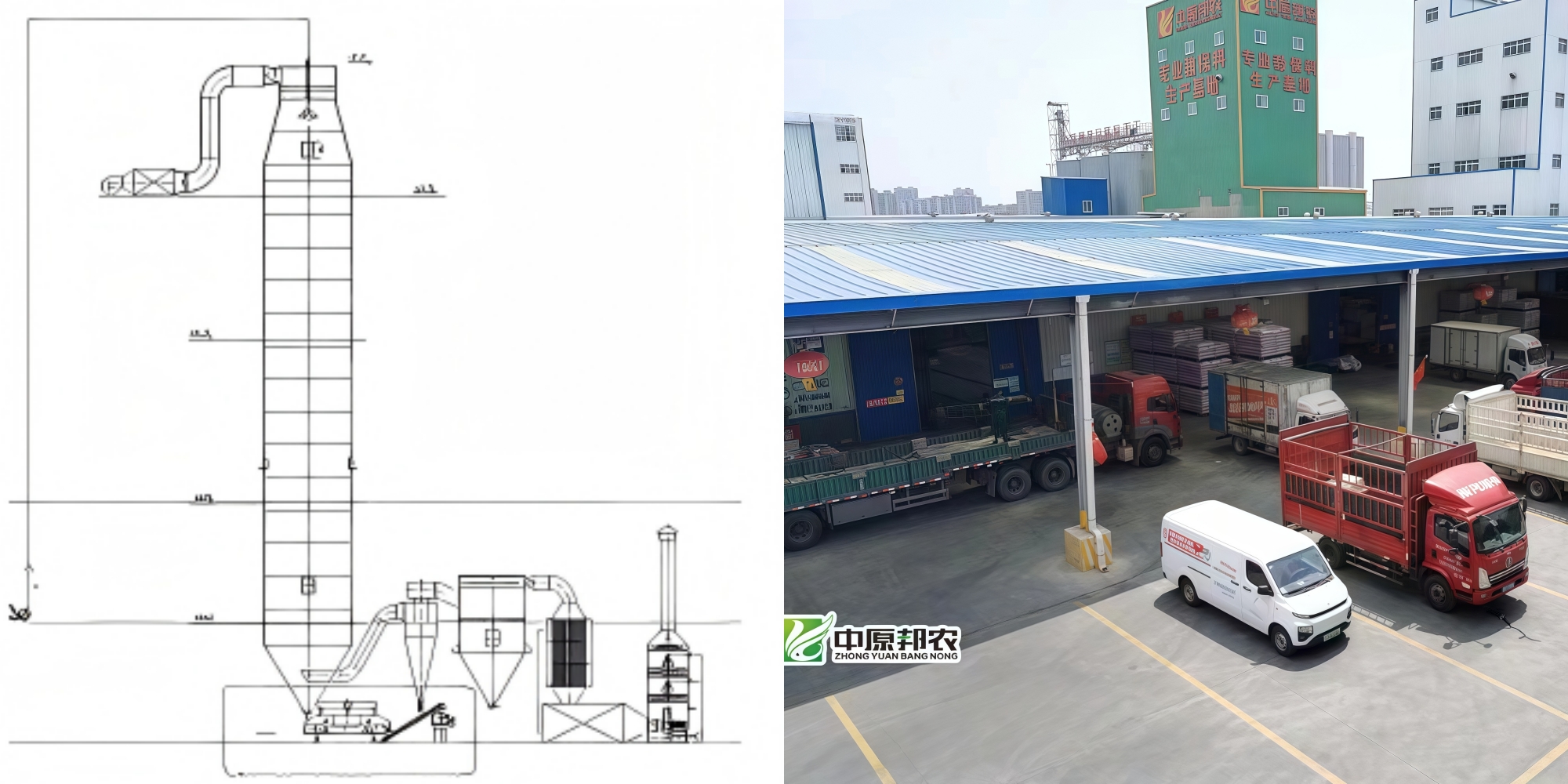
Figure 5 Process Flow Diagram of the Spray Drying Section and On-site Equipment
In terms of product characteristics, the spray-dried fish larval feed particles are fine, and the nutrient distribution is relatively uniform. Oils, phospholipids, and attractants can be well dispersed inside or on the surface of the particles through the emulsification system. Compared with ordinary powdered feed, such products are less prone to rapid disintegration or causing significant turbidity in the water after entering; compared with high-temperature expanded micro-particles, the processing thermal history is shorter, which is more beneficial for protecting small-molecule peptides, vitamins, attractants, and some fat-soluble functional components. Relevant process data on micro-encapsulated starter feed for golden pompano larvae also propose that micro-encapsulated bait prepared through expansion pre-treatment, ultra-fine pulverization, wall material coating, and spray drying helps to improve attractability, digestibility, water stability, and suspension properties (CN102228148B, 2012). Therefore, the product value of spray-dried micro-encapsulated fish larval feed lies in being “fine in particle size, uniform in nutrition, stable in water, good in slow settling, and readily accepted by fish larvae.”
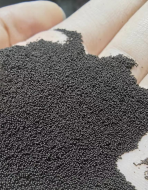
Figure 6 Finished Product of Spray-Dried Microencapsulated Larval Feed (<0.3 mm)
In terms of behavioral characteristics in water, spray-dried microencapsulated fish larval bait must possess excellent dispersibility and slow-settling properties after entering the water. After entering the water body, the bait particles can form a relatively uniform suspension state from the surface to the upper-middle water layers and sink slowly, which can extend the discovery and feeding window for fish larvae and avoid problems such as rapid drifting, clumping, or bottom accumulation associated with ordinary formulated powdered feed. The slow-settling performance is particularly critical for fish larval starter feed: on one hand, this characteristic adapts to the growth and development characteristics of fish larvae which have weak feeding ability and short predation windows; on the other hand, under a high-frequency and low-quantity feeding mode, it can effectively reduce the deposition of residual bait and lower the environmental load on the aquaculture water body. Therefore, the quality evaluation of such larval bait should not be based solely on the finished product particle size; instead, a comprehensive assessment should be made combining water dispersibility, slow-settling duration, water turbidity level, residual bait deposition status, and the feeding response of the fish larvae.
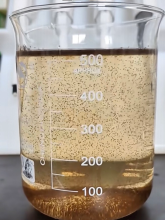
Figure 7 Distribution State of Spray-Dried Microencapsulated Larval Feed (<0.3 mm) in Water
In terms of feeding behavior characteristics, spray-dried microencapsulated fish larval feed can improve the ability of juvenile fish larvae to identify and accept artificial formulated feed through the combined regulation of protein hydrolysates, phospholipids, fish oil, attractant peptides, and flavor substances. In production application practices, key indicators such as the chasing response of fish larvae after feeding, feeding duration, amount of residual bait, abdominal fullness, and water turbidity need to be closely observed: if the density of the feed particles is too low, problems such as floating on the water surface for a long time and insufficient dispersion uniformity are likely to occur; if the particle density is too high or the particle structural compactness is insufficient, phenomena such as rapid sinking, nutrient leaching and loss, and even water quality deterioration are prone to happen. Accordingly, the core direction for subsequent R&D and optimization of spray-dried microencapsulated fish larval feed focuses on the performance balance between particle size distribution, particle density, settling rate, water stability, and the attraction system, ultimately forming product characteristics of “easy to ingest, slow settling, low loss, and strong preference.”
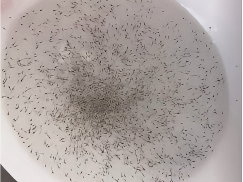
Figure 8 On-site Feeding and Feeding Observation of Larval Feed
3.6 Post-spraying, Coating, Drying, Cooling, and Sieving & Packaging
For fish larval feed below 0.3 mm, product evaluation should not be limited to the finished appearance and particle size; instead, an evaluation system combining particle size distribution, water stability, slow-settling performance, and feeding response should be established. In terms of particle size, attention should be paid to the proportion of the target particle size range, the proportion of excessively fine powder, and the proportion of large particles. Regarding water stability, attention should be paid to the dry matter retention rate, nutrient leaching, and degree of water turbidity after a certain soaking time. For slow-settling performance, the dispersion state, suspension time, and settling speed of particles after entering the water should be observed. In terms of feeding, judgment should be combined with the chasing response of fish larvae, feeding duration, abdominal fullness, and residual bait conditions. Existing research on microencapsulated feed for large yellow croaker larvae also points out that microencapsulated feed should have certain water absorption and permeability to maintain appropriate suspension and settling speeds, thereby facilitating ingestion by larvae while avoiding excessive loss of core materials (Zhu Qingguo, 2018). Therefore, the process optimization for fish larval feed below 0.3 mm should further shift from “whether it can be made small” to “after being made small, whether it can enter the water stably, be discovered by fish larvae in time, and be ingested effectively.”
Regardless of the main forming process route adopted, the performance of the finished fish larval formulated feed with a particle size smaller than 0.3 mm largely depends on the post-processing links. Post-spraying and coating processes are mainly used to supplement heat-sensitive nutritional components, improve palatability, and reduce the leaching loss of nutrients in the water body. For intermediate expansion and low-temperature extrusion processes, quantitative oil spraying or functional active liquid spraying is usually required after the finished particles have completed drying and cooling, thereby avoiding the destructive effect of the high-temperature process on active functional components.
Sieving and grading is a key link that cannot be ignored in the production process of fish larval feed below 0.3 mm. The narrower the target particle size range, the more significant the impact of screen parameter selection, vibration amplitude, material moisture content, and particle sphericity on the finished product yield. For products with a strict requirement for a particle size smaller than 0.3 mm, one should avoid inferring product particle size qualification solely based on a “0.3 mm template”; instead, it is necessary to clarify the D50, D90 particle sizes and the proportion of over-limit particles through finished product sieving or particle size testing. Generally speaking, the higher the quality stability of the front-end forming stage and the more reasonable the screening system design, the lower the amount of dust generated and the rework ratio of the product, and the better the process economics. The packaging link needs to follow the principles of light avoidance, oxidation prevention, and moisture regain prevention, and composite packaging materials with excellent oxygen barrier properties should be selected.
Table 4 Comparison of Main Process Routes for Fish Larval Feed Below 0.3 mm
4 Comparison of Aquaculture Effects, Market Application, and Process Selection for Different Processing Techniques
4.1 Comparison of Aquaculture Effects
From the perspective of aquaculture, the processing technology for formulated fish larval feed with a particle size below 0.3 mm must ultimately address four core issues: whether fish larvae can successfully complete the feeding process, whether weight gain remains stable, whether culture survival rates can be improved, and whether the culture water body is easy to manage. Existing studies indicate that when pellet feed has good stability in water and a low nutrient leaching rate, fish larvae are more likely to maintain a stable feeding status and achieve better growth performance under aeration, flow-through water, and high-frequency feeding modes (Langdon, 2003; Wang et al., 2020). However, the physical stability of the particles cannot completely represent the actual aquaculture application effect. If the particle hardness is too high, attractant activity is insufficient, or settling characteristics do not match the feeding habits of the target cultured species, it will still have an adverse impact on actual feeding effects, even if its water stability is good.
Combined with the analysis of process characteristics, it can be seen that the particles prepared by the low-temperature cold extrusion/micro-extrusion – spherization process have relatively balanced performance in terms of particle size consistency, surface sphericity, and water stability. Therefore, this process possesses significant application advantages in the cultivation of high-value marine fish larvae and strict domestication stages. The effect of the intermediate expansion route relies more on the degree of matching between the formula and post-processing: if the expansion gelatinization foundation is good, and the process control of the subsequent ultra-fine grinding, sieving, and post-spraying links is sufficient, the aquaculture effect can remain stable; if the connection of the back-end processes is not in place, problems such as a high proportion of product dust, palatability fluctuations, and increased load on the culture water body are prone to occur. The wet agglomeration process has certain advantages in gentle processing and active nutrient retention, but if the product particle strength and water stability are insufficient, its application effect in high-aeration larval rearing systems will be significantly limited. The spray drying or microencapsulation process is more suitable for meeting functional requirements such as “early opening feeding, delivery of functional active substances, and feeding habit transition domestication,” and is not suitable as the sole process route for the entire larval rearing cycle.
Table 5 Comparison of Typical Performance of Different Processes in Aquaculture Effects
4.2 Market Application and Customer Adaptation
Users of formulated fish larval feed with a particle size below 0.3 mm can be roughly divided into three categories:
The first category consists of large-scale marine fish hatcheries and integrated seedling enterprises. These customers have higher requirements for seedling survival rates, consistency of larval rearing batches, and control of the aquaculture water environment, and usually prefer to purchase products produced using micro-extrusion or similar high-end processes. Combined with public product information and the current status of market application, current mainstream commercial larval feed generally takes micro-pelletization, staged feeding, and seedling feeding habit transition as core product selling points. These customers pay more attention to comprehensive seedling production costs rather than mere feed prices, and therefore have a relatively higher willingness to pay for process stability and supporting technical services.
The second category consists of domestic feed enterprises with independent production capabilities or production enterprises supporting hatcheries. These customers pay more attention to the adaptability of the production process to existing equipment, and therefore have a higher acceptance of the intermediate expansion – post-micronization – secondary forming process route. This route can rely on the enterprise’s existing extrusion production resources and improve product performance through back-end crushing, sieving, and oil spraying processes, making it a more realistic technical direction for the current stage of engineering promotion in China.
The third category consists of universities, research institutes, and larval rearing R&D projects for specific niche species. These customers have higher requirements for the flexibility of formula adjustments and process improvements, and usually adopt wet agglomeration or spray drying routes to carry out experimental development, aiming to verify the application effects of new raw materials, functional active factors, or ultra-small particle size products in specific cultured species.
4.3 Process Selection Recommendations
If the target market is high-value marine fish larvae and the strict domestication stage, the low-temperature cold extrusion/micro-extrusion – spherization route is prioritized to ensure particle size consistency, water stability, and comprehensive aquaculture performance. If the enterprise already has a mature extrusion line and wishes to rapidly launch industrial development, the intermediate expansion – micronization route is more realistic; the key lies in effectively controlling the subsequent ultra-fine grinding, sieving, and post-spraying. If the project focuses on low-temperature functional retention, rapid trial production, or the evaluation of special bonding systems, the wet agglomeration route can be considered. If the goal involves ultra-small particle sizes, functional delivery, or early opening encapsulated products, the spray drying/microencapsulation route holds greater advantage.
From the perspective of enterprise R&D, it is inadvisable to discuss broadly which process is “best.” A more reasonable approach is to establish an integrated design concept of “process – formula – application scenario” based on the species, culture stage, customer type, and existing equipment foundation. For most enterprises, a layered product system can be formed: using intermediate expansion or low-temperature cold extrusion as the main route, and using spray drying or microencapsulation to undertake front-end opening feeding, functional enhancement, and transition connection, thereby balancing cost, performance, and market coverage.
5 Recommendations for the Engineering Development of Formulated Starter Feed for Fish Larvae with Particle Size ≤ 0.3 mm
First, clarify the product particle size specification boundaries. Forming through a 0.3 mm die hole does not mean that all finished particles meet the requirement of particle size ≤ 0.3 mm. It is necessary to clarify the proportion of target particle size, D₅₀, D₉₀, and the proportion of over-limit particles with particle size > 0.3 mm through finished product particle size testing and sieving and grading processes; for products with a strict requirement of particle size < 0.3 mm, it is recommended to set clear upper limit thresholds for particle size and rework rules for non-conforming products.
Second, conduct pre-validation of the front-end grinding process. The core production bottleneck for products with a particle size < 0.3 mm does not lie in the forming equipment but is constrained by the raw material powder particle size, powder flowability, and oil exudation. It is recommended to incorporate the regulation of 200-mesh raw material grinding capacity, low-temperature grinding technology, air classification, and liquid filtration links into the engineering design scheme to avoid dealing with die hole blockage issues only at the forming stage.
Third, optimize the continuous connection design of the low-temperature cold extrusion process. Buffer systems, material distribution systems, and parallel shaping systems need to be equipped between the continuous extrusion and batch tumbling processes; otherwise, problems such as discharge accumulation, batch quality fluctuations, and increased return powder rates are prone to occur. For products with a target capacity of 0.5 t/h and a particle size boundary of 0.3 mm, the design capacity of the extrusion end should be no less than 1 t/h, and equipment capacity for sieving return materials should be reserved.
Fourth, the spray drying process should serve as a functional module rather than a general granulation route. If spray drying is applied to the preparation of early starter feed or the encapsulation of functional active ingredients, it is necessary to focus on controlling emulsion stability, wall material system, solids content, inlet air temperature, outlet air temperature, feed rate, powder collection efficiency, and final product moisture. Furthermore, it is necessary to confirm whether the product meets the < 0.3 mm particle size positioning through particle size testing.
Fifth, build a closed-loop for performance verification at the aquaculture end. The successful development of fish larval feed with a particle size < 0.3 mm cannot be judged solely by the standard of “producible and formable.” It is also necessary to establish a complete mechanism for laboratory trials, pilot trials, and on-site verification at the aquaculture end, focusing on the comparative verification of feeding rate, dry matter retention rate, lipid retention rate, survival rate, weight gain rate, and water quality indicators. Only when both processing technology indicators and aquaculture production performance indicators are stable can the product enter commercial promotion.
6 Conclusions
(1) Fish larval starter feed with a particle size below 0.3 mm is not a simple refined product of ordinary aquatic formulated feed, but a systematic product that puts forward high requirements for raw material quality, grinding particle size, heat treatment intensity, particle size precision, water stability, nutrient retention effect, and feeding adaptability.
(2) The four types of processes—intermediate expansion – micronization, low-temperature cold extrusion/micro-extrusion – spherization, wet agglomeration, and spray drying/microencapsulation—each have applicable scenarios and technical boundaries: the comprehensive performance of the low-temperature cold extrusion/micro-extrusion – spherization process is superior; the engineering adaptability of the intermediate expansion process is stronger; the production flexibility of the wet agglomeration process is higher; and the spray drying and microencapsulation processes possess unique technical advantages in the preparation of ultra-small particle sizes and the delivery of functional active substances.
(3) The results of low-temperature cold extrusion engineering tests for 0.3 mm grade feed indicate that 0.3 mm grade boundary micro-particles can be formed through low-temperature die discharging and tumbling shaping processes. However, products with a particle size strictly smaller than 0.3 mm impose higher technical requirements on 200-mesh grade grinding, liquid raw material filtration, low-pressure die discharging parameters, die hole anti-clogging, the connection between continuous discharging and batch spherization processes, and fine sieving technology.
(4) The spray drying/microencapsulation process is more suitable for the production of ultra-early starter feed, the encapsulation of functional active factors, and nutrient delivery needs; the core process parameters that affect control indicators such as finished product yield, moisture content, and particle size distribution in this process are inlet air temperature, outlet air temperature, feed rate, atomization pressure, and equipment preheating stability status.
(5) From the perspective of market application logic, large-scale marine seed breeding enterprises pay more attention to the product stability and seed survival rate improvements brought by micro-particle feed technology; domestic enterprises, in the process of engineering promotion, need to simultaneously balance existing equipment foundations and cost efficiency. Subsequent development needs to avoid the thinking limitations of a single process route. Process combination design should be carried out based on the particle size requirements of different cultured species, different developmental stages, and customer on-site conditions, and a technical iteration closed loop should be formed through the optimization of processing parameters and the verification of aquaculture effects.