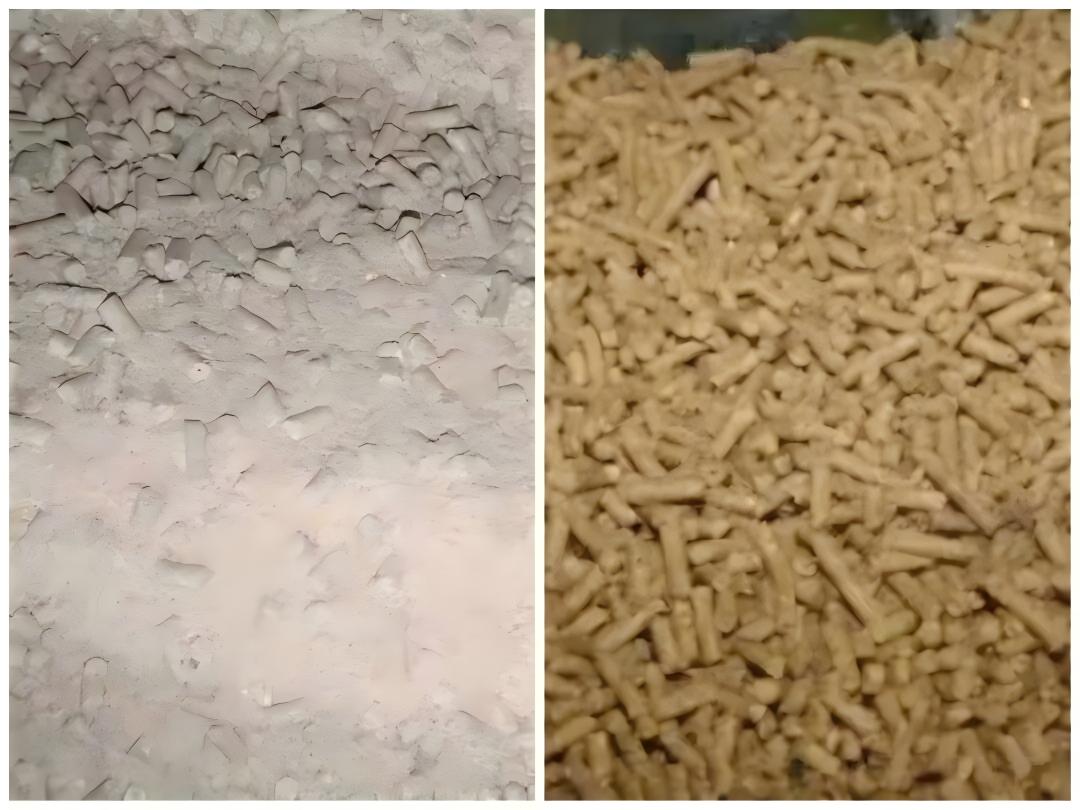

Pellet feed production line project with an annual output of 120,000 tons – easier, more efficient and safer

DATE : May 16th, 2016
Read :492

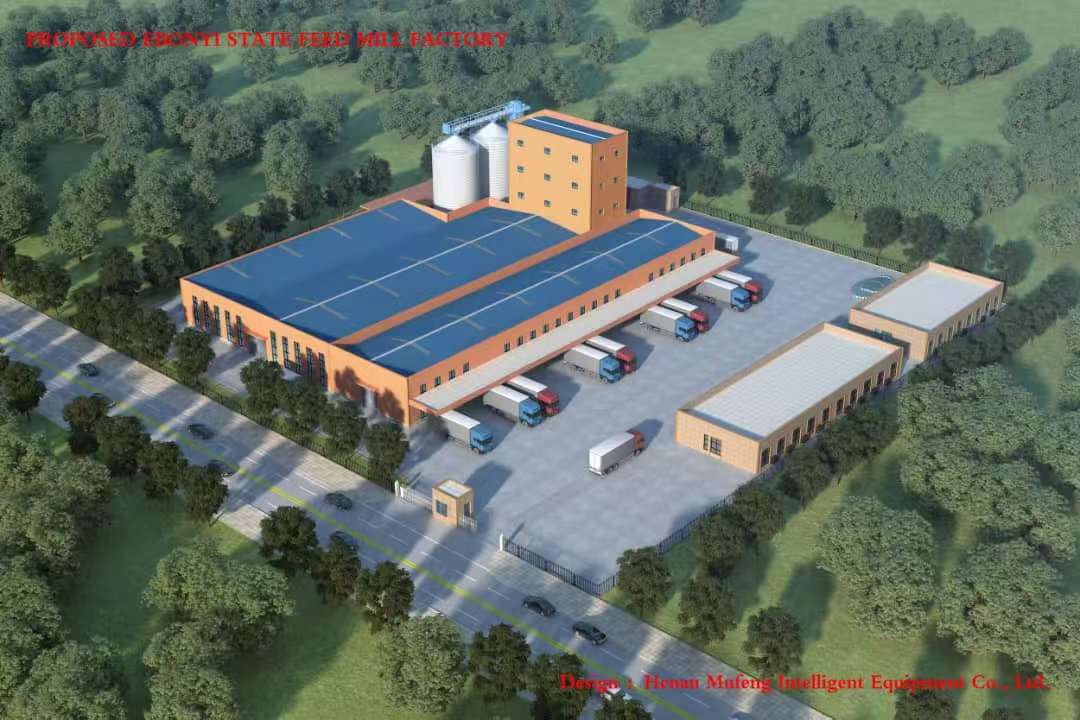
Our company’s Henan Bangnong Feed Co., Ltd.’s pellet feed production line project with an annual output of 120,000 tons started construction in May 2016. It was completed and put into operation in December. It will be in full capacity in 2017. The current monthly output is about 8,000 tons.
This project has a large production scale. Two SZLH420 granular material production lines are equipped with a 132KW and a 90KW crusher, a 2000KG/P mixer, 16 batching bins, 2 batching scales, 2 SZLH420 granulators, and 2 SKLYF2000 cooling and 2 packaging lines, and a set of palletizers. In addition, it has good storage equipment, 3 500-ton grain silos and 3 200-ton soybean meal silos, making the project progress easier. The steel-structured main workshop makes factory operations safer and more efficient.

 

Pellet feed production line


Share:
Related News
Nigeria’s 10T/H Poultry Feed+5T/H Floating Fish Feed Project Successfully Starts Construction
2024-10-30
Recently, good news came from Nigeria that Mufeng has successfully started construction on major projects in the country. This project includes a 10T/H poultry feed production line and a 5T/H floating fish feed production line.
How to Reduce Energy Consumption of Feed Pellet Mills?
2026-04-16
The core of reducing energy consumption of feed pellet mills lies in optimizing raw material pretreatment, equipment parameters, and operation & maintenance, starting from reducing pelleting resistance and improving energy utilization efficiency. Specifically, it can be implemented from the following 4 key dimensions: 1. Optimizing raw material pretreatment: 2. Setting pelleting parameters reasonably: 3. Strengthening equipment maintenance: 4. Adopting energy-saving technologies and equipment:
How to Systematically Identify Potential “Nodes” for Root Cause Analysis When Facing Market Complaints About Excessive Pellet Powder?
2026-08-25
To systematically address market complaints regarding excessive pellet powder, a process analysis is essential, focusing on ten key nodes: the pellet mill observation port, pellet mill discharge port, rotary grading screen inlet, finished product bin inlet, pelleting floor screen inlet, packing port, palletizing area, loading area, customer storage area, and animal feeding end feed trough. By observing these specific points, operators can diagnose root causes ranging from upstream issues like pulverization particle size, mixing uniformity, and steam conditioning to downstream factors such as equipment wear, screening capacity, buffer settings, and handling procedures. This comprehensive inspection allows for the identification of interactions between variables—such as improper die compression, cooling inefficiencies, or physical impact during transport—enabling targeted adjustments to equipment parameters, operational workflows, and maintenance schedules to effectively reduce powder generation throughout the entire production and supply chain.
Get A Free Quote

    *

    *

    Production Line

    Production Capacity

    *Messages

    x