
1. Overall Energy-Saving Control Techniques
(1) Install capacitor compensation systems for high-capacity equipment to provide localized power factor correction and reduce line losses. Utilize automatic compensation to ensure the level of compensation remains appropriate.
(2) Schedule production during periods of lower electricity tariffs to reduce production costs.
(3) Plan production scientifically and coordinate effectively between shifts. Ensure that the batch size for each product meets the minimum economic production scale; this minimizes downtime and idle time caused by frequent product changeovers, thereby improving energy efficiency.
(4) Promptly shut down equipment that is not in use to prevent it from running idly.
2. Energy-Saving Techniques for Boilers and Steam Systems
To achieve maximum operational efficiency with minimal energy consumption, boilers and steam systems must be maintained under optimal operating conditions. This includes the following:
(1) Properly soften and chemically treat boiler feedwater to prevent scaling and corrosion. Use appropriate chemical treatments to control the total dissolved solids (TDS) in the steam and the pH level of the water. Implement correct blowdown procedures to remove solids and impurities from the bottom of the boiler, while avoiding excessive blowdown.
(2) Properly adjust the burner’s air-fuel ratio to ensure clean combustion.
(3) Implement the following measures to minimize energy consumption or losses in steam production:
a. Avoid operating boilers at pressures higher than those required for the specific processing tasks.
b. Shut down the steam system when steam is not required.
c. Regularly monitor and, if necessary, adjust the chemical treatment of boiler water.
d. Perform periodic blowdown, while ensuring that it is not done excessively. e. Regularly check for steam leaks, ensure that steam-water separators, steam traps, and pressure-reducing valves are functioning correctly, and inspect valves for any malfunctions.
3 Compressed Air Systems
More than 80% of the cost of compressed air is attributed to electricity consumption; therefore, a properly operating compressed air system is crucial for energy savings. Improving the efficiency of this system can have a significant impact on reducing operational costs.
(1) The most common causes of excessive electricity consumption in compressed air systems include operating at pressures higher than necessary, air leaks, and high resistance at the air intake. For example, a leak with a diameter of 3.175 mm at an operating pressure of 0.7 MPa will result in the loss of 251,454 m³ of air per year, which equates to an electricity consumption of approximately 24,000 kWh. At a cost of 0.6 RMB/kWh, this represents an annual loss of 14,400 RMB. For most air compressors operating at a discharge pressure of 0.7 MPa, the air delivery rate is between 0.147 and 0.187 m³/min per kilowatt. A change in pressure of 0.014 MPa affects the compressor’s energy utilization by 1%, and every 10°C change in the intake air temperature affects the compressor’s efficiency by 1%.
The pressure drop across all system components should not exceed 0.1 MPa.
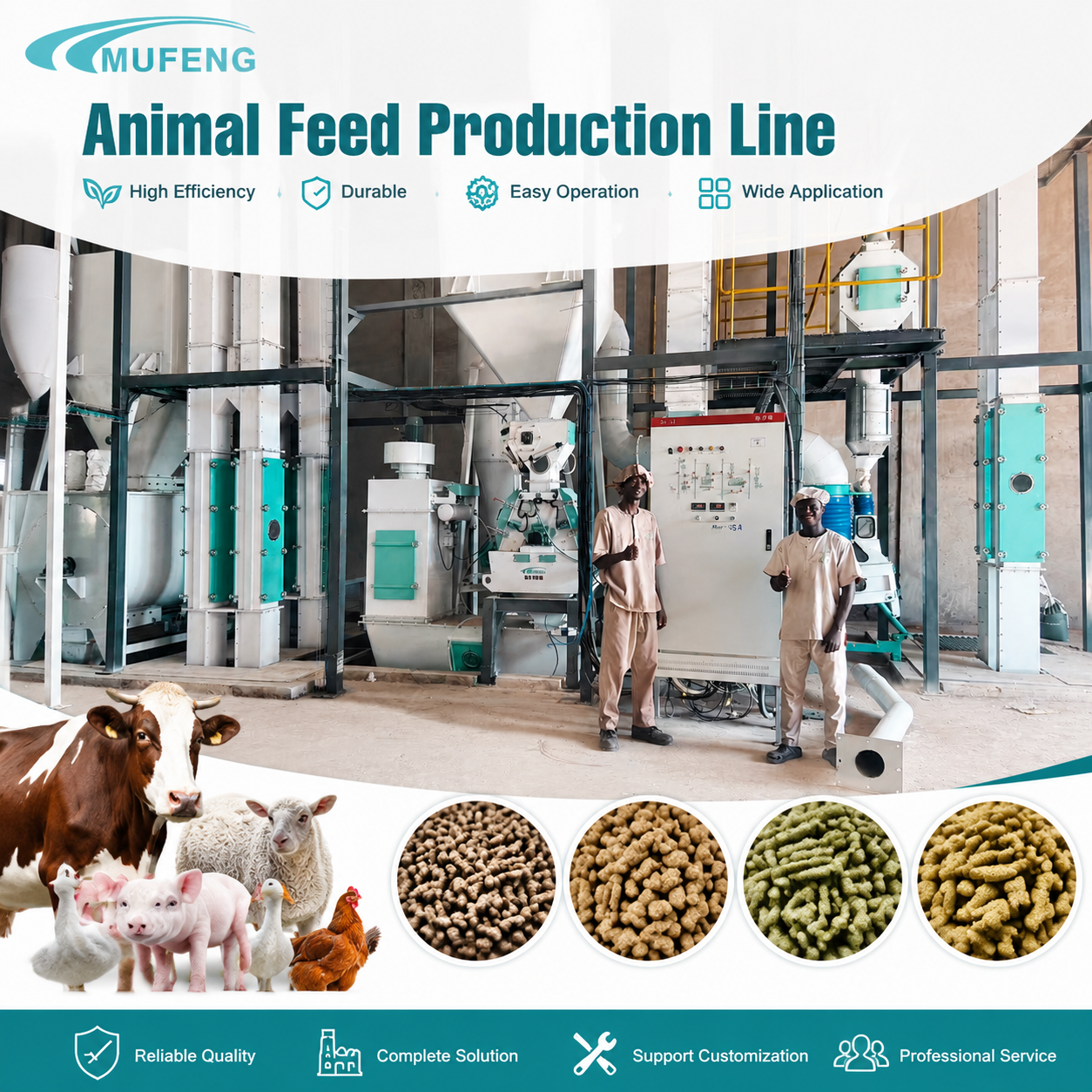
4 Power Transmission
One area often overlooked in terms of energy conservation is power transmission—whether through bearings, gear reducers, drive belts, or chain-and-sprocket drives. The following measures can help minimize energy consumption or losses within power transmission systems:
(1) Lubricate bearings using the appropriate type and quantity of lubricant to maintain optimal operating conditions. (2) Maintain the proper tension for V-belts, replace worn belts, and ensure that pulleys and other components are correctly matched to the belts used.
(3) Use toothed (timing) belts to eliminate slippage-induced power loss.
(4) Maintain proper tension in drive chains to prevent vibration caused by chain slack.
(5) Lubricate chains to ensure they remain flexible.
(6) Keep drive mechanisms clean and free of dirt or debris to prevent localized heat buildup. Ensure adequate airflow around gear reducers.
(7) When equipment must operate at multiple speeds, use AC variable-frequency drives (VFDs) instead of mechanical or adjustable-belt drive systems.
(8) In feed processing, raw materials, intermediate components, and finished products are handled multiple times. The type, specifications, and capacity of the equipment used to move these materials affect energy consumption; therefore, it is essential to select the appropriate equipment for each application.
(9) Minimize or avoid the use of pneumatic conveying systems whenever possible.
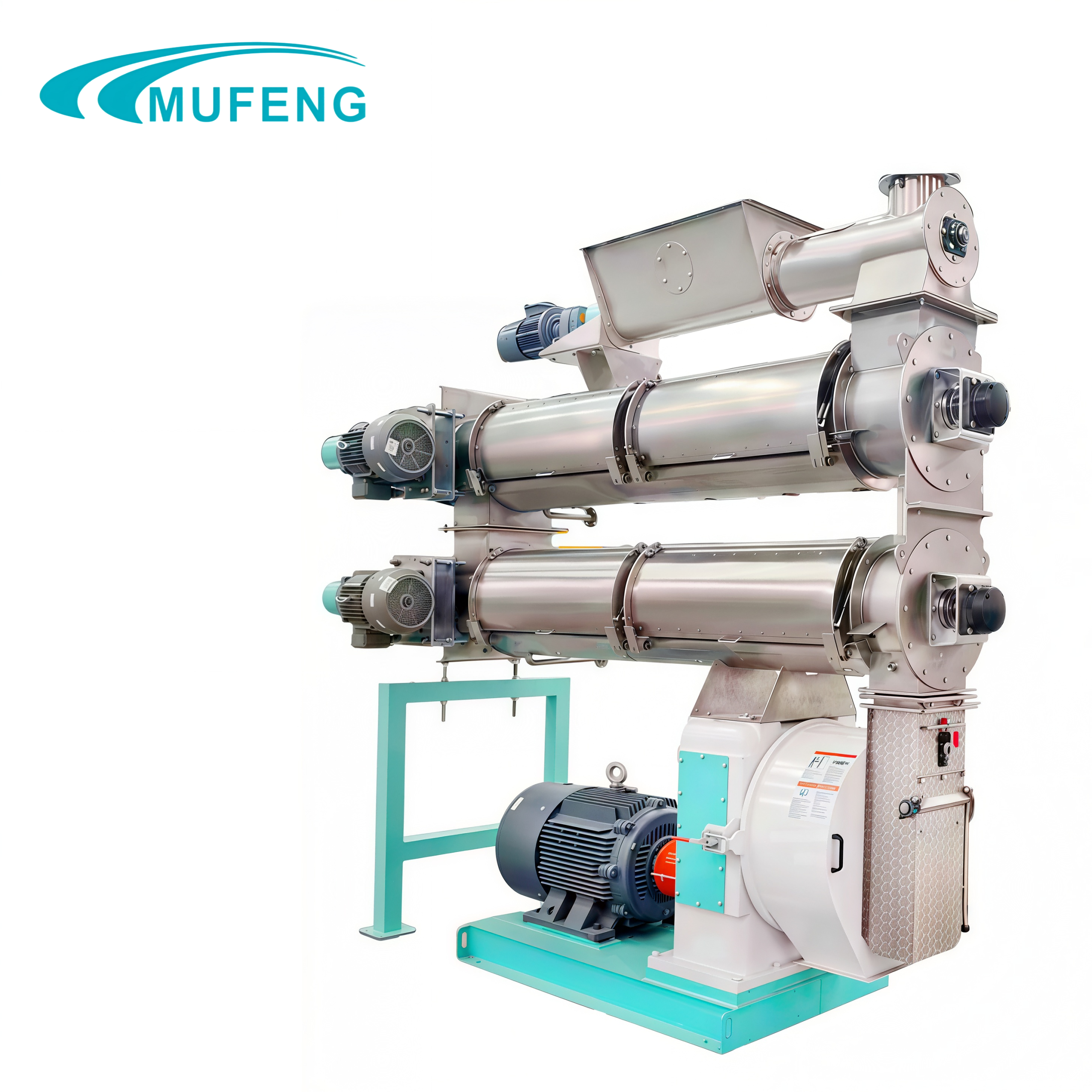
5 Raw Material Grinding
(1) Promptly reverse or replace hammer mill beaters and pulse-jet filter bags to maintain high grinding efficiency.
(2) Maintain optimal negative pressure in the air-assist system to increase throughput. Implement a delayed cleaning cycle for pulse-jet filter bags after the system fan has stopped. Keeping the filter bags clean extends their service life and improves fan efficiency.
(3) During feed processing, avoid grinding raw materials to a finer degree than is required. (4) Use a variable-speed feeder to ensure uniform material intake and maintain the pulverizer at its rated load.
(5) During ultra-fine grinding, mixing materials that are difficult to grind with those that are easier to grind can improve overall grinding efficiency.
(6) Incorporate classification equipment after coarse and ultra-fine grinding stages to minimize the over-processing of raw materials.
6 Batching and Mixing
(1) Enhance the operational skills and coordination capabilities of central control personnel.
The central control room serves as the “brain” of the production workshop; operators there coordinate and schedule the tasks for personnel at various production stations. Upon receiving a production assignment, central control operators determine the type, sequence, and quantity of materials to be fed—based on the production order, current inventory levels in the batching bins, and bin capacities—to ensure the mixer operates continuously without interruptions caused by material shortages. Proper feeding strategies also minimize the frequency of pulverizer start-ups and reduce idle running time. When producing both pelleted feed and concentrated feed, determining the optimal transition timing is crucial for ensuring a steady flow of material to the pellet mill and maintaining continuous operation of the mixer. A lack of proficiency or poor coordination by central control staff will inevitably lead to operational bottlenecks or production stoppages due to material shortages. Therefore, improving the operational and coordination skills of central control personnel is a key factor in boosting production efficiency.
(2) Utilize variable-frequency drives (VFDs) for screw feeders to maintain a stable load on the feeder motors and ensure efficient operation.
(3) Design storage bins and weigh hoppers to allow for complete material discharge via gravity, eliminating the need for vibration-based or mechanical unloading devices.
(4) Accurately configure batching and mixing cycles, and effectively schedule manual ingredient additions and liquid dosing to enhance the efficiency of the batching and mixing process.
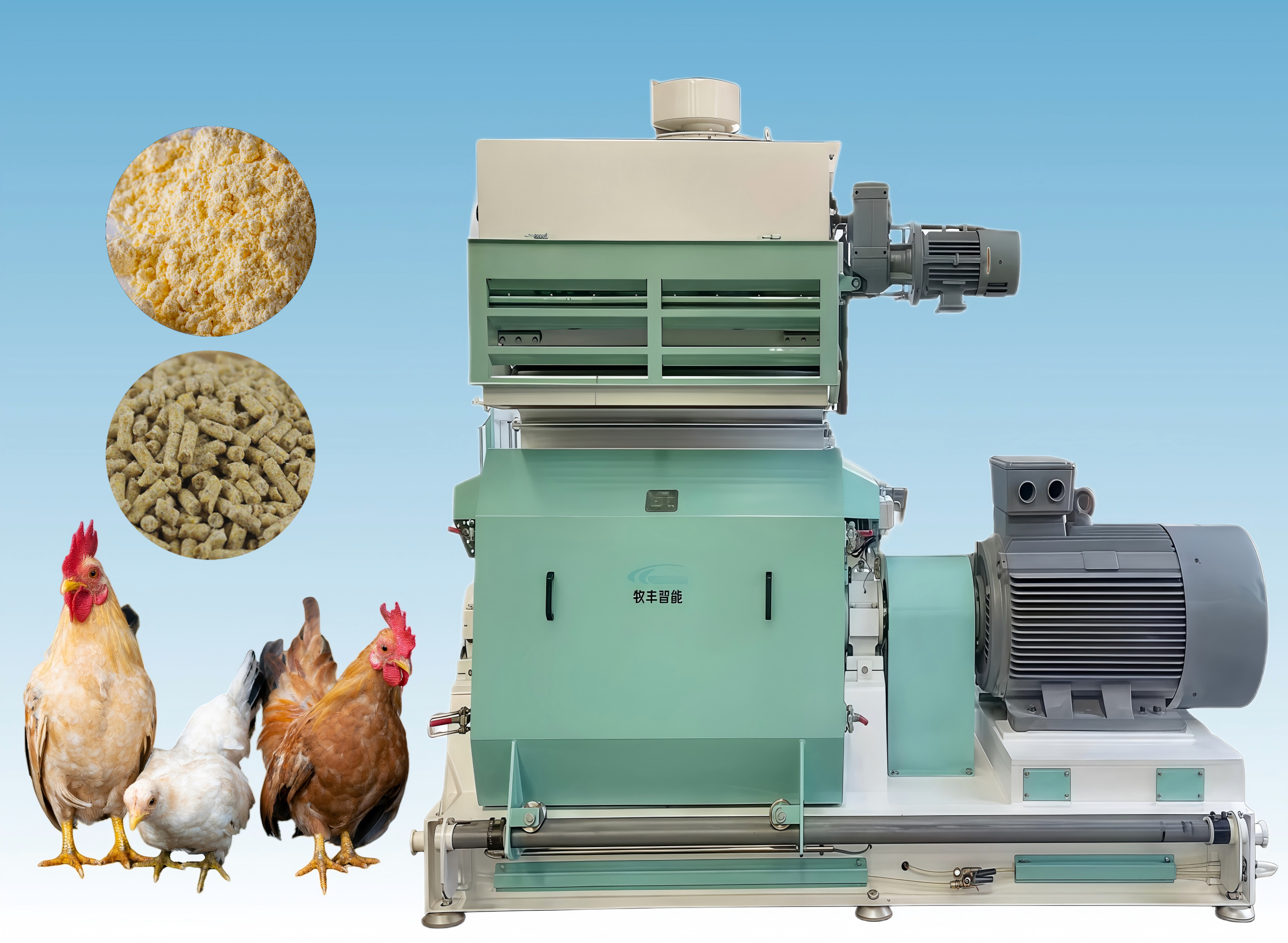
7 Pelleting
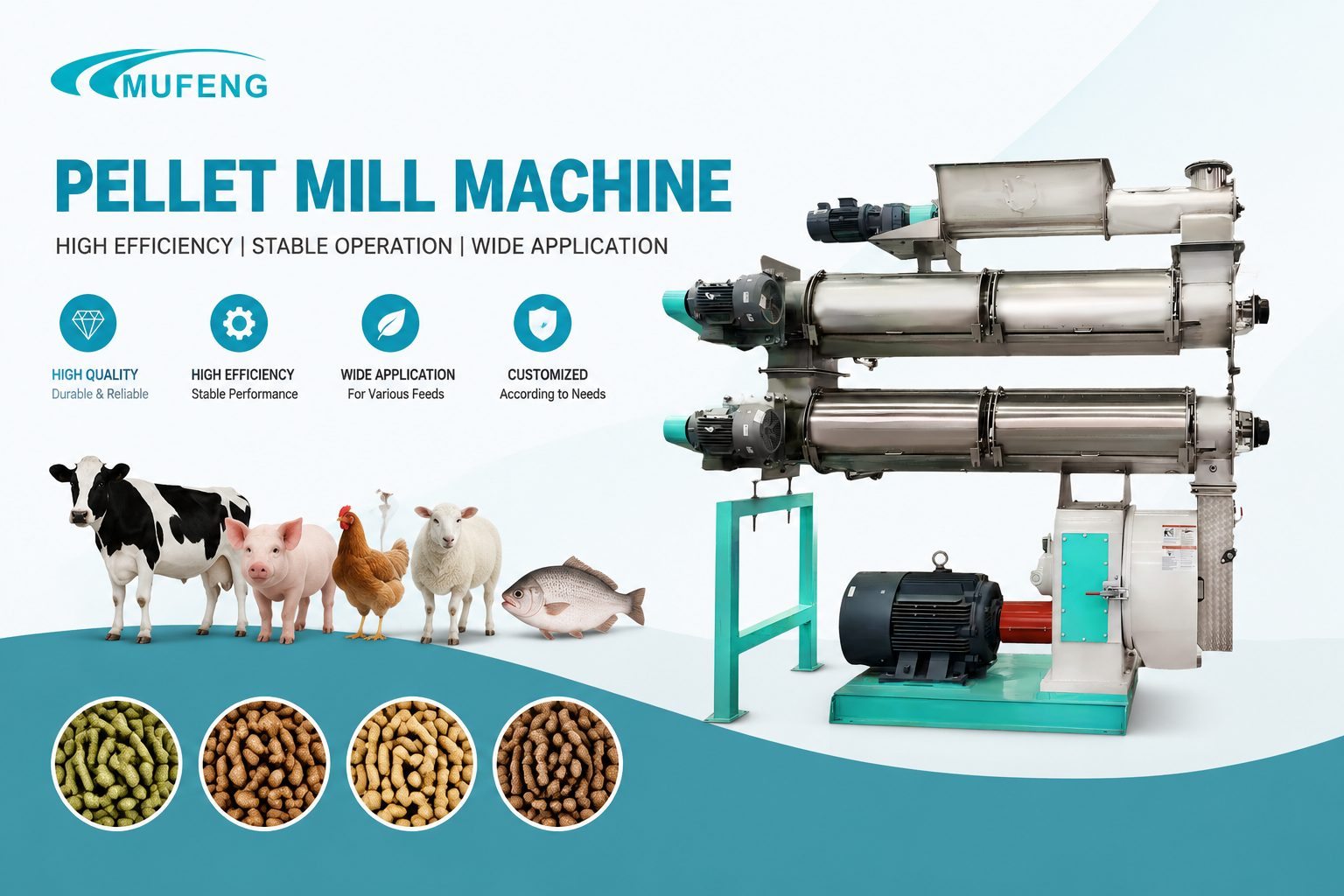
(1) When purchasing ring dies for pellet mills or screens for hammer mills, prioritize a higher open-area ratio—while ensuring sufficient structural strength—to boost production efficiency and reduce electrical energy consumption.
(2) Optimize production output and adjust the gap between the die and rollers to enhance pelleting efficiency and extend the service life of both the ring die and the pressure rollers.
(3) Use a ring die restoration machine to repair ring dies promptly, thereby improving production efficiency and ensuring consistent product quality.
(4) Adjust or replace the paddles in the pellet mill conditioner, and add mixing bars to improve the conditioning effect, which in turn increases production efficiency.
(5) Enhance the thermal insulation of the conditioner to boost both the capacity and quality of the pelleting process.
(6) Ensure that cooling air passes uniformly through the material bed, preventing “short-circuiting” (where air bypasses the material). Keep air ducts as short as possible—especially horizontal sections—and minimize the number of elbows. Select the cooling fan based on the cooler’s throughput; the design airflow should be 22–28 m³/ton·min. Use the upper end of this range for large, high-density pellets, and the lower end for small, low-density pellets; similarly, use the upper limit in summer and the lower limit in winter. When determining the required suction volume, aim for the upper limit, then use dampers to ensure the fan operates at the high-efficiency point on its performance curve.
(7) When using a pellet crumbler, precisely adjust the gap between the crushing rolls to avoid over-crushing and save energy.
8 Extrusion
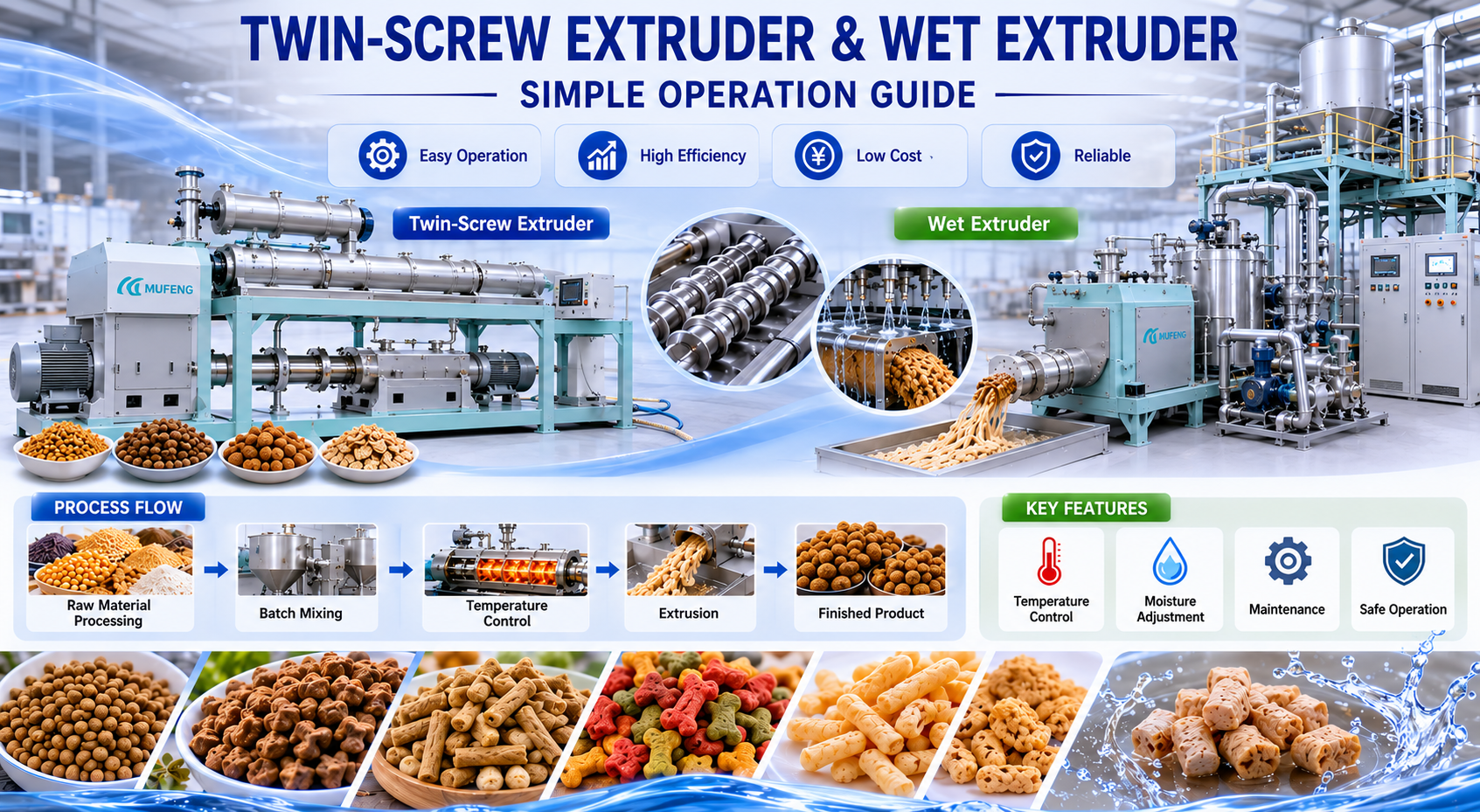
(1) Utilize an automated control system to manage the extrusion process, adjusting energy input as needed to maintain preset operating conditions. Scientifically regulate the pressure and temperature within the extrusion chamber, and precisely control the density and degree of gelatinization (cooking) of the extruded products to avoid over-cooking and excessive energy consumption.
(2) Properly adjust and control the airflow and temperature within the drying section; utilize heat exchange equipment effectively by recirculating a portion of the hot air to improve energy efficiency.
(3) Ensure that the material maintains an appropriate thickness and is distributed as uniformly as possible within the dryer to enhance drying effectiveness and minimize waste caused by hot-air “short-circuiting” (bypassing the product).
(4) Properly adjust and control the airflow and temperature within the cooler to avoid over-cooling and improve energy efficiency.
9 Packaging
(1) Perform timely maintenance on bag-sewing machines and ensure standardized sewing procedures. Strictly control the length of thread tails during the sewing process.
(2) Maintain proper control over the weight of finished product units; conduct weight spot-checks at a frequency of one per every 10 bags.
10 Warehousing
(1) Rationally plan logistics aisles and material stacking patterns within the warehouse to keep passageways clear and minimize travel distances during handling and transport.
(2) Organize or design the warehouse layout to facilitate a “First-In, First-Out” (FIFO) inventory system, ensuring that older stock can be accessed and dispatched without needing to move newer stock first.
(3) Implement the following measures to minimize energy consumption or losses in the compressed air system:
a. Avoid operating the system at pressures higher than necessary.
b. Periodically shut down all air-consuming equipment to check for air leaks.
c. Regularly drain condensate from air receiver tanks and vertical risers (standpipes).
d. Ensure that intake air is kept clean and filtered.