
Successful case of aquatic feed production line project with annual output of 420,000 tons

DATE : Jul 25th, 2023
Read :852

Project details:

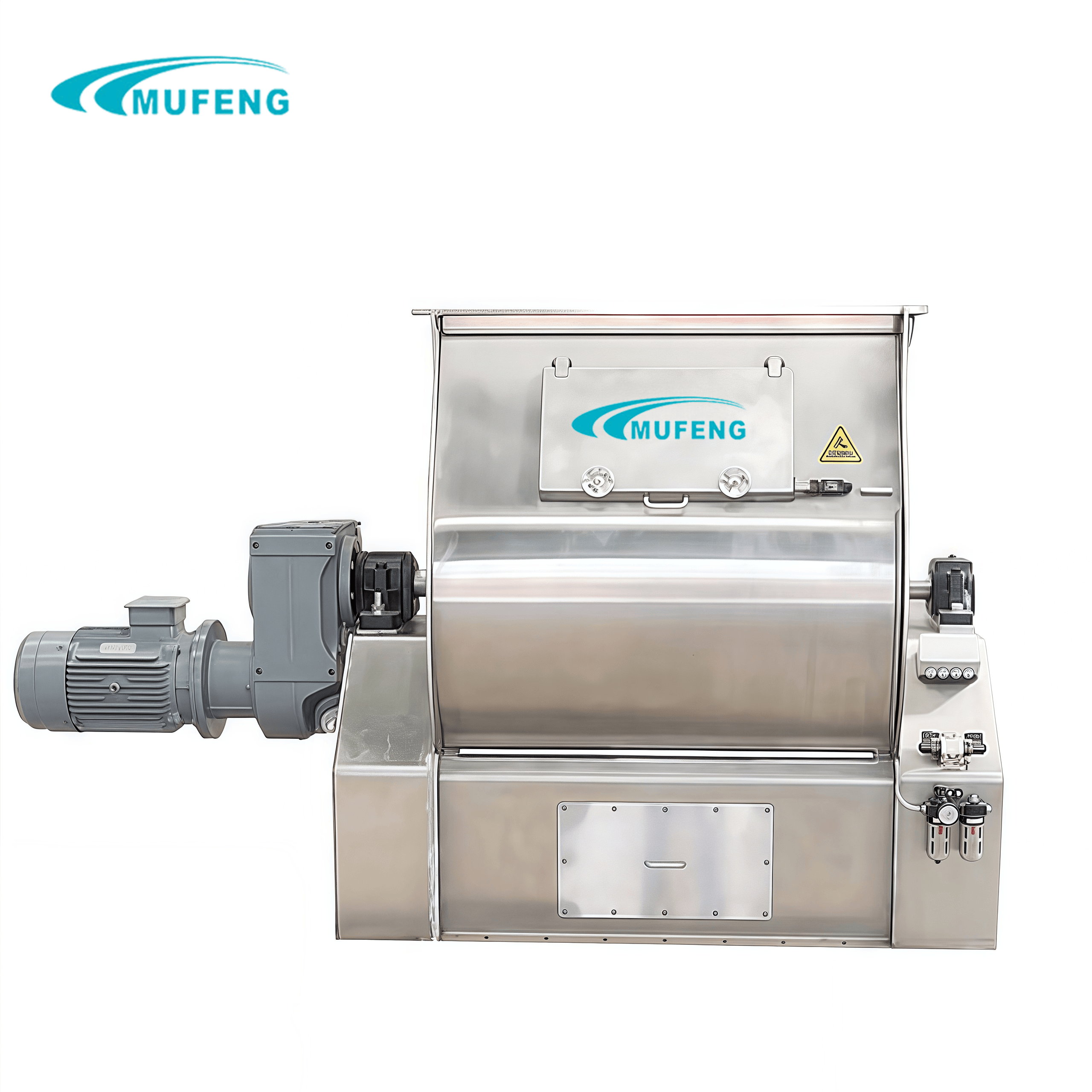
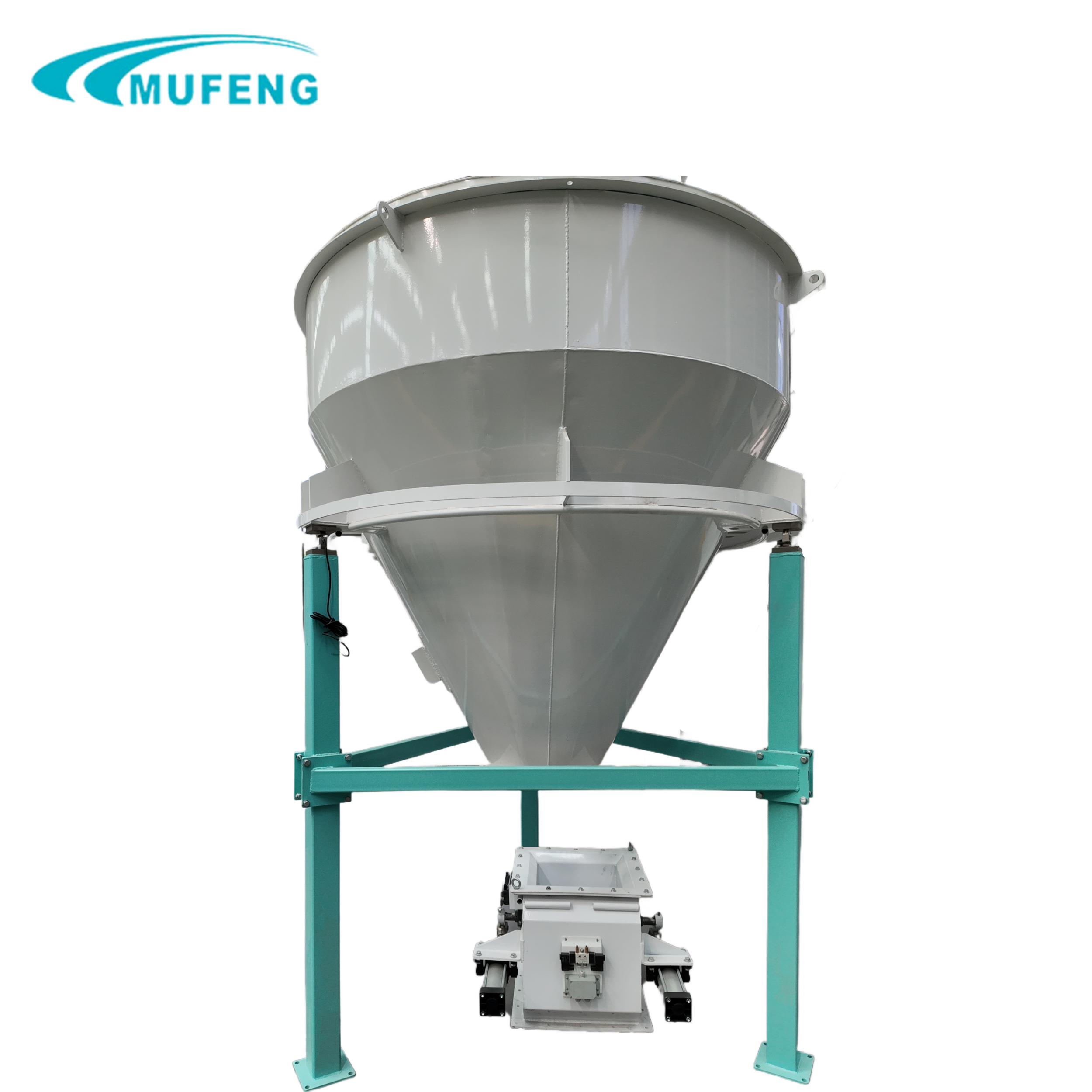
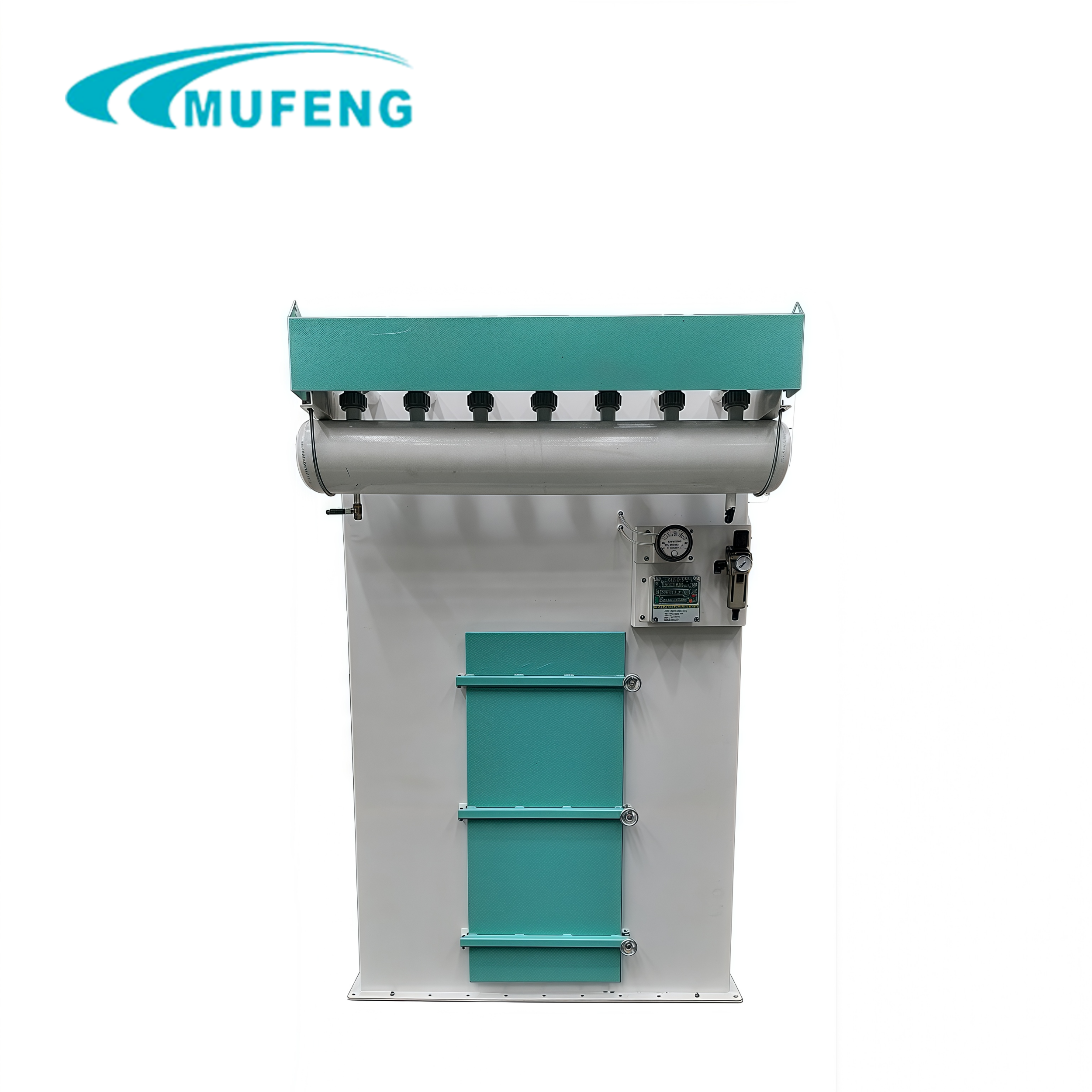
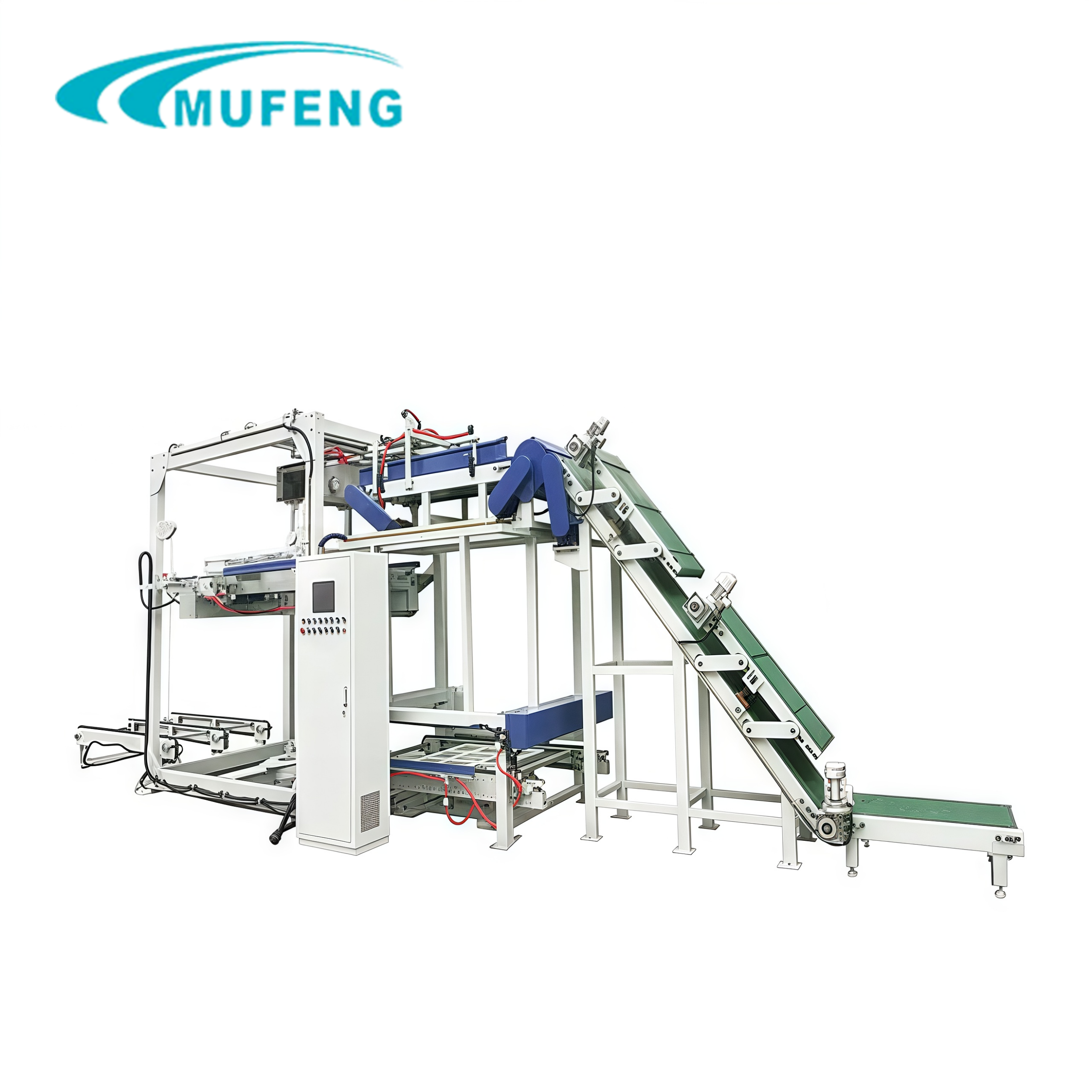
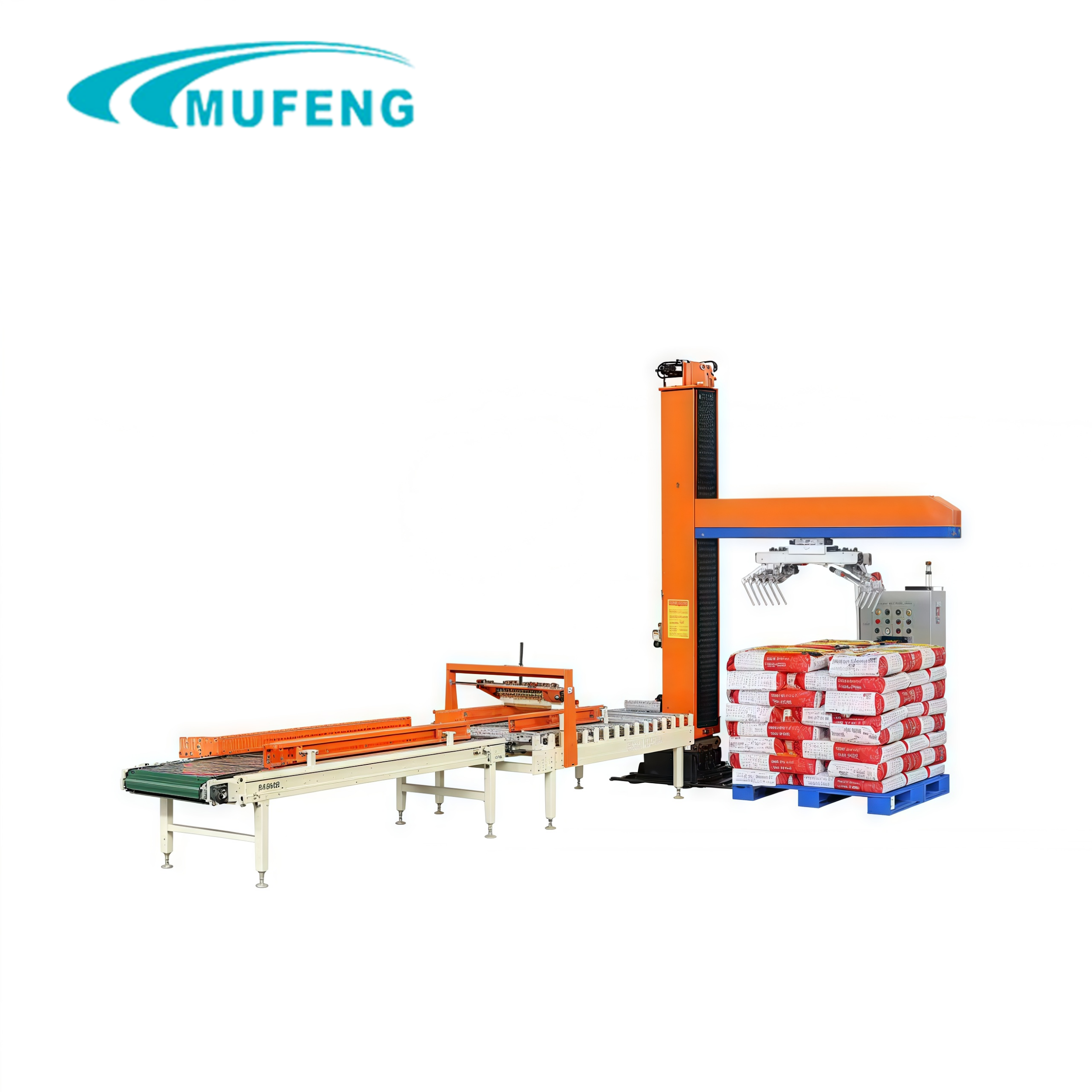
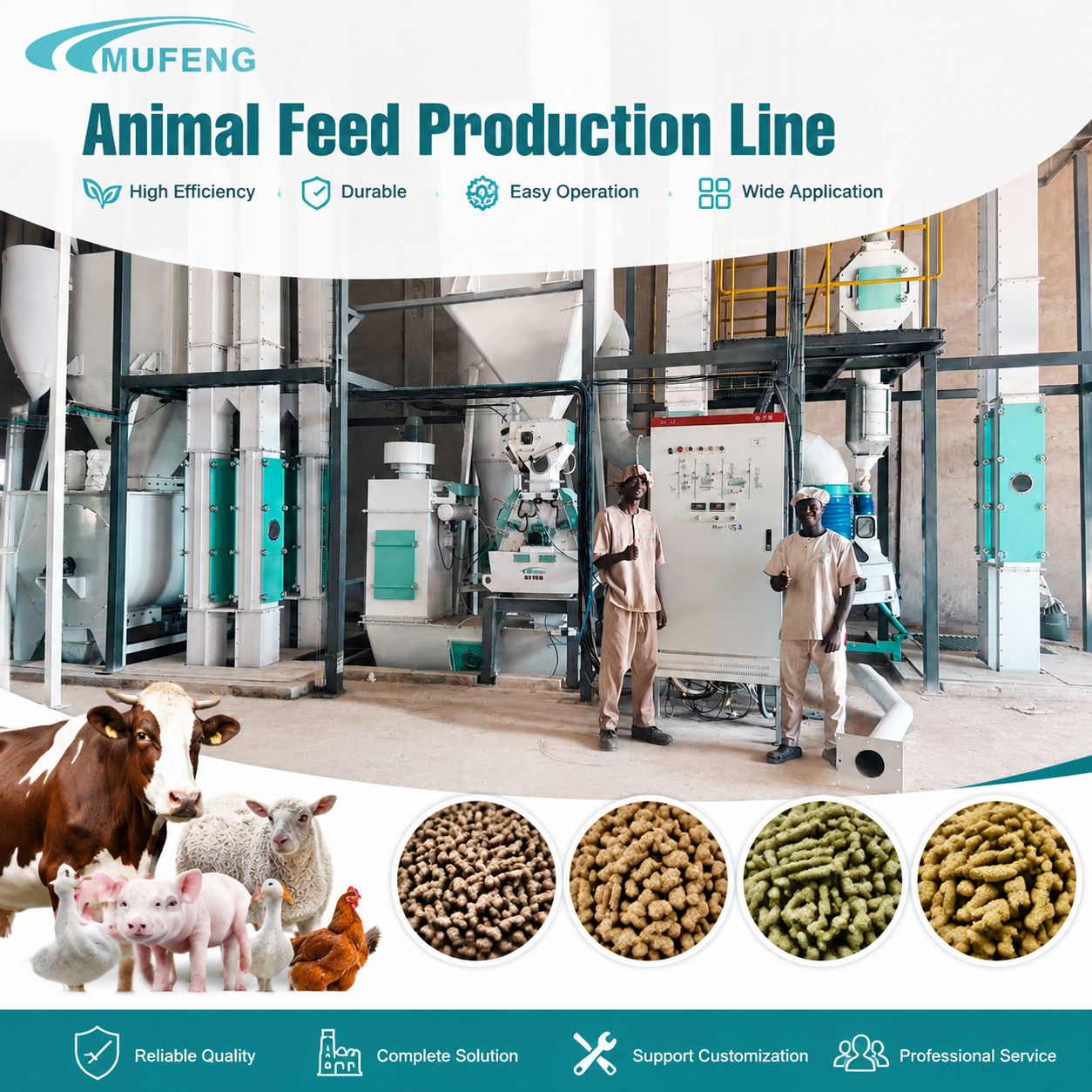
1. Production scale: 4 SZLH508 pellet production lines and 2 MHPH156*2 twin-screw expansion lines, equipped with four 160KW pulverizers and two 220KW ultra-fine pulverizers, one 3000KG/P mixer and 4 2000KG/ P mixer, 86 batching bins, 9 batching scales, 6 SKLYF2400 coolers, 6 packaging lines, and 6 sets of palletizers;

2.6 sets of 200-ton soybean meal silos;

3. The project is equipped with four sets of post-pellet oil injection systems to increase the grease content while reducing the powder content of the particles. The puffing line is equipped with a vacuum spraying machine;

4. Contains steel structure main workshop.

The civil construction of this project will start in May 2022. Our company will enter the site to install the steel structure in July 2022, and start installing equipment in September. It will be completed and put into production in July 2023. The factory produces carp, grass carp pellet feed, Huiyu, California Extruded feed for bass, bullfrog, shrimp, crab, ornamental fish, etc.

Share:
Related News
MUFENG's Cutting-Edge Solutions Unveiled at VIV NANJING 2023
Revolutionizing Agriculture and Livestock: MUFENG’s Cutting-Edge Solutions Unveiled at VIV NANJING 2023
2023-09-06
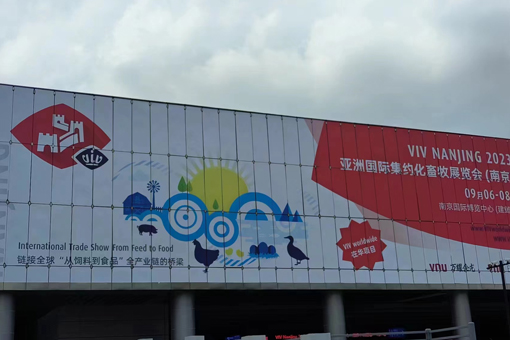
On September 6, 2023, the highly anticipated VIV NANJING 2023 was held at the Nanjing International Expo Center in China.
Extrusion — Post-conditioning and Drying/Cooling Technologies of Extrusion
2026-08-25
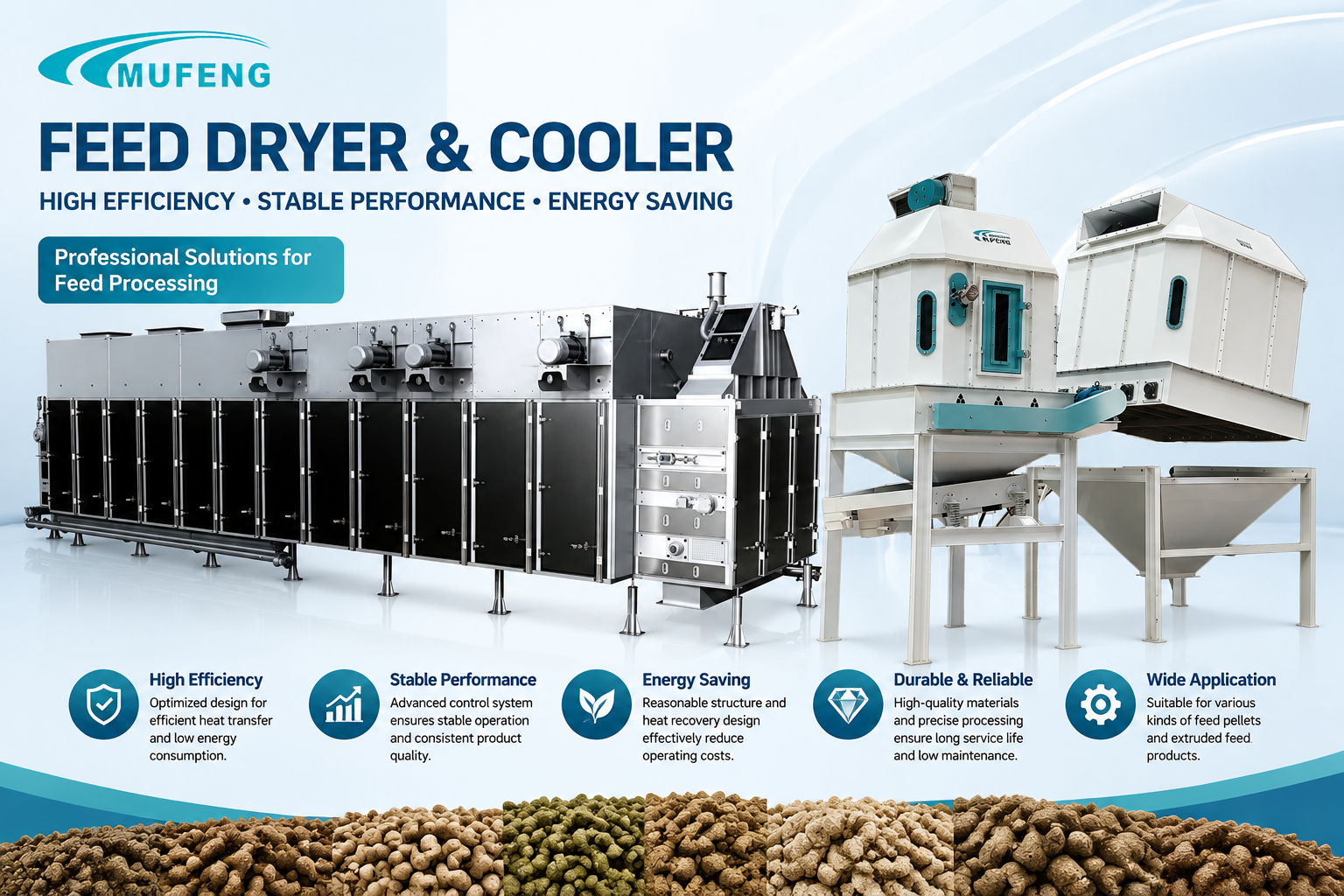
In the production process of expanded feed, good steam conditioning is essential to achieve the required temperature and moisture content, followed by post-conditioning to enhance hardness and gelatinization. Expanded products are initially subjected to high-temperature hot air (150–190°C) to reduce moisture without damaging nutrients, after which the temperature is lowered to prevent the Maillard reaction. The drying and cooling process, often integrated into a single unit, utilizes equipment such as horizontal dryers with conveyor belts or vertical dryers operating on counter-flow principles to ensure proper moisture removal and temperature reduction. To prevent quality deterioration caused by moisture migration, products must be effectively cooled before packaging, while operational best practices include controlling material thickness, ensuring uniform airflow, and adjusting residence times to suit specific product characteristics.
Combining Feed Quality Management with Production Process Technology to Enhance Feed Quality Control
2026-08-03
Effective feed quality control requires moving beyond passive post-production lab testing to actively understanding and monitoring production line process parameters; by mastering key metrics in mixing, conditioning, cooling, and screening, and implementing real-time verification and communication strategies, QC inspectors can predict risks early, prevent defects, and evolve from reactive "scapegoats" into proactive quality guardians.
Request A Quote
Complete control over products allows us to ensure our customersreceive the best quality prices and service.

    *

    *

    Production Line

    Production Capacity

    *Messages

    Related Products
    We are professional supplier of animal feed pellet production line, pet food production line and biomass pellet production line.
    Get A Free Quote

      *

      *

      Production Line

      Production Capacity

      *Messages

      x