
Pellet mills are still widely used in the production of shrimp and crab feed. Traditional feeds for white shrimp, Macrobrachium rosenbergii and freshwater prawns are still primarily produced using pelletisation processes. Meanwhile, in Central and East China, although extruded feeds for crayfish and crabs have seen significant development in recent years, pelletised aquatic feeds still hold a substantial market share. Furthermore, from the perspective of aquaculture farmers, it is easier to assess the quality of raw materials by inspecting the appearance of the pellets, which is why more farmers tend to opt for shrimp and crab feed produced using the pelletising process.
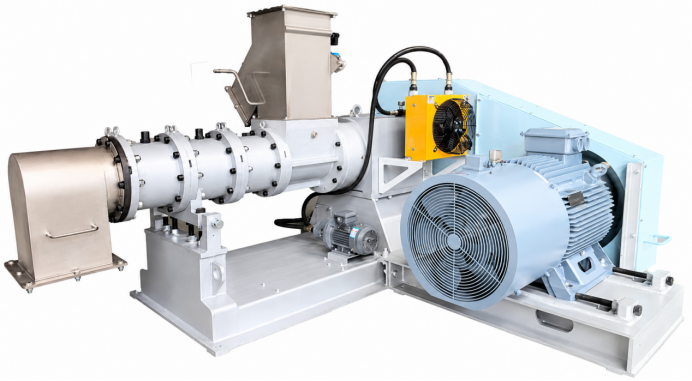
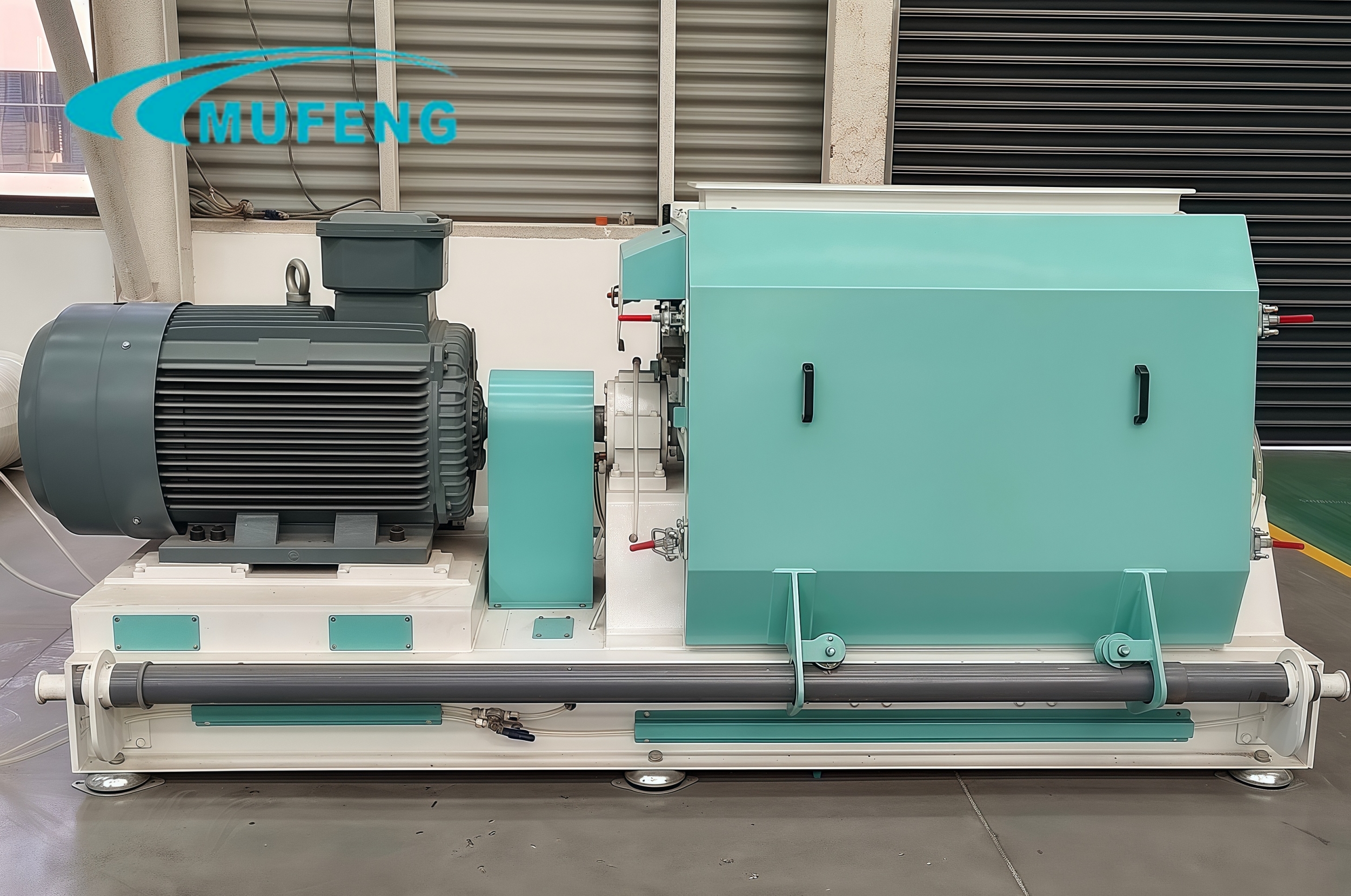
Figure 1: Mu Feng Specialised Conditioning Machine for Aquaculture Feed
Over the past two years, due to the continuous rise in raw material costs, new formulations have significantly increased the difficulty of processing pellets, which has directly hindered efforts to improve the quality of these aquatic feed pellets. Many factories face the problem of high powdering rates, whilst others struggle with insufficient stability in water.
Regarding the disintegration rate, after 7–8 drop tests, many factories can only achieve a disintegration rate of around 0.8‰; achieving a rate below 0.3‰ is difficult, and achieving 0.1‰ is virtually impossible.
At present, the conventional process for shrimp and crab feed involves conditioning using a multi-layer conditioning system combined with a retainer unit. The pellets produced by this process suffer from high powder content, production instability, frequent pellet ejection from the pelletiser, difficulty in raising conditioning temperatures, and operational challenges.
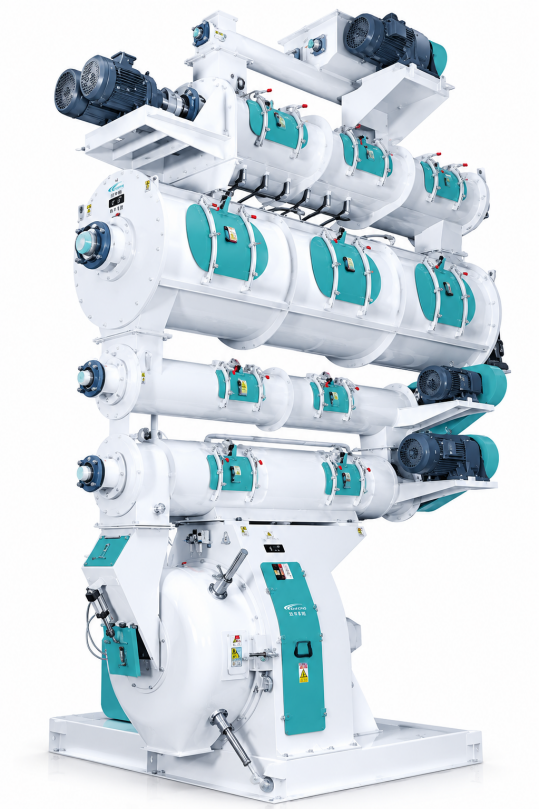
Figure 2: Preserver and shrimp feed pelletiser
To address this issue, some manufacturers have increased the number of retainers in the process from one to two, which has significantly extended the tempering time; however, the end result is that the powder content in the shrimp and crab feed has not decreased, whilst the operational complexity has increased considerably.
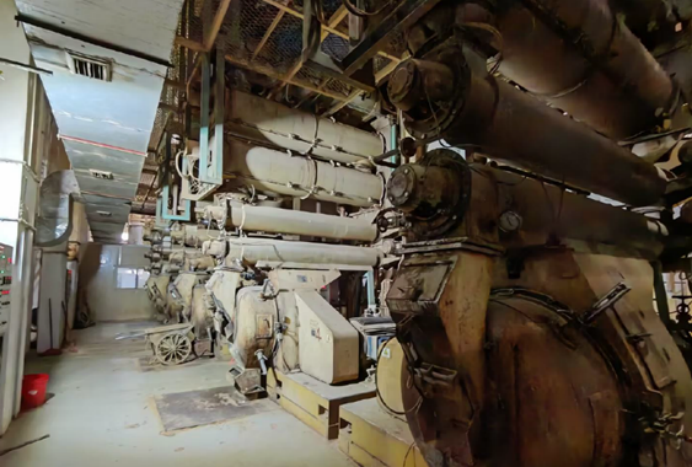
Figure 3: Shrimp feed pelletiser fitted with a two-layer retainer
The conditioning machine solution developed by XingMu specifically for aquaculture feed has been validated by numerous manufacturers in South China, East China and Central China. It can reduce the powderisation rate of 1.0 mm and 1.2 mm shrimp feed pellets to 0.1–0.2‰, with a well-formulated recipe capable of achieving a rate below 0.1‰, whilst significantly increasing production capacity.
Regarding production capacity, we have case studies in both the South China and East China markets demonstrating that the output of 530 and 600 pelletisers using 1.0mm ring dies to produce shrimp feed can be increased from the original 2.5–2.8 t/h to 3.2–3.5 t/h.
In the Central China market, for the production of crayfish pellets, production capacity can be increased from around 3 t/h to over 5 t/h.
The Xingmu conditioning unit solution allows the degree of conditioning of shrimp feed to be adjusted as required, typically within a range of 40–65%. Furthermore, the colour of the feed deepens and the bulk density increases by 25–50 g/l.
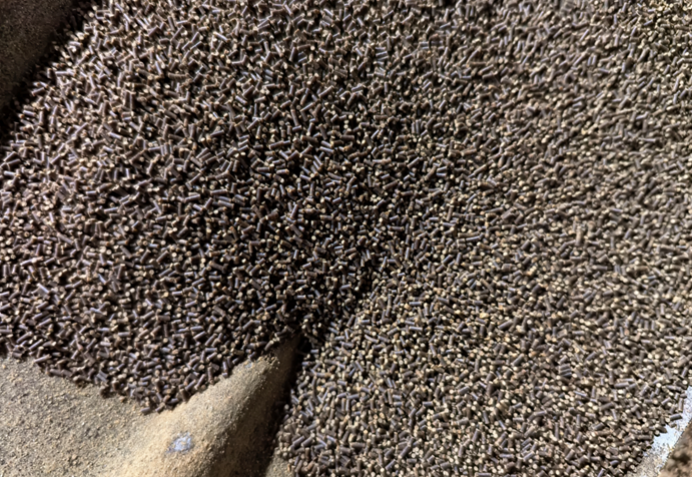
Figure 4: Shrimp feed processed using the Mu Feng conditioning machine (sample taken from the pelletiser outlet)
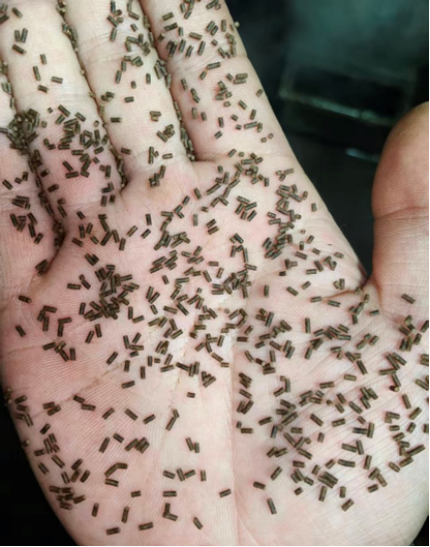
Figure 5: Mu Feng ageing machine: a powderisation rate of 0.1–0.3‰ is sufficient to ensure that the dough does not stick to your hands.
The configuration of the MuFeng conditioning machine process is also very straightforward: it simply involves removing the retainer(s) from the original process and replacing them with a conditioning machine. Whether there is one or two retainers, they must all be removed. Retaining even a single retainer would actually be detrimental to the uniformity of conditioning and moisture content in aquatic feed. This differs from the process used for livestock and poultry feed.
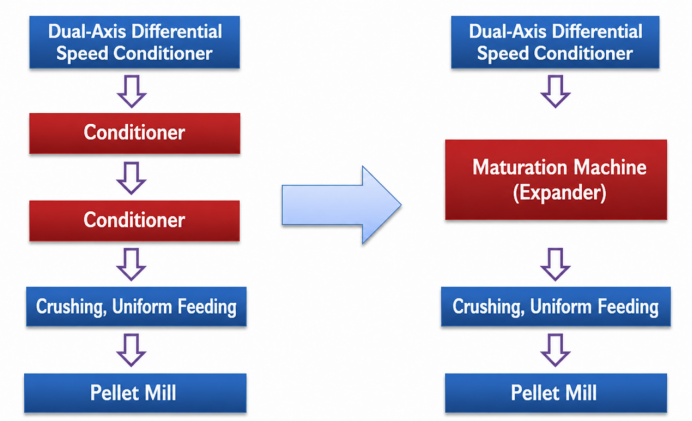
Figure 6: Modification process for the Xingmu conditioning machine
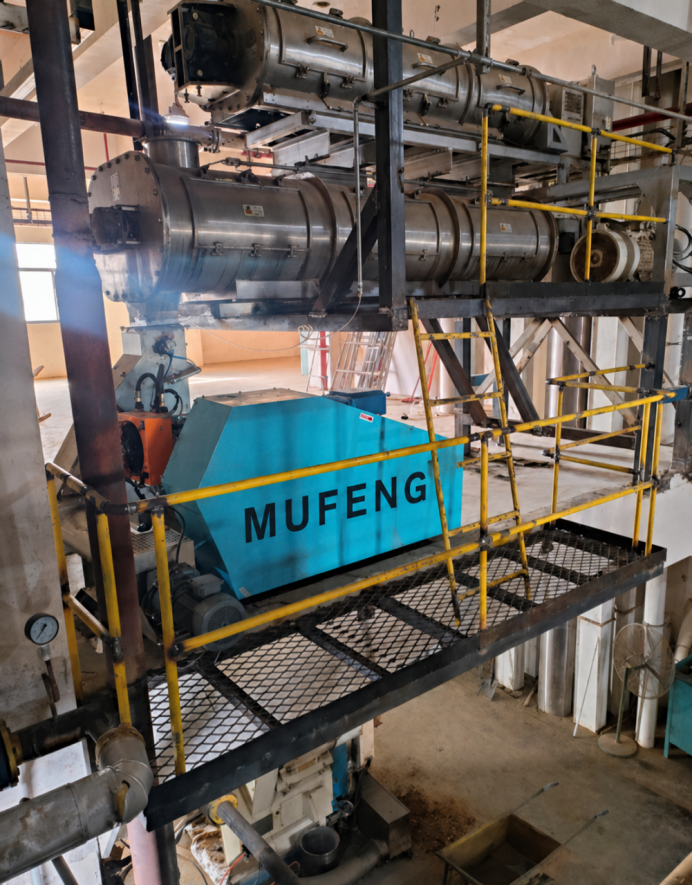
Figure 7: Process flow for the 600 granulator paired with the Mu Feng conditioning unit
The MuFeng Conditioning Machine is not a conventional expander, but rather an ‘integrated extrusion, conditioning and grinding machine’. This equipment has two main functions: firstly, the extrusion and conditioning function, which allows the settings to be adjusted to the required degree of conditioning depending on the material’s needs. Secondly, once the material has been conditioned, it enters a sealed environment for grinding, resulting in a sufficiently uniform particle size.
Only in this way can the material, measured by the ring die aperture size per unit volume, achieve uniform particle size, moisture content, temperature and conditioning.
Only in this way can pellets extruded from ring dies as small as 1.0 mm achieve consistent stability in water and a lower powder content.
Only in this way can the problem of a burnt taste caused by over-conditioning of some material when using standard expanders be resolved.
Only in this way can the issue of approximately 15% of the pellets having poor water stability due to inconsistent conditioning levels when using standard expanders be resolved.
Therefore, the greatest advantage of the Mu Feng conditioning machine is: uniform particle size, uniform moisture content, uniform temperature and uniform conditioning.
The second major advantage of the MuFeng conditioning machine is that it is a maintenance-free and hassle-free piece of equipment. There is no need to install or remove moulds when starting or stopping the machine; it requires no maintenance or upkeep. Just like a conditioner, it can be started or stopped at any time, greatly simplifying operation.
In the East China and South China markets, for the processing of feed intended for white shrimp, Macrobrachium rosenbergii and freshwater prawns reared in earthen ponds, whilst meeting the basic requirements of reducing powder content and enhancing the degree of conditioning, our production process generally focuses on maximising palatability and improving the aesthetic appearance of the pellets.
Conversely, for the production of feed for shrimp in small-scale net pens, we must ensure that feeding time does not exceed 60 minutes. Furthermore, we need to carefully control the palatability of the feed pellets to avoid both insufficient palatability and excessive palatability, which can prevent the shrimp from opening their ‘air heads’.
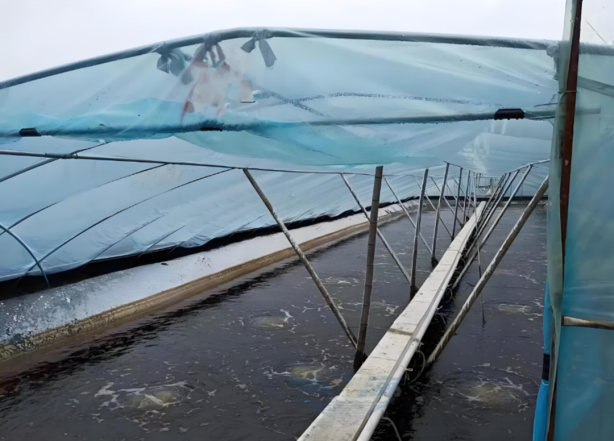
Figure 8: When feeding small-shrimp feed, care must be taken to ensure that the feed does not become clumped and cannot be dispensed.
“The gas head must not be opened” means that during the feeding of shrimp feed, factors such as overfeeding, excessively fine feed particles or the accumulation of uneaten feed must not be allowed to cause the decomposition and fermentation of organic matter at the bottom of the pond. This would release “gas” from the pond bottom, causing stress, floating at the surface or even death among the shrimp.
Furthermore, when processing feed for crayfish and crabs in the East China and Central China markets, the formulations have a lower protein content and the material exhibits poor flowability, whilst production capacity requirements are relatively high. To improve the uniformity of material down to the size of ring die apertures, specific requirements must be met regarding equipment configuration and production process parameters.