
Fluctuations in fishmeal prices and tight supply create persistent cost pressures for feed formulations. While a wide variety of protein sources can serve as alternatives to fishmeal, the challenge lies in determining the optimal substitution ratios and combinations, while avoiding any negative impacts on the growth, coloration, or intestinal health of fish and shrimp. This article—which focuses exclusively on ingredients available through the “Protein Feed Network” —outlines practical, tiered substitution strategies applicable to feeds for Pacific white shrimp (*Litopenaeus vannamei*), freshwater fish, and specialty fish species. All suggested substitution ratios are for reference only; conducting graded feeding trials is essential before implementing any changes on a large scale.
I. Tiered Classification of Fishmeal Alternatives
Tier 1: Animal Proteins and Fermented Microbial Proteins
1. Hydrolyzed Feather Meal
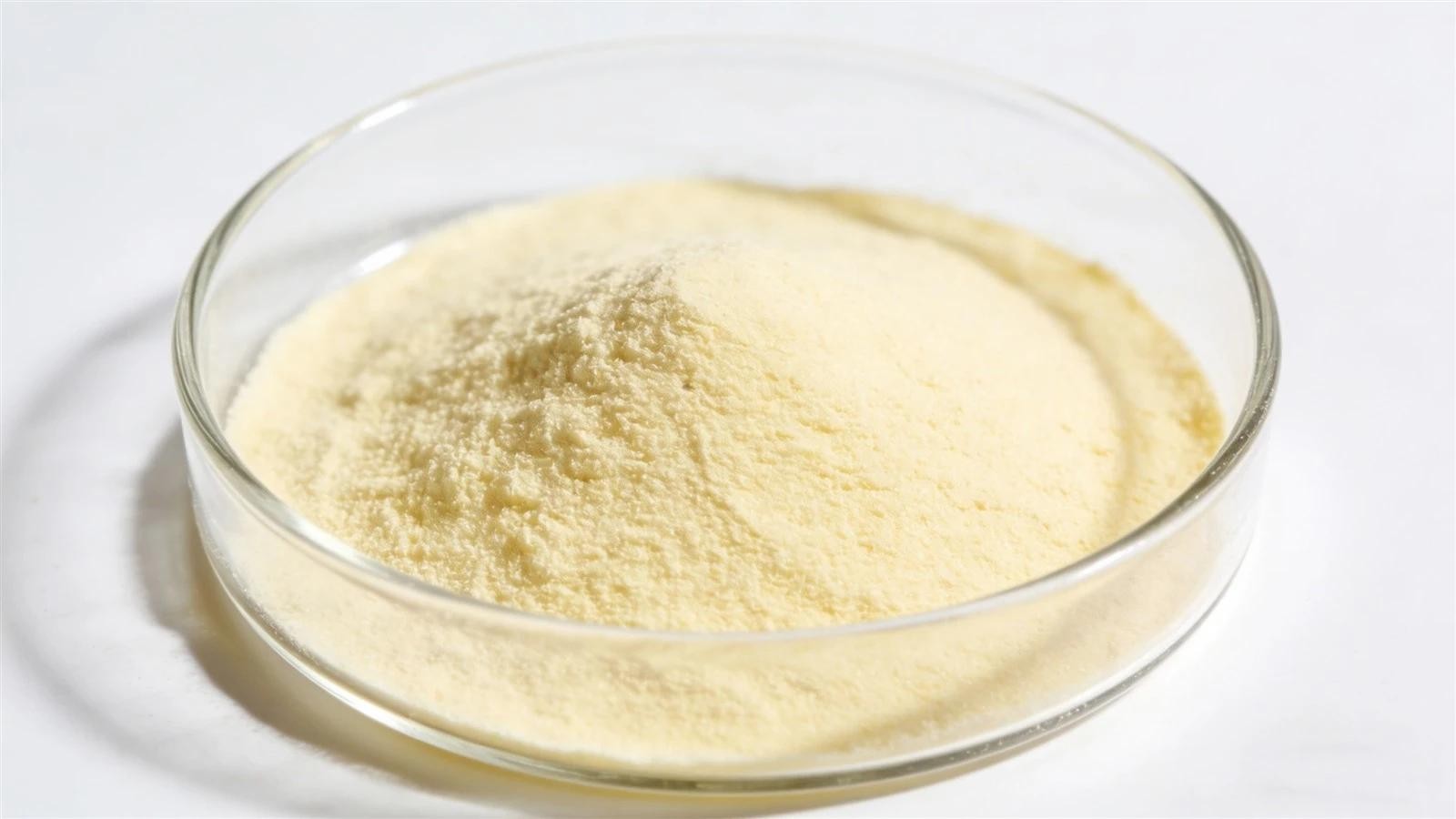
As an animal-based protein source, hydrolyzed feather meal is produced by breaking down the dense keratin structure of feathers. It contains approximately 85% crude protein and is notably rich in cystine, making it a cost-effective animal protein source. However, it has clear drawbacks: relatively low overall digestibility, and lysine acts as the primary limiting amino acid.
Trials involving low-fishmeal diets for Pacific white shrimp (*Litopenaeus vannamei*) indicate that enzymatically hydrolyzed feather meal can be safely included at levels up to 5% in shrimp feed (*Aquaculture Nutrition*, 2026). For warm-water fish species, initial trials can begin by replacing 10% of the protein derived from fishmeal [based on industry experience].
2. *Candida* Yeast Protein
This is a type of fermented single-cell protein. Its amino acid profile closely aligns with the nutritional requirements of aquatic animals. It naturally contains nucleotides and β-glucans, providing both essential nutrients and benefits for intestinal health. The maximum substitution level depends on the species and its growth stage: in diets for juvenile red swamp crayfish (*Procambarus clarkii*), it can replace 50% of fishmeal-derived protein, provided the total inclusion level does not exceed 12.2% (*Acta Hydrobiologica Sinica*, 2025). In trials with Atlantic salmon, safe substitution levels can reach up to 20% (PMC salmon study). High inclusion levels can lead to the shortening of intestinal villi; therefore, one should avoid using these ingredients at maximum recommended levels during the larval or juvenile stages [based on practical experience].
Second Tier: Fermented Proteins and Highly Digestible Plant Proteins
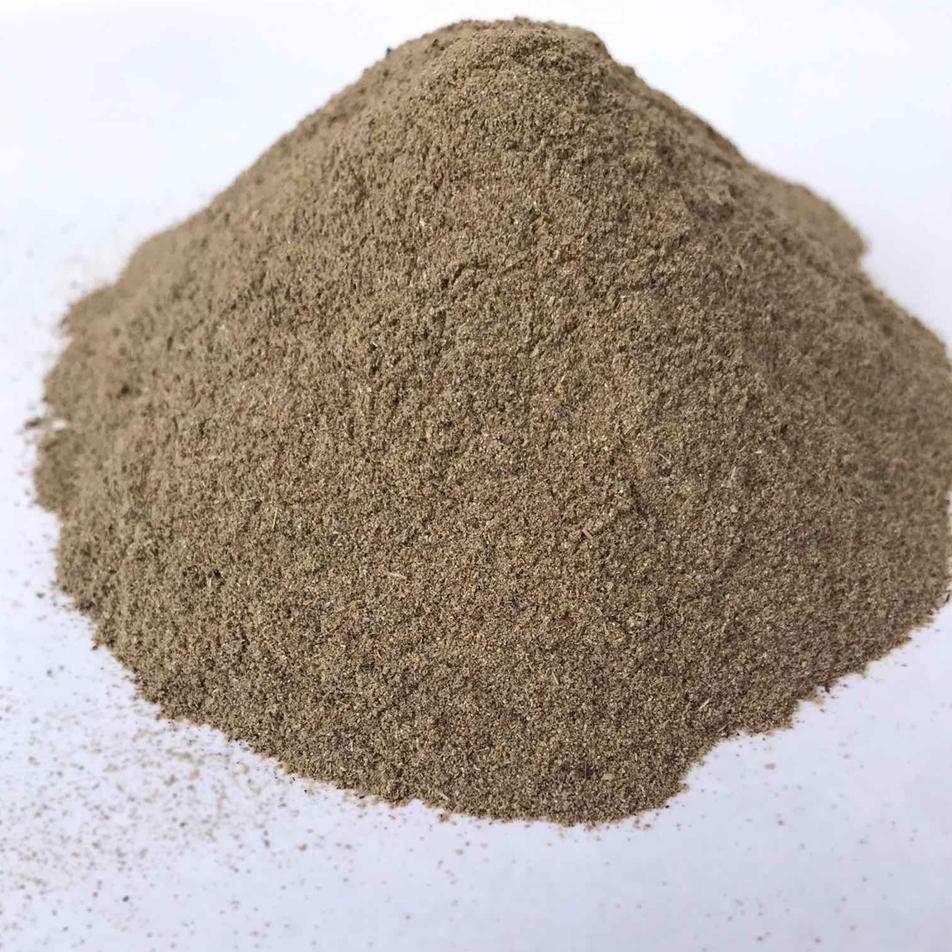
1. Glutamic Acid Residue (Glutamate Fermentation By-product)
As a fermented protein source, this ingredient is rich in free glutamic acid and flavor-enhancing nucleotides, offering excellent palatability and a significant protein content. Its primary drawback is the high variability in salt content; batches with high salt levels can increase the osmotic pressure burden on shrimp. When formulating for aquaculture, prioritize low-salt specifications [based on practical experience]. It is recommended to use this in combination with other ingredients to replace 10%–20% of the fish meal; the salt content of each incoming batch should be measured, and the inclusion level adjusted accordingly.
2. Germ Meal (Soybean Germ Meal)
This is a defatted plant-based protein source derived from germ. It contains higher levels of lysine compared to most other oilseed meals, has a lower crude fiber content, and offers better digestibility than standard oilseed meals. It is best positioned as a supplementary ingredient rather than a primary, large-scale replacement for fish meal. With relatively manageable levels of anti-nutritional factors, it is suitable for consistent, long-term inclusion to help balance the amino acid profile of the feed.
Third Tier: Supplementary Ingredients
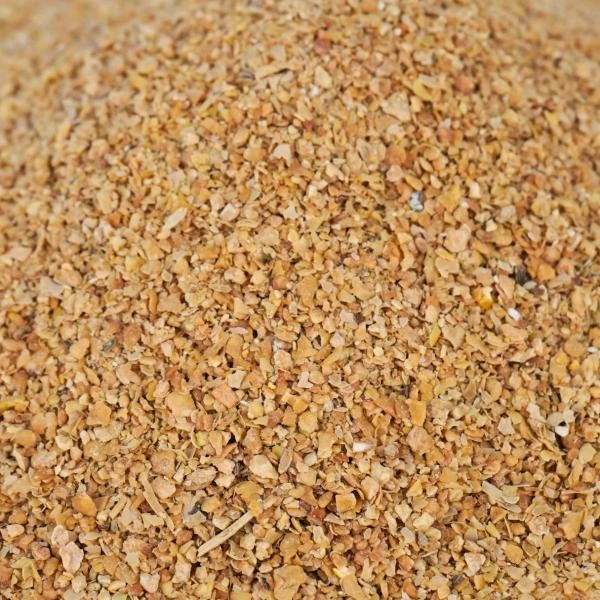
1. Sunflower Seed Meal
A plant-based protein source with low toxin levels and good palatability. It is suitable for inclusion in freshwater fish feeds at lower levels to optimize the overall protein structure and help manage feed costs [based on practical experience].
2. Extruded Rice Flour
Used as a binder and stabilizer in aquaculture feeds. Reducing fish meal content can often lead to an excess of fine particles, poor pellet stability, and high nutrient leaching in water. Incorporating an appropriate amount of extruded rice flour improves pellet formation and reduces leaching [based on practical experience].
3. Wheat Bran (specifically from Inner Mongolia)
Used to adjust the crude fiber content of the feed and assist in optimizing pelletizing characteristics. It works particularly well when combined with extruded rice flour [based on practical experience]. II. Substitution Strategies by Category (Reference Ranges)
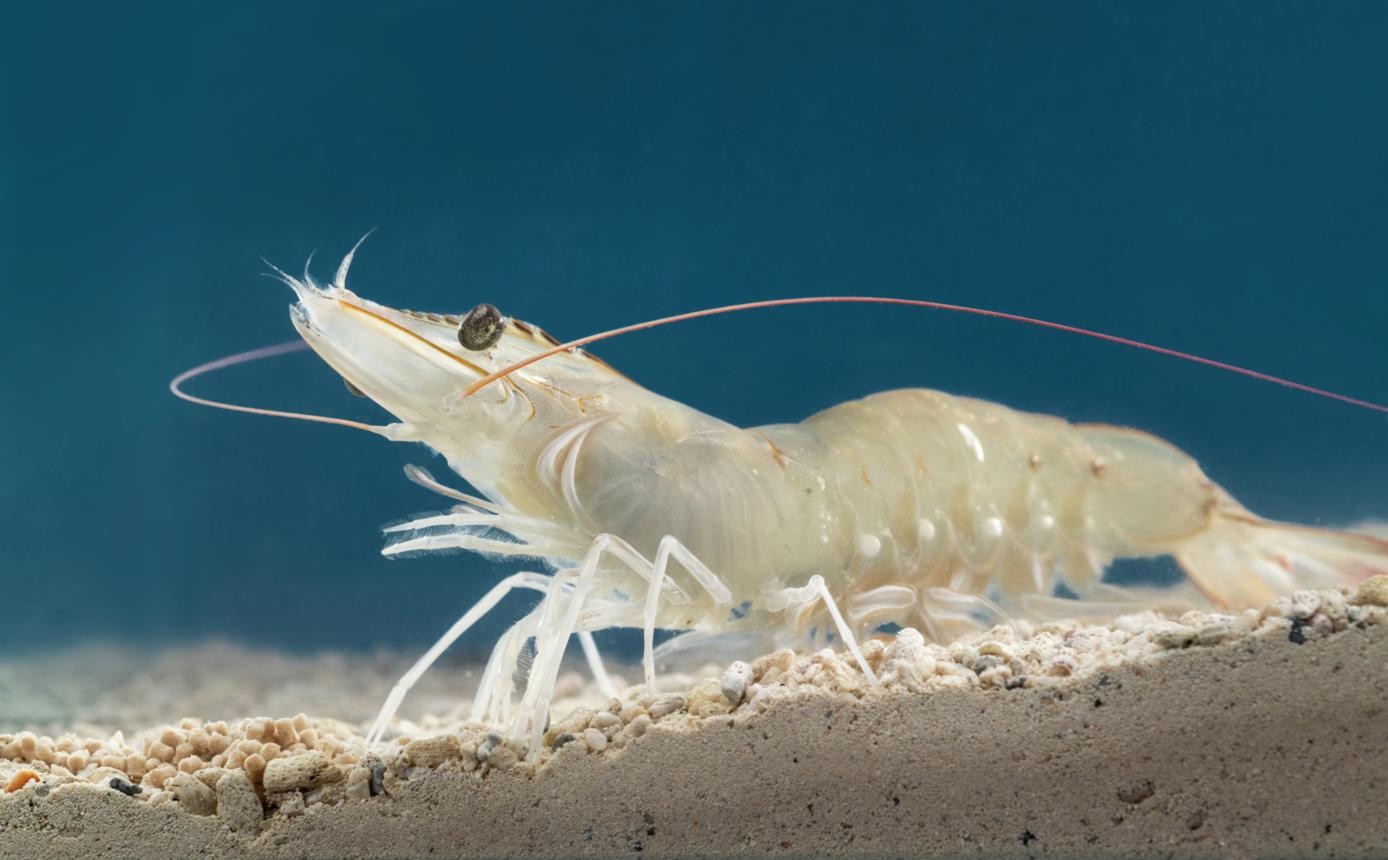
1. Feed for Pacific White Shrimp (*Litopenaeus vannamei*)
Combination: *Candida* yeast protein powder + hydrolyzed feather meal + extruded rice flour
Substitution Ratio: 10%–20% replacement of fish meal (based on empirical estimates). Hydrolyzed feather meal should not exceed 5% (the safe upper limit established in trials), and *Candida* yeast protein powder should be kept at approximately 12%.
Precautions: Avoid high-salt glutamate fermentation residue during the juvenile shrimp stage; ensure that various miscellaneous plant-based meals are not added in excessive amounts.
2. Feed for Freshwater Fish (Grass Carp, Common Carp, Crucian Carp)
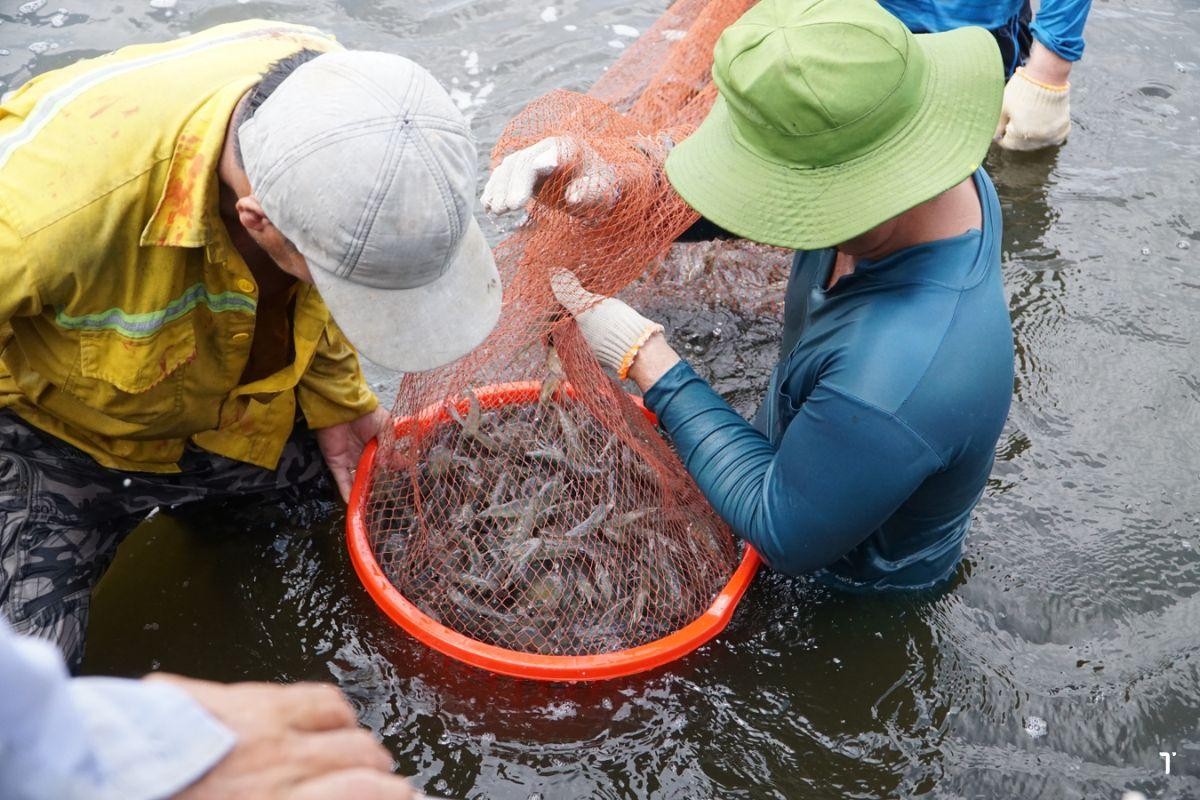
Combination: Hydrolyzed feather meal + glutamate fermentation residue + germ meal + extruded rice flour
Substitution Ratio: 20%–30% replacement of fish meal (based on empirical estimates). For warm-water fish, hydrolyzed feather meal can be used to replace an amount of fish meal protein equivalent to 10% of the total fish meal content.
Advantages: Balances feed palatability (attractant effect) with formulation costs. Growth performance should be monitored and verified through ongoing feeding trials.
3. Feed for Specialty Fish and Fry/Fingerlings
Combination: Primarily *Candida* yeast protein powder, supplemented with a small amount of hydrolyzed feather meal and extruded rice flour.
Substitution Ratio: 10%–20% replacement of fish meal (based on empirical estimates); for the fry/fingerling stage, use the lower end of this range.
Rationale: The digestive tracts of juvenile fish are delicate. High levels of yeast protein may cause intestinal irritation; therefore, a conservative approach to formulation is prioritized.
III. Core Principles for Substitution
1. Avoid replacing fish meal with a single ingredient. Every raw material has specific amino acid deficiencies; a combination of animal proteins, fermented proteins, and plant-based proteins is required to approximate the balanced amino acid profile of fish meal.
2. Safety takes precedence over cost. Fish and shrimp are highly sensitive to toxins, salt content, and anti-nutritional factors. Every incoming batch of raw materials must be tested for toxin and salt levels; one cannot simply assume that all raw materials are inherently safe.
3. Always conduct phased feeding trials. Increase the substitution ratio in a stepwise manner. Monitor feed intake, fecal condition, body coloration, and molting status over a period of 3–5 days; once the animals’ condition has stabilized, lock in the substitution ratio.
4. For the juvenile/larval stage, prioritize the use of fermented microbial protein, while strictly controlling the maximum inclusion level.
IV. Summary of Key Raw Materials
✅ Primary substitute ingredients: Hydrolyzed feather meal (a cost-effective animal protein source) and *Candida* yeast protein (a fermented microbial protein that supports gut health and provides protein).
✅ Complementary substitute ingredients: Glutamic acid fermentation residue (a potent attractant and source of supplemental amino acids) and germ meal (used to balance the protein profile in plant-based formulations).
✅ Formulation aids: Sunflower seed meal, expanded rice flour, and Inner Mongolian wheat bran (used to optimize the physical structure of the feed, improve pellet stability, and reduce nutrient leaching).
✅ Key application principles: Use a combination of ingredients, implement stepwise testing, prioritize low-salt raw materials, and strictly cap inclusion levels for juvenile/larval stages.
✅ Confirmed findings:
1. Hydrolyzed feather meal contains approximately 85% crude protein but has relatively low digestibility; for warm-water fish, it can be used to replace up to 10% of the protein derived from fish meal.
2. In low-fish-meal diets for *Litopenaeus vannamei* (Pacific white shrimp), the safe upper limit for hydrolyzed feather meal inclusion is 5%.
3. *Candida* yeast protein can replace 50% of the fish meal protein in diets for juvenile red swamp crayfish (*Procambarus clarkii*), with an inclusion rate of up to 12.2%; in Atlantic salmon trials, substitution levels have reached as high as 20%.
4. High-level substitution with yeast protein can lead to structural changes in the gut, such as the shortening of intestinal villi.
5. All raw materials mentioned in this text are available through the Protein Feed Network (蛋白饲料网); expanded rice flour will be added to the product catalog soon.
⚠️ Areas requiring further verification:
1. The 10%–30% substitution range (using a combination of ingredients) is based on general industry experience; it currently lacks supporting data from on-site aquaculture trials.
2. There are industry reports suggesting that fish meal can be replaced by up to 40% in rainbow trout diets and up to 50% in largemouth bass diets; however, as the original experimental studies have not been located, these figures are not included in the main text as definitive conclusions.
3. There is a lack of publicly available, specialized experimental data regarding the precise replacement ratios for glutamate residue, germ meal, sunflower seed meal, and expanded rice flour.
4. The actual performance of raw materials is influenced by the levels of toxins and salt content in each specific batch; therefore, practical application should be based on the test results for the particular batch in use.
Confidence Index: 6/10 (Data for feather meal and *Candida* yeast protein are supported by traceable experimental studies; the ratios for other ingredients are based on industry experience, and the composite replacement ranges for shrimp feed require further validation through actual feeding trials.)