
High Quality Shrimp Feed Solution

DATE : Apr 12th, 2026
Read :157

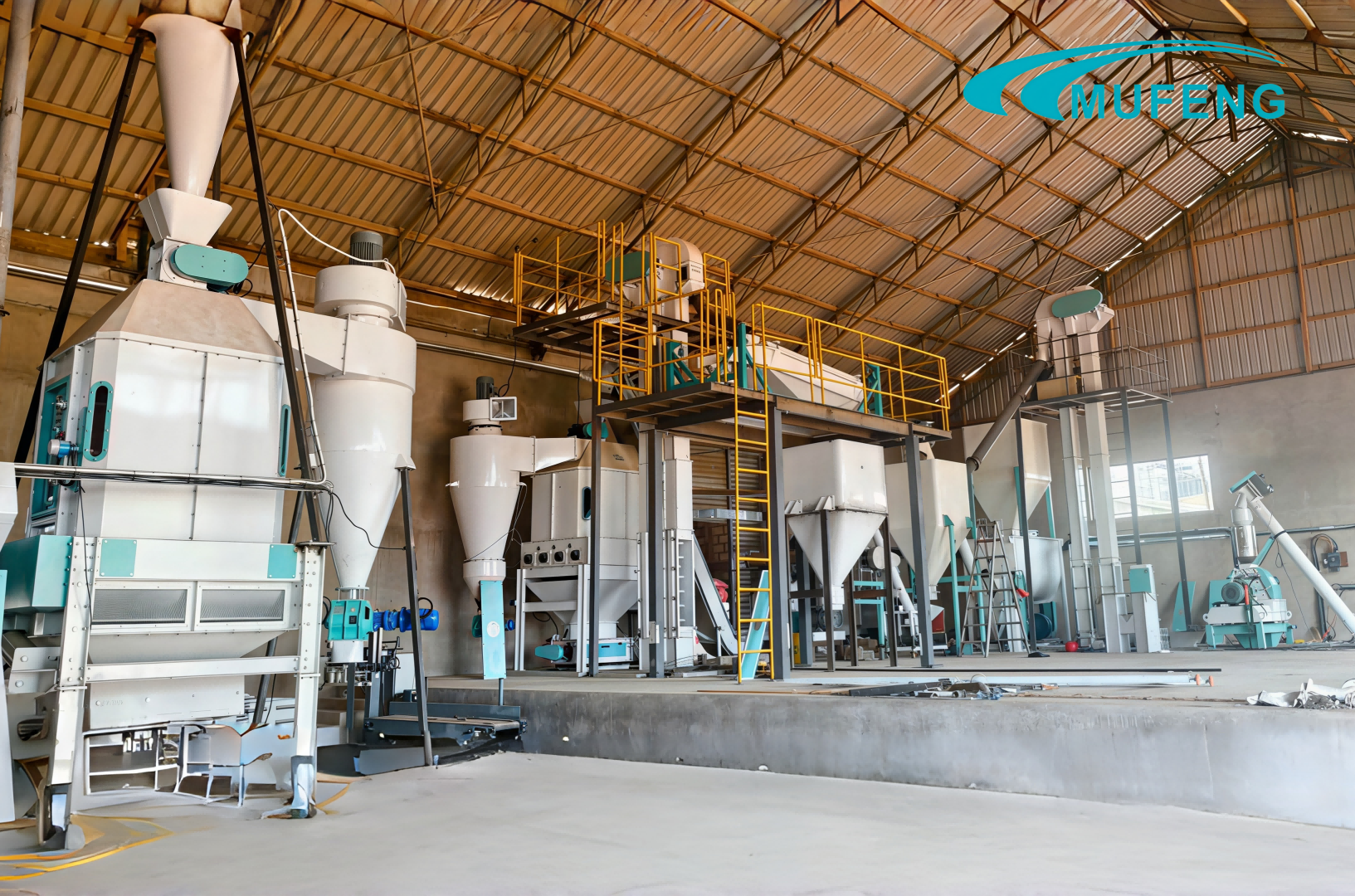
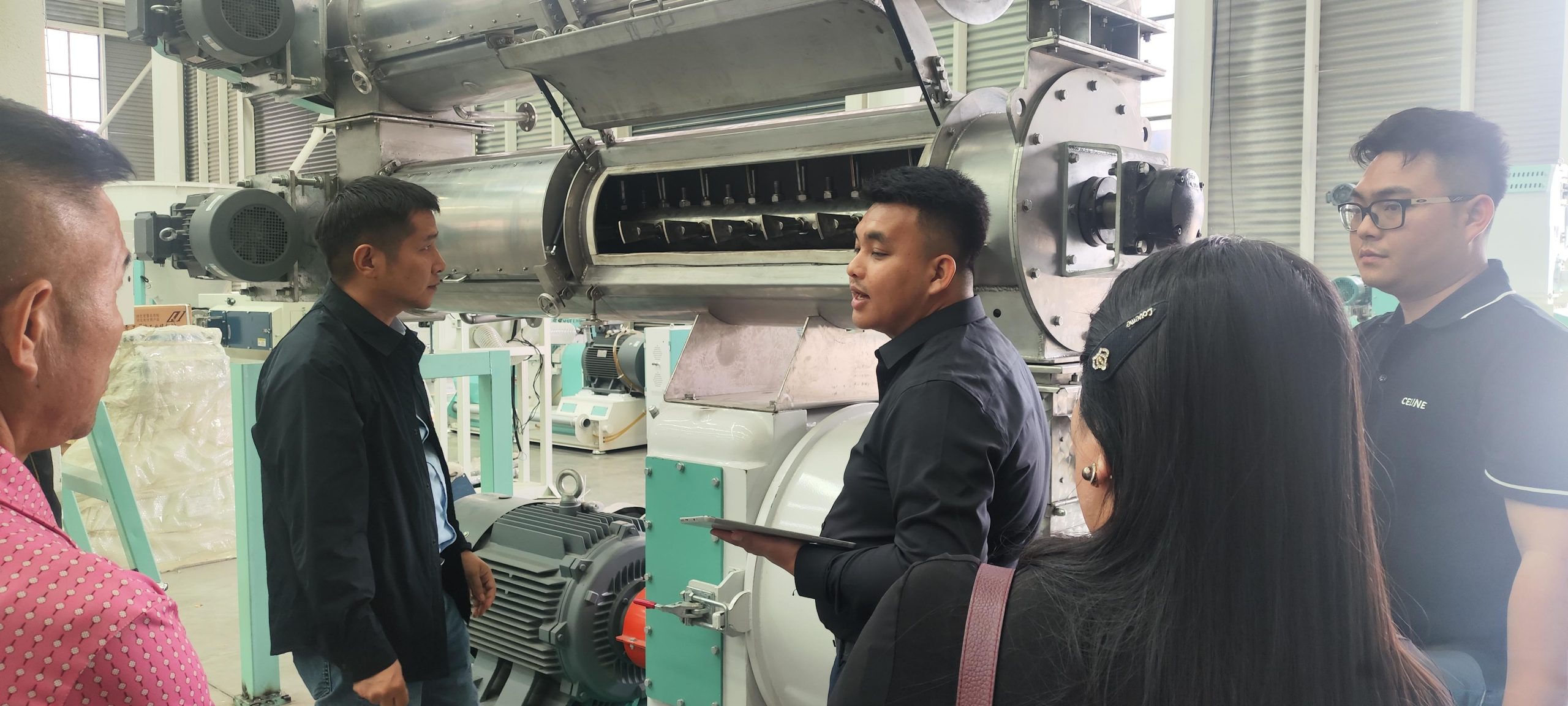
Currently, the pain points of shrimp feed products are high powder content, poor water stability, and irregular particle lengths. Mufeng has newly launched an expansion shrimp feed process, which is essentially different from traditional conditioning. Among them, expansion conditioning increases mechanical energy input: under a certain pressure, the material undergoes strong extrusion and kneading, causing changes in the physical and chemical indicators of starch, protein, fat, etc., in the feed. According to the results feedback from application cases, using the expansion pretreatment process to produce shrimp feed has several advantages:
  1. Excellent Water Stability

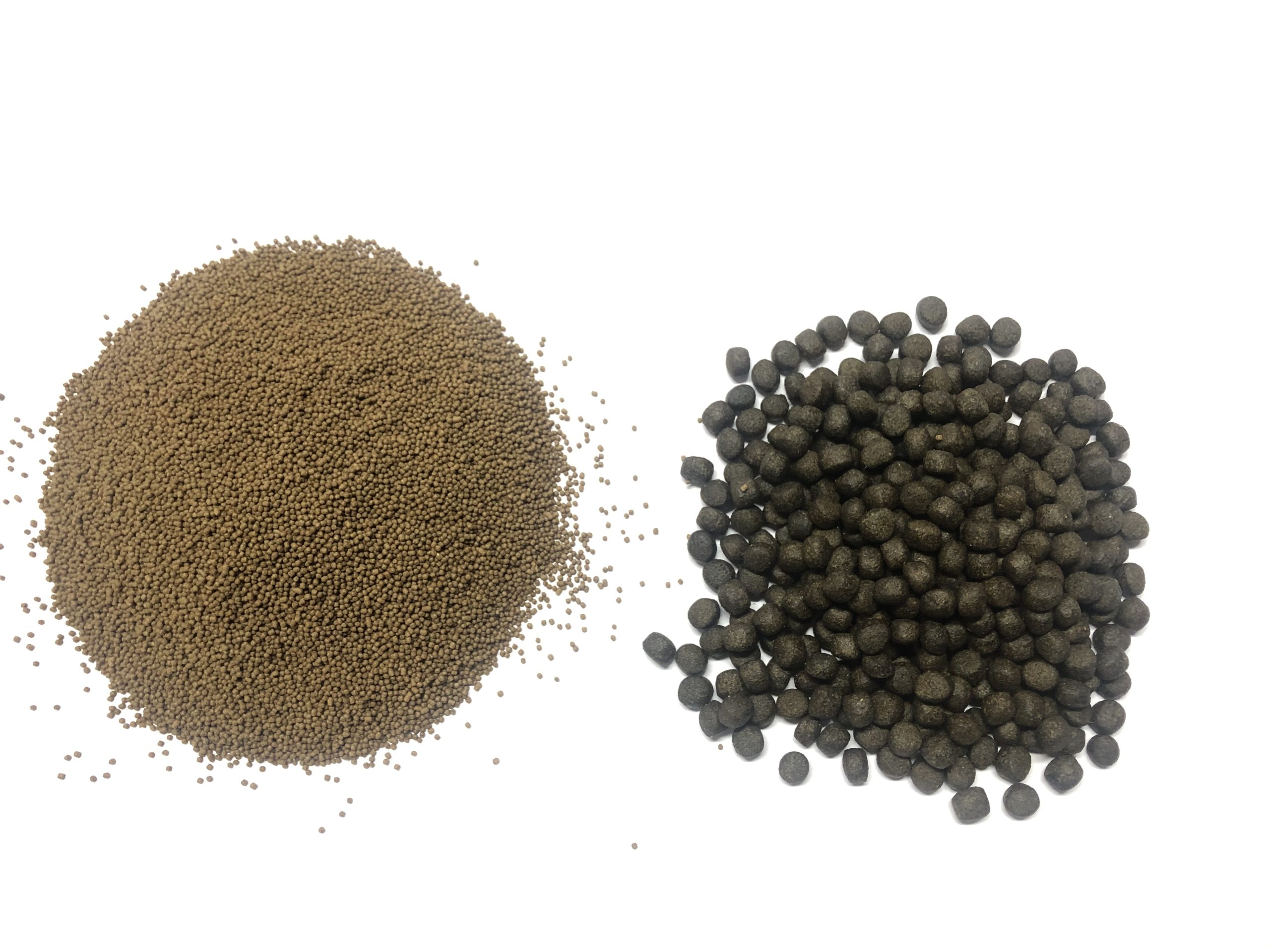
Expansion pelleting improves starch gelatinization, which is conducive to digestion and absorption; meanwhile, it has better adhesive properties, improving the particle quality and making the particles more water-stable, thus avoiding feed deposition and waste, as well as water eutrophication. In addition, the expansion system configuration produces finished pellets with a smoother surface, flatter cutting edges, and more stable water stability compared to the standard conditioning configuration.


  1. Extremely Low Powder Content

After process optimization application, the powder content is controlled at 0.05%.


  1. 10–30% Production Capacity Increase

Compared with the traditional process, the pelletizer operates more stably, with lower current, less head material, fewer slipping times, and lower pressure on returned material; labor costs can also be reduced.


  1. Conducive to Formula Expansion and Raw Material Cost Reduction

It expands the application range of cheap raw materials, reducing the cost of raw materials.


Share:
Related News
Vietnam Exhibition Shines Brightly: Henan Mufeng Leads The New Trend Of Feed Machinery
2025-10-08
From October 8th to 10th, 2025, the Vietnam International Poultry, Livestock, and Fisheries Exhibition will be held grandly in Vietnam. The exhibition venue is crowded with people, and companies from all over the world will showcase their latest achievements in the field of agriculture, animal husbandry, and fisheries. Henan Mufeng Intelligent Equipment Co., Ltd., as a professional enterprise specializing in the production of animal feed production line equipment, shone brightly at this exhibition and attracted much attention.
Extrusion Processing Technical Process: Common Operational Problems of Single-Screw Extruders During Operation
2026-04-15
Causes of Material Backflow to Extruder Feed Inlet Several factors may cause material to backflow into the extruder feed inlet, all of which ultimately stem from a reduction in the extruder's conveying capacity. The specific factors are as follows:a) Feed rate exceeds the maximum throughput capacity of the extruder screwIf the feed rate exceeds the screw’s handling capacity, material will eventually backflow to the extruder feed inlet. For single-screw extruders, theoretically, increasing the screw speed can enhance this throughput. However, the extruder’s transmission components, such as the gearbox, limit a significant increase in screw speed. Before drastically changing the screw speed, the adjustable range should always be verified.b) Excessive steam injectionWhen the steam injection rate is 1-4% of the dry material handling rate, it has no impact on the screw’s conveying capacity. If the injection rate exceeds this range, the injected steam may block material passage through the steam injection zone, leading to backflow to the feed inlet. Reducing the steam injection volume resolves this issue.c) Excessive resistance during extrusion processingHigh resistance is often caused by structural resistance of the screw before the die head or excessively small die plate perforation area. A sudden increase in resistance can be observed through the pressure reading before the die head, which causes over-filling of the extruder barrel and thus backflow. Increasing the die plate opening area solves this problem.d) Wear of screw elements and barrel linerWorn screw elements severely reduce conveying capacity. For example, a bald leading edge of the screw flight increases leakage flow, which raises barrel filling and eventually causes backflow. A worn or partially worn barrel liner also lowers screw conveying capacity, possibly leading to feed section blockage.
How to Reduce Energy Consumption of Feed Pellet Mills?
2026-04-16
The core of reducing energy consumption of feed pellet mills lies in optimizing raw material pretreatment, equipment parameters, and operation & maintenance, starting from reducing pelleting resistance and improving energy utilization efficiency. Specifically, it can be implemented from the following 4 key dimensions: 1. Optimizing raw material pretreatment: 2. Setting pelleting parameters reasonably: 3. Strengthening equipment maintenance: 4. Adopting energy-saving technologies and equipment:
Get A Free Quote

    *

    *

    Production Line

    Production Capacity

    *Messages

    x