
Analysis of Causes for Reduced Hammer Mill Capacity and Corresponding Solutions
The main approach for us to analyze the causes of reduced hammer mill capacity is:
1)Inspect the materials to be crushed;
2)Check the screen apertures;
3)Inspect the installation of the screen mesh;
4)Check the position of the feed guide plate;
5)Check the pulse jetting of the dust collector’s solenoid valve and inspect the filter bags;
6)Check the configuration of the dust collector’s fan;
7)Check the hammer-screen gap and wear status;
8)Check the wear status of the screen pressure plate;
9)Check the hole arrangement and opening rate of the screen mesh;
10)Check the air supply damper of the supporting impeller feeder;
11)Check if there is air leakage in the settling chamber (especially in the pneumatic conveying system);
12)For the secondary crushing process, inspect the formula materials and oil content.
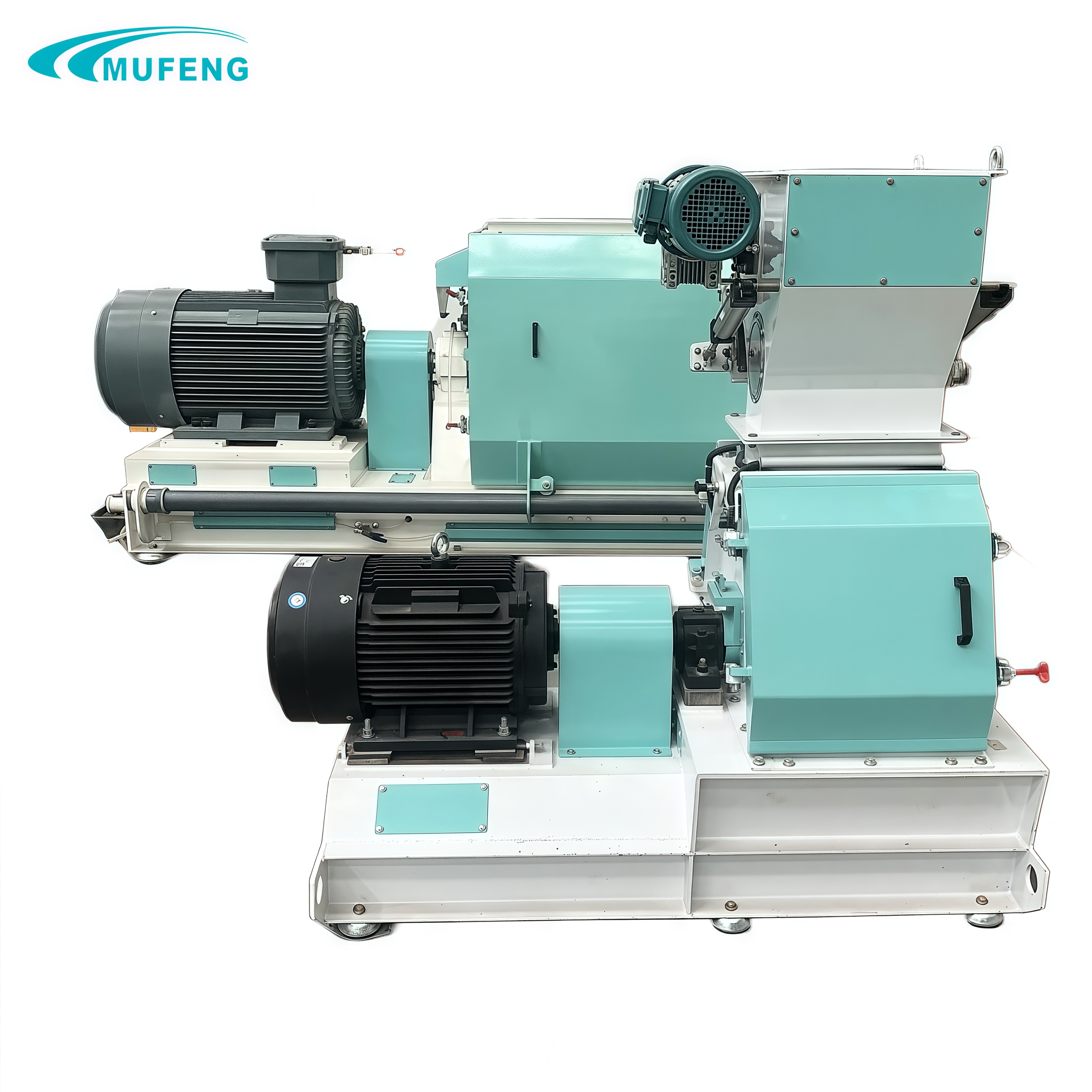
01 Check if the aperture, hole arrangement, and installation of the screen mesh are correct
02 Check if the pulse jetting of the dust collector’s solenoid valve is normal and if the filter bags are clogged
Solutions: Troubleshoot solenoid valve issues and replace the dust collector’s filter bags.
To check solenoid valve diaphragms, here’s a method: place your hand near the exhaust port next to the solenoid valves. Hold valve 1 with one hand and valve 2 with the other—if air comes out of valve 1 when it is jetting, it indicates valve 1 is working properly. If valve 2 leaks air (you feel air escaping from valve 2’s exhaust port) while valve 1 is jetting, the diaphragm of valve 2 is damaged.
03 Check if the feed guide plate’s orientation matches the main machine’s rotation direction (for irregular particle shapes)
Solution: Adjust the orientation of the feed guide plate.
If the main machine rotates clockwise, the guide plate should align with its tangential direction. If you adjust the guide plate’s orientation, you must also adjust the main machine’s rotation direction to counterclockwise.
04 Check if the hammer-screen gap is appropriate and if the hammer tips are severely worn
Solutions: Adjust the hammer-screen gap and replace worn hammer tips.
An inappropriate hammer-screen gap reduces capacity—for example, a large gap is generally used for crushing corn.
05 Check if the air supply damper of the supporting impeller feeder is not open or has an improper opening degree
Solution: Adjust the air supply damper of the impeller feeder.
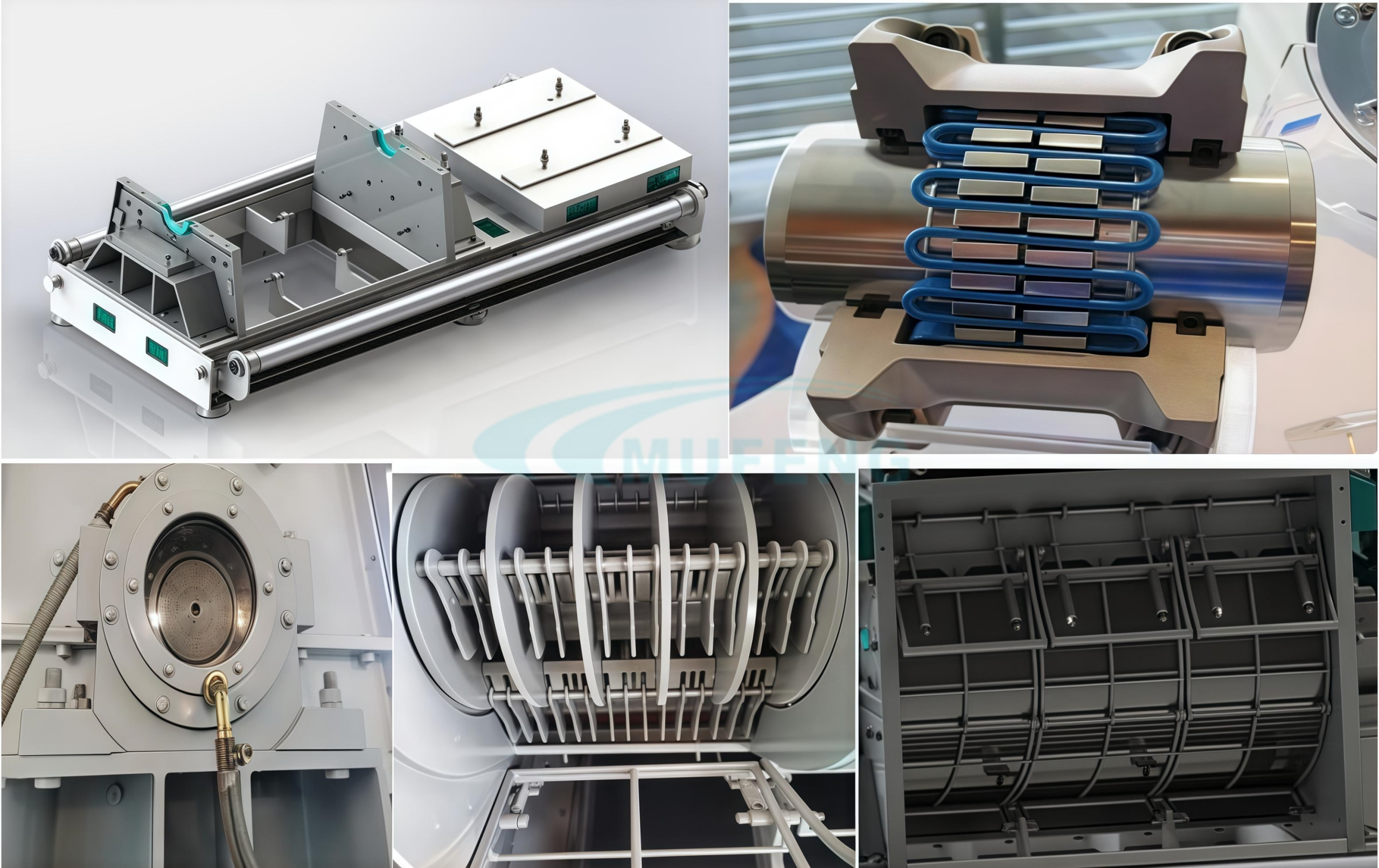
06 Check if there is air leakage in the settling chamber
Solution: Seal air leakage points (especially in the pneumatic conveying system) with foam sealant.
To check for issues, inspect the material in the auger for overheating (a sign of over-crushing) or touch the settling chamber with your hands to feel for air drafts.
07 Check the dust collector’s fan configuration and if the fan’s rotation direction is wrong
Solution: Adjust the fan’s rotation direction.
This is crucial—if the fan motor has been repaired and reinstalled, always double-check the fan’s rotation direction.
08 For the secondary crushing process
Solution: Adjust and optimize the formula, and control the oil content of materials to be crushed.
If the mill is used for secondary crushing, first check if the materials have undergone primary crushing. Also, check if oil has been added during secondary mixing—oil content exceeding 5% will significantly reduce mill capacity, as high oil causes severe screen aperture clogging. Additionally, check if ingredients like silkworm pupae (which are relatively difficult to crush) are included; if so, optimize the formula and control oil content to ≤5%.
09 Check if the screen pressure plate is severely worn
Solution: Replace the screen pressure plate and related accessories.
Worn pressure plates that are not replaced promptly will cause screen displacement and increase both the gap between pressure plates and the hammer-screen gap, reducing capacity. Also, do not overlook accessory replacement—damaged parts can cause material leakage at the mill’s bottom, which is often ignored.
10 Check if the moisture content of materials to be crushed exceeds the standard
Solution: Improve the moisture control of materials. Changes in raw material moisture are generally the primary cause of capacity decline.