The dust problem in the feed processing process is the focus of the safety production and environmental protection work of the feed factory. And it is understood that when the feed factory produces and processes raw materials, different amounts of dust will be generated in different processes, such as material transportation, mixing, crushing, screening, packaging and other production links. Today, the editor will share with you the dust generation points in the feed processing workshop.
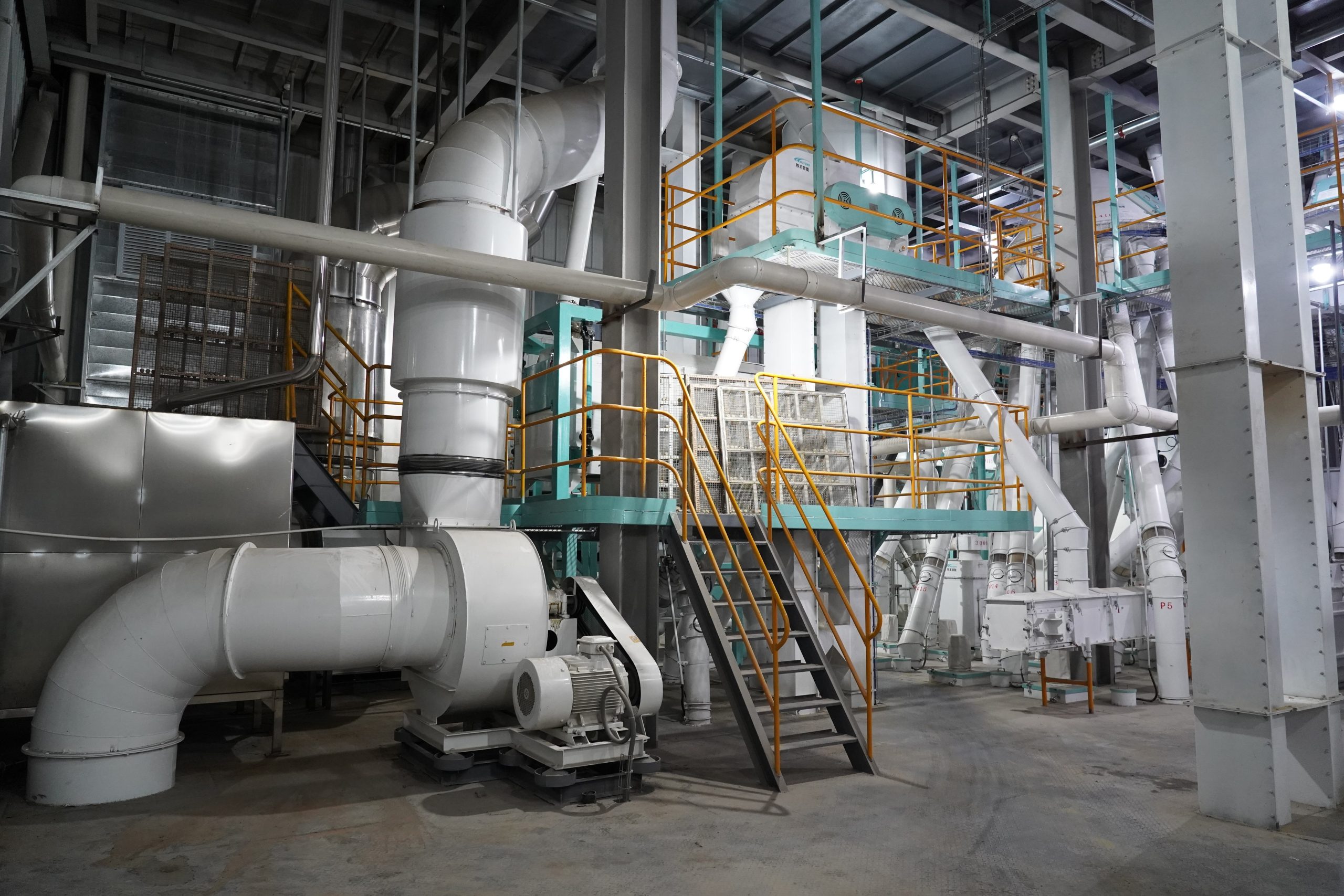
Dust Generation Points In Feed Processing Workshop:
- Feeding port: Most of the raw materials in feed factories are manually poured into the feeding port by bag materials, which easily generates a lot of dust during the feeding process. Therefore, a small vacuum can be set up at each feeding port and placed directly on the dust removal cover of the feeding port. This can be used as a dust suction for feeding and as a suction for the base of each feeding elevator, so as to achieve feeding, dust removal and recycling at the same time.
- At the pulverizer: If the pulverizer uses mechanical discharging, a pulse dust removal device can be installed at the opposite end of the discharging auger, which has both dust removal and air suction functions. Note that the auger outlet should be closed during installation to prevent air leakage. The pulverizer inlet can have a second entry to ensure that the pulverizer has enough air volume to pass through the pulverizing chamber when pulverizing at different holes, and also solve the problem of air blockage of the air blocker, improving the reliability of the system. This method is also suitable for the current feed factory’s modification project of the suction system process of the defective pulverizer auxiliary materials.
- Small material addition: Small materials need to be added separately in the mixer because of their small quantity. This part of the material has fine particle size, and although the quantity is small, it is still easy to cause dust to fly. For small feed mills, a dust removal point can be set here; for large and medium-sized feed mills, a vacuum dust collection system or a central dust collection system can be set up. This can not only avoid cross contamination in the combined wind network, but also allow the sucked powder to be directly returned to the mixer, preventing the loss of small materials, thereby effectively ensuring the quality of the feed.
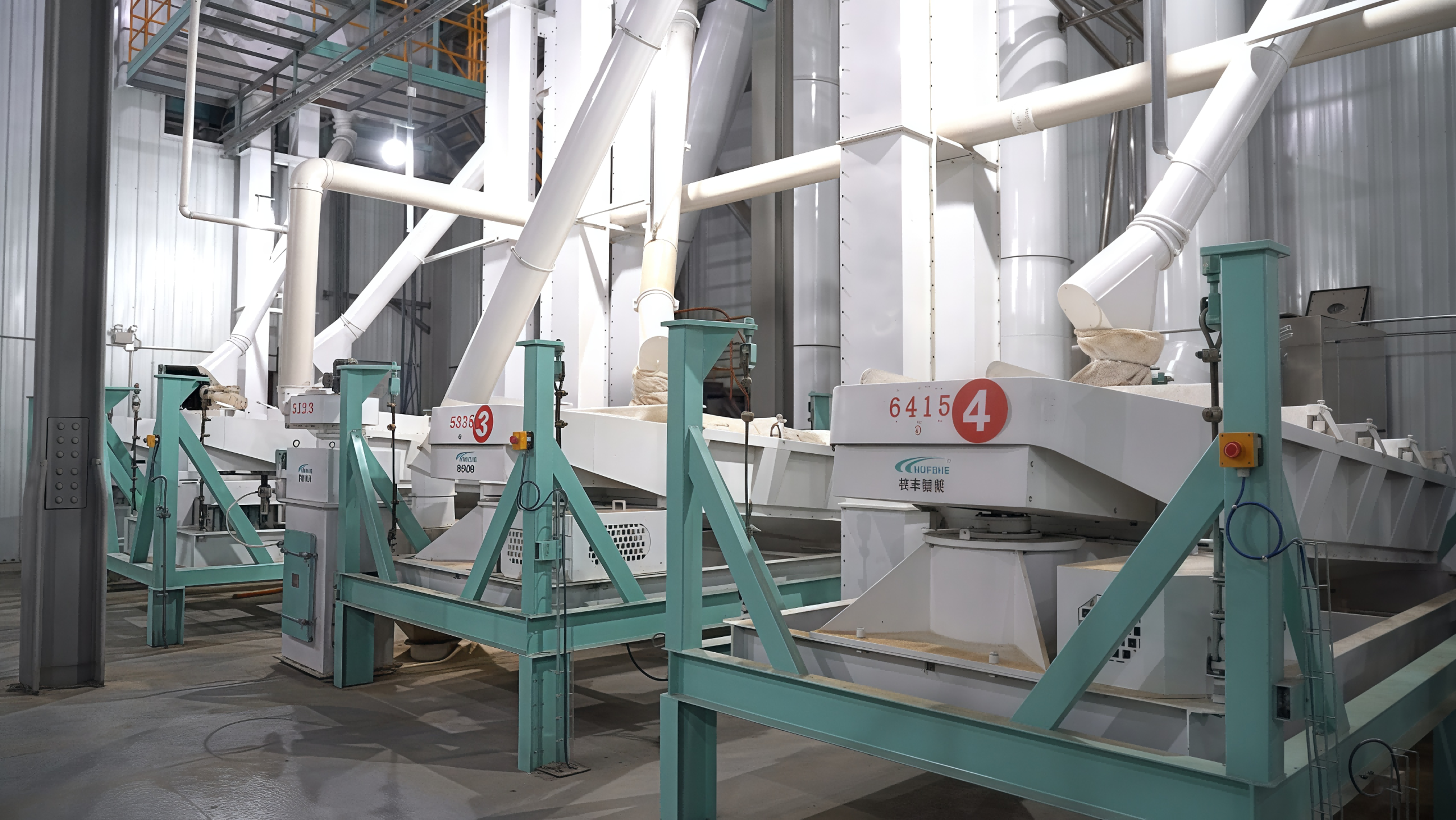
- Silo group: Large and medium-sized feed mills have high silos, which cause dust to fly when materials enter the silo. Negative pressure facilities should be set up to deal with it. For the combined silo group, it is impossible to set up dust collection equipment for each silo. The selection of dust collection points should be determined according to the specific location, but the upper part of each silo should be connected. The dust collection points set up collect the dust raised from each silo through the upper space. The general practice is to set one point in the crushing bin, two points in the batching bin, one point in the granulation bin, and one point in the finished product bin, and combine them into their respective dust removal wind nets. The suction volume can be determined according to the size of the bin, and then a suitable vacuum dust collection system is configured.
- Bucket elevator: In the machine structure below 10,000 tons, suction is generally carried out at the head, that is, the discharge point, to prevent dust from flying. For large and high elevators, suction should be carried out at the feeding and discharge points at the same time, and incorporated into the combined wind net to reduce the length of the wind net and reduce the resistance along the way. The specific design can be handled separately, that is, the suction of the head can be combined in the centralized net, and the suction of the base can enter the adjacent division device respectively.
- Other places: In the raw material cleaning, cooler and finished product packaging, suction points should also be designed according to needs and incorporated into the combined wind net. We know that dust itself is non-toxic, but when it mixes with air to a certain extent, it will cause dust explosion when encountering open flames. People who are in an environment containing a lot of dust for a long time will seriously affect their health. Dust falling on equipment will affect operation and may also cause electrical equipment to malfunction and cause accidents.
Therefore, effective measures must be taken to control dust in feed mills. The main tasks of dust control include the layout and design of dust removal air network system, the selection of vacuum cleaning equipment and daily equipment management.