
一、Introduction
In modern animal husbandry, feed quality is one of the key factors affecting animal growth performance. Feed grinding fineness, a crucial step in feed processing, not only affects feed physical properties, such as particle size and uniformity, but is also closely related to animal digestion and absorption. Appropriate grinding fineness can improve feed nutritional value, promote animal growth, and reduce breeding costs. Conversely, inappropriate grinding fineness can lead to decreased feed utilization, stunted animal growth, and even health problems. Therefore, in-depth research on the grinding fineness requirements of different feeds and the impact of different grinding finenesses on animal growth performance is of great practical significance.
二、Requirements of different feeds for grinding fineness
2.1 Pig feed
2.1.1 Piglet stage
Piglets have an immature digestive system and are less able to digest feed. Specialized pelleted or crumbled feeds are more suitable for the suckling pig stage. If a compound pre-powder is used, a higher grinding fineness is required. Professional suckling pig feed factories typically use grinders with a screen aperture of 0.8-1.0 mm, resulting in an average particle size of approximately 0.6-1.0 mm. Research indicates that a particle size of 600 microns or less is optimal for piglet feed. Based on multiple studies and considering the characteristics of piglets, it is recommended that the particle size of key ingredients such as corn and soybean meal be 0.6-1.0 mm, not exceeding 1.5 mm. For example, in actual piglet farming, grinding corn and soybean meal to approximately 0.8 mm results in better digestibility and absorption by piglets, reducing the incidence of digestive issues such as diarrhea.
2.1.2 Growing and finishing pigs
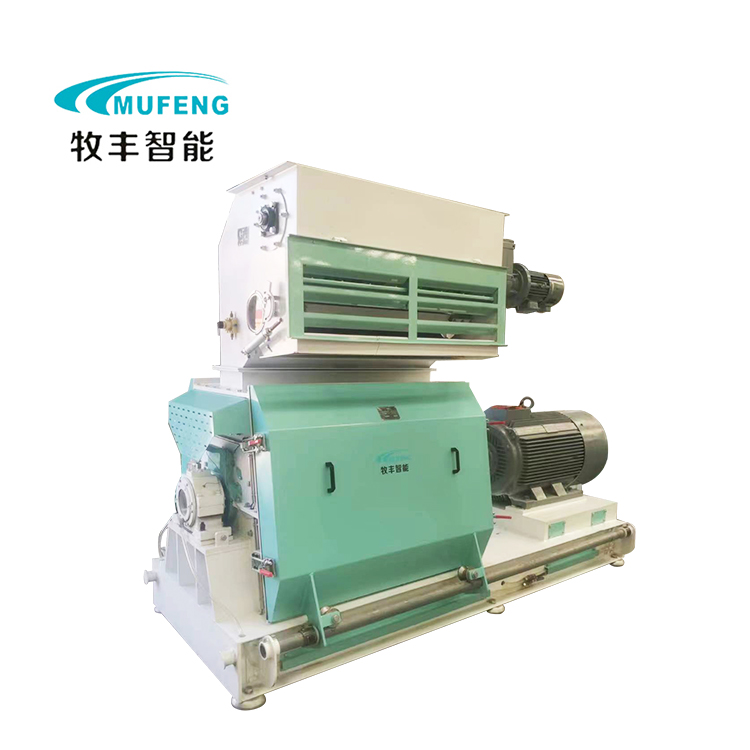
While the digestive systems of growing and finishing pigs mature, they still require an appropriate feed grinding fineness to improve feed conversion. Research has shown that, within a certain particle size range, feed conversion, or weight gain efficiency, improves as grain particle size is appropriately reduced. When feeding growing pigs corn with a particle size range of 1200-400 microns, a 100-micron reduction in average particle size can increase feed-to-gain ratio by 1.3%. However, too fine a particle size can cause gastrointestinal damage in pigs. Therefore, the recommended optimal grain grinding size for growing and finishing pig feeds is 500-600 microns, while corn and soybean meal should be ground to no more than 1000 microns. In practice, grinding corn to approximately 600 microns for growing and finishing pig feeds can effectively improve feed conversion and reduce breeding costs. Therefore, we recommend that feed mills use a grinder with a screen aperture of 2.0 mm for growing and finishing pig feeds.
2.1.3 Chicken feed
Broiler feed should not be too fine. Because they prefer to eat pellets or crushed grains, broiler feed is generally processed into pellets. The fineness of corn, wheat, and barley should be below 2.5 mm. The aperture of the grinder screen is generally 2.0-2.5 mm. Broiler feed generally requires a pellet hardness of ≥5 kg to reduce the powder content of the pellet feed. We will discuss how to increase the hardness of broiler pellet feed in a special article later, so stay tuned.
Laying hens should not feed too finely. Since they prefer pellets or crushed grains, a combination of coarse and fine grains can be used. Rice and broken rice can be added directly to the blender in granular form; wheat and barley should be ground to a fineness of 2.5 mm or less. Corn, brown rice, and soybean cake should be processed into powder. For example, in laying hen farming, corn can be ground into a powder and mixed evenly with other ingredients to meet the hens’ feeding needs. When laying hens need calcium supplementation for soft-shell eggs, feeding them granular calcium is ideal. This involves grinding limestone, shells, or other materials into sorghum-sized pellets and adding them to the last feed each evening. This facilitates calcium absorption and improves eggshell quality. There are different types of specialized grinding equipment specifically designed for grinding corn or other grains in laying hen feed. For example, a dedicated grinder for laying hen feed primarily uses a low-speed grinder to reduce the amount of fine dust after grinding. Another type of geared roller crusher for laying hen feed is also popular for its uniformly crushed corn particles and minimal dust content. We will also provide a dedicated introduction to grain crushing equipment for laying hen feed in the future, so stay tuned.
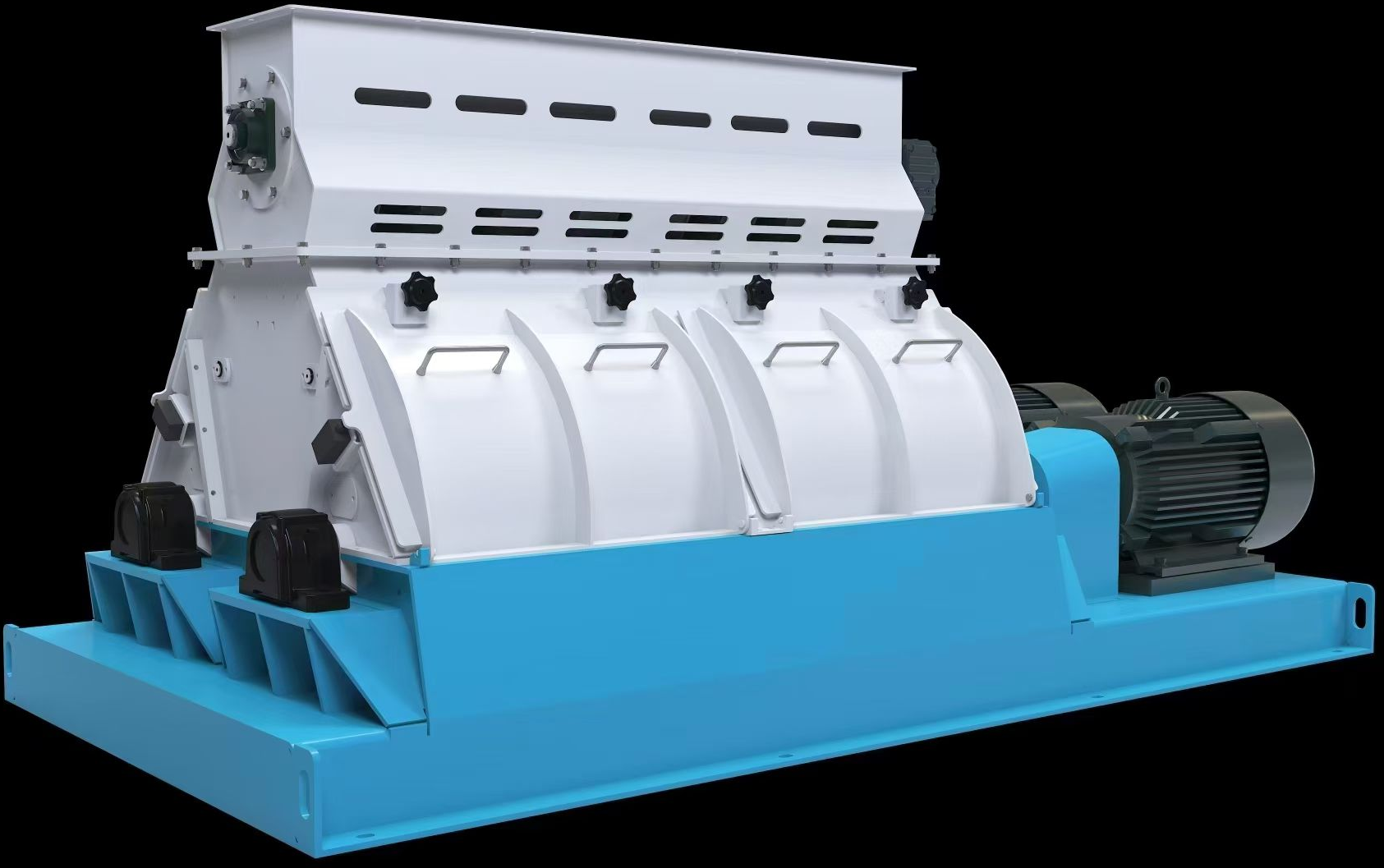
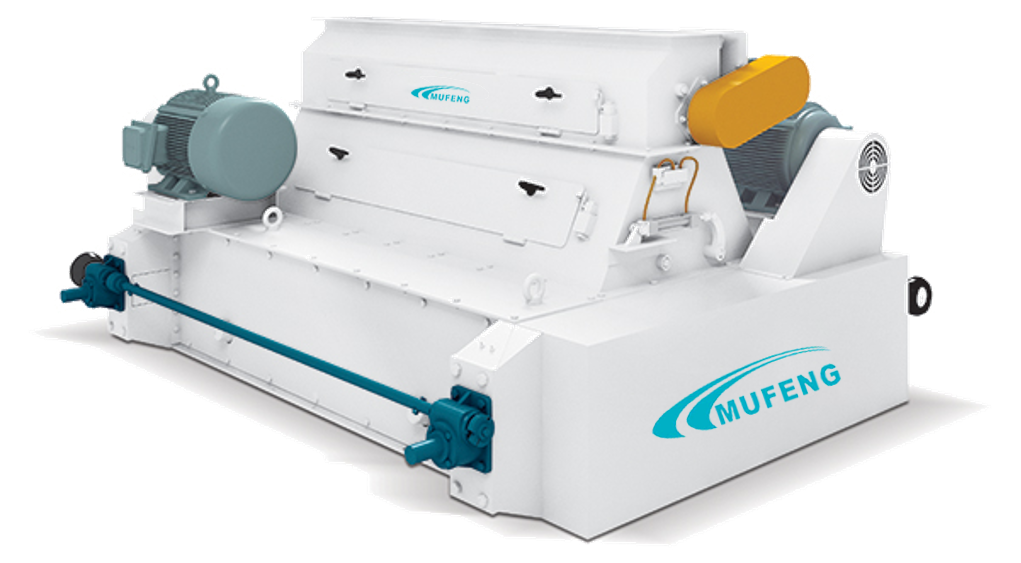
2.3 Cattle and sheep feed
Cattle and sheep are ruminants with special digestive systems. The fineness of concentrated feed for cattle and sheep can exceed 2 mm, because cattle can ruminate, and slightly coarse feed is conducive to rumination, which improves the digestibility of feed. For example, cattle over 10 months old only need to be fed with coarse grain powder or simple crushing. The general grinder screen can be equipped with 5.0-8.0mm. However, the feed of old cattle and sheep can be crushed to less than 1 mm to facilitate digestion. For example, for adult beef cattle, feeding corn and other grains with coarse powder can promote their rumination activity and improve feed utilization; and for old sheep, crushing the feed finer can help them better digest and absorb nutrients. Therefore, old cattle and sheep or young cattle and sheep can be crushed with a 2.0mm screen;
2.4 Aquatic feed
Due to the physiological characteristics of aquatic animals and the requirements of their living environment, aquatic feeds need to be easily digestible and absorbable. For the same material, the smaller the particle size, the greater the surface area exposed to digestive enzymes, and the higher the digestibility of the nutrients. Different aquatic animal species and growth stages have different requirements for raw material particle size. The grinding fineness of freshwater fish feed should be controlled at 0.425mm (40 mesh), and the passing rate of standard analytical sieve should be ≥95%; the grinding fineness of compound feed for Macrobrachium rosenbergii and river crab should be controlled at 0.18mm (80 mesh), and the passing rate of standard analytical sieve should be ≥95%; the grinding particle size of raw materials for aquatic feed such as eel, turtle, crab, shrimp, and abalone must reach 95% passing 80 mesh (180μm), and in some cases it is required that 95% can pass 100 mesh (149μm). Feed of this particle size is usually suitable for shrimp and fish larvae at different developmental stages; larger fish require that the feed particle size has more than 95% passing 40 mesh (0.425mm), and if conditions permit, it is best to pass 60 mesh (300μm). For example, in shrimp farming, crushing the feed raw materials to a particle size that meets the requirements of its growth stage can significantly improve the hardness and water resistance of the shrimp pellet feed, thereby increasing the growth rate and feed utilization rate of the shrimp and reducing the pollution of the feed to the water environment.
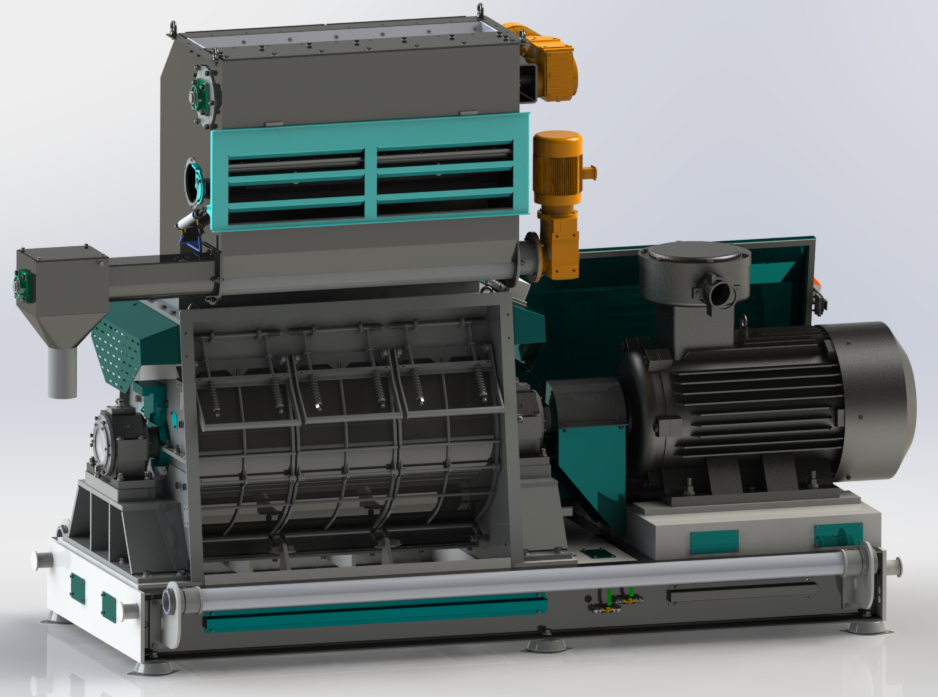
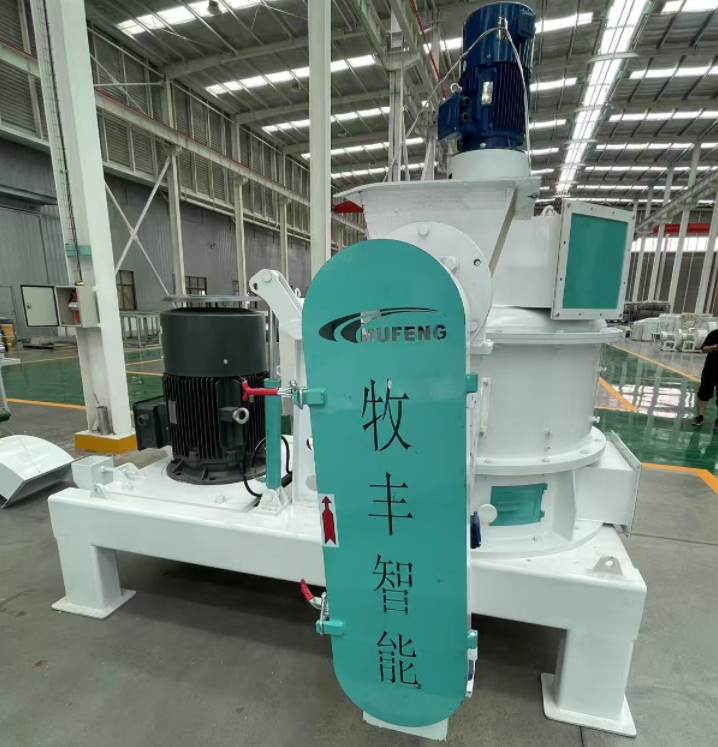
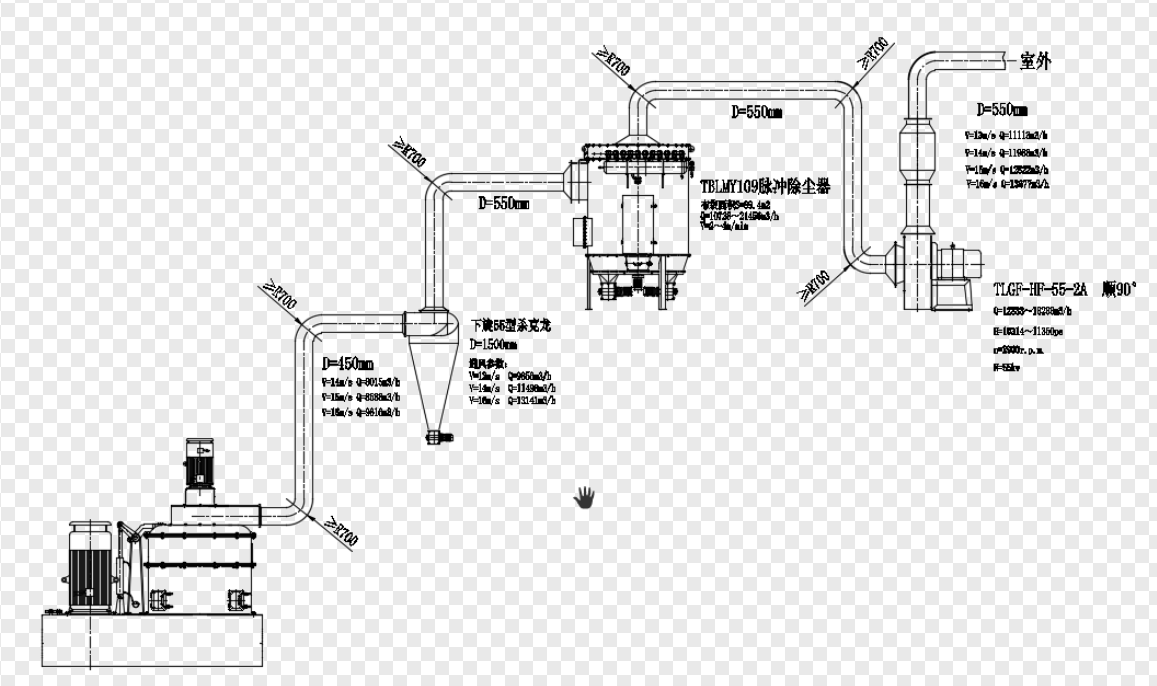
Therefore, for aquatic feed, if the grinding fineness is required to be less than 60 mu, a wide-cavity micro-pulverizer can be selected, and the screen aperture is 0.8-1.0mm; if the fineness is required to be above 60 mu, a secondary grinder is required, and the hammer-type micro-pulverizer is used to grind it first and then the ultra-fine grinder is used to grind it. The ultra-fine grinder can be adjusted arbitrarily between 60-200 meshes;
四、In conclusion
Different feeds have specific requirements for grinding fineness for different animal species and different growth stages of the same species of animals. Appropriate grinding fineness can significantly improve the digestibility of feed by animals, promote animal growth, improve feed conversion rate, and ensure animal health; while inappropriate grinding fineness will have a negative impact on animal growth performance, increase breeding costs and the risk of animal disease. In actual breeding production, the type of animal, growth stage and characteristics of feed raw materials should be fully considered, and the feed grinding fineness should be reasonably controlled to achieve scientific breeding, improve breeding efficiency, and promote the sustainable development of animal husbandry and aquaculture. In the future, with the continuous deepening of animal nutrition research, it is expected that the feed grinding fineness standard will be further optimized to provide more accurate technical support for animal breeding. In the next article, we will make a specific analysis of the impact of different grinding fineness on animal growth performance, so stay tuned!
–Henan Mufeng Intelligent Equipment Co., Ltd.
Yang yaohui
Whatapp:+86 15638502590