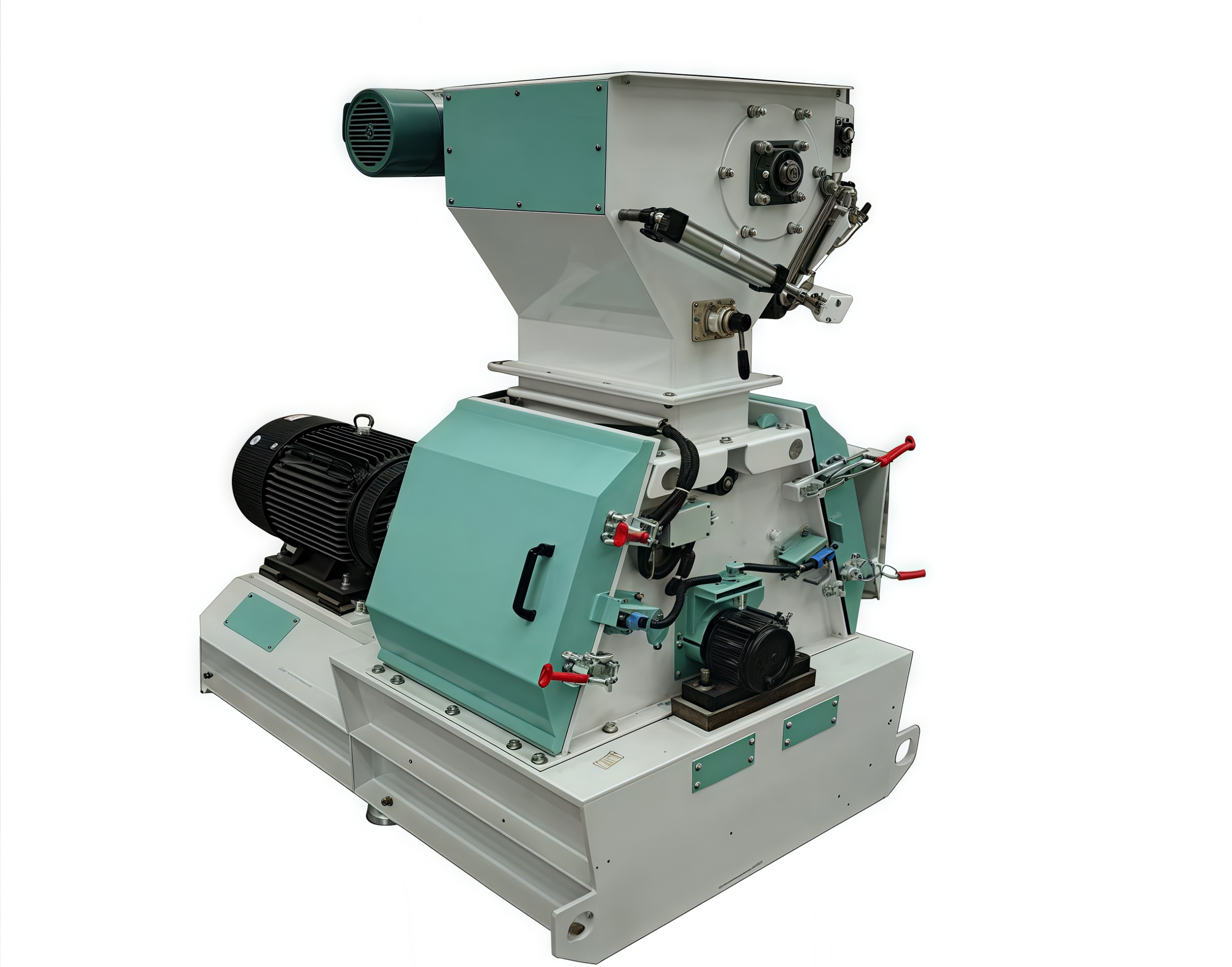

Twin-screw extruders and wet extruders are key equipment widely used in food processing and feed production. Due to their simple operation, high efficiency, and low production cost, they have gained extensive attention and application. This article will introduce the operating principles and usage methods of twin-screw extruders and wet extruders in detail, helping you better understand and master the operating skills of these two machines.
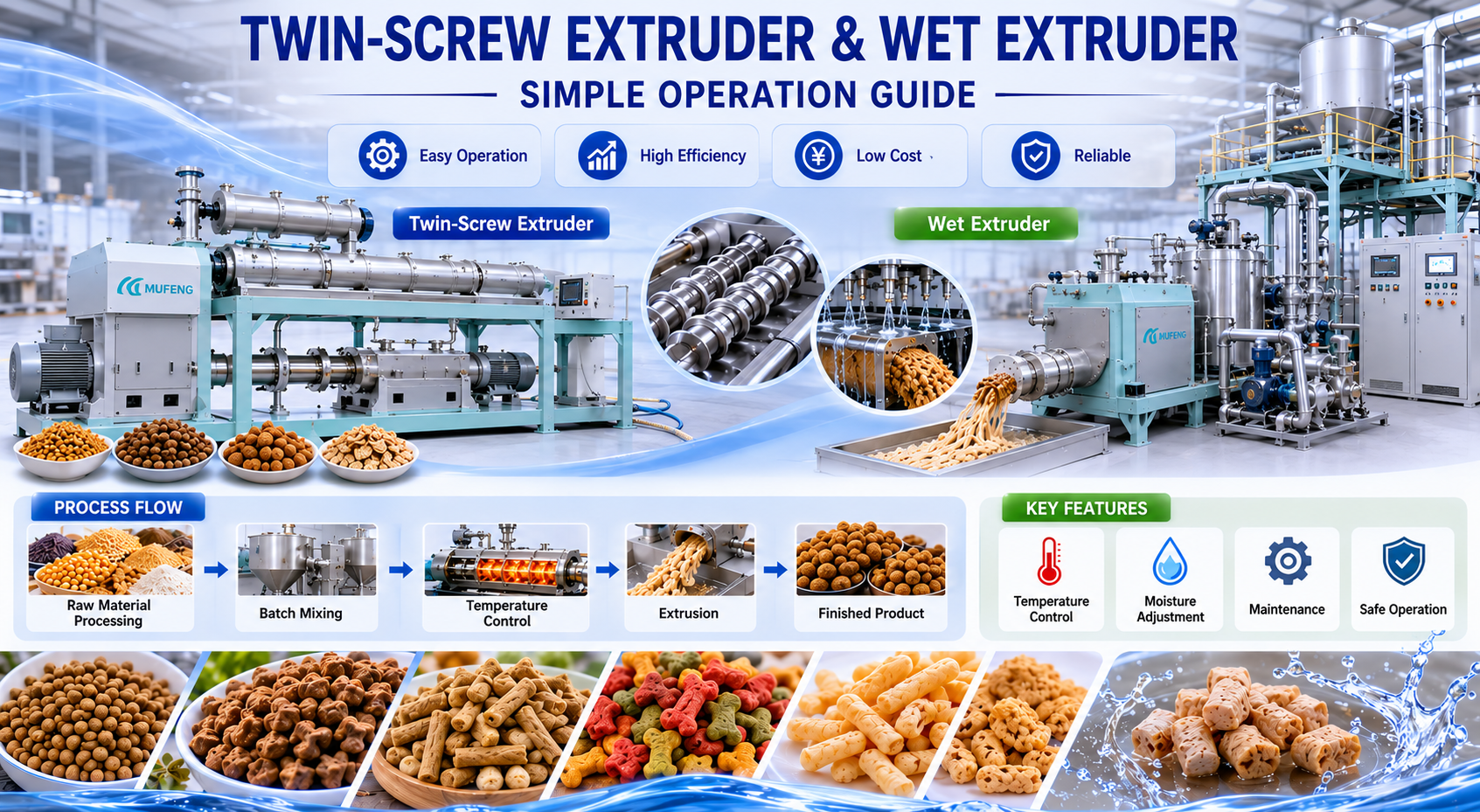
Before using the twin-screw extruder, first ensure that the equipment is in normal working condition. Check and clean the feed inlet, discharge outlet, and sliding parts to ensure smooth operation without blockage. Inspect the power supply and electrical circuits to ensure the voltage resistance and insulation meet the requirements. At the same time, check the cooling system and lubrication system to ensure normal operation.
The extrusion effect of the twin-screw extruder is closely related to the suitability of raw materials. Before extrusion processing, the raw materials need to be processed and batched. According to process requirements, carry out crushing, cleaning, and screening of the raw materials. At the same time, mix different raw materials according to the product formula in a certain proportion, and stir thoroughly to ensure uniform mixing.
The extrusion effect of the twin-screw extruder is closely related to temperature control and adjustment. During operation, the heating temperature, cooling temperature, and airflow speed can be controlled and adjusted through the electric heating system, water circulation system, and airflow system of the extruder. Proper temperature control and adjustment can ensure the normal operation of the extruder and achieve good extrusion results.
During the use of the twin-screw extruder, attention should be paid to equipment operation and maintenance. Adjust the feeding capacity, discharge capacity, and extrusion time in time to meet the requirements of different raw materials and products. Regularly clean and maintain the sliding parts, transmission system, and cooling system to ensure normal operation and extend the service life of the equipment. In addition, pay attention to the electrical circuits and safety protection devices to ensure safe operation.
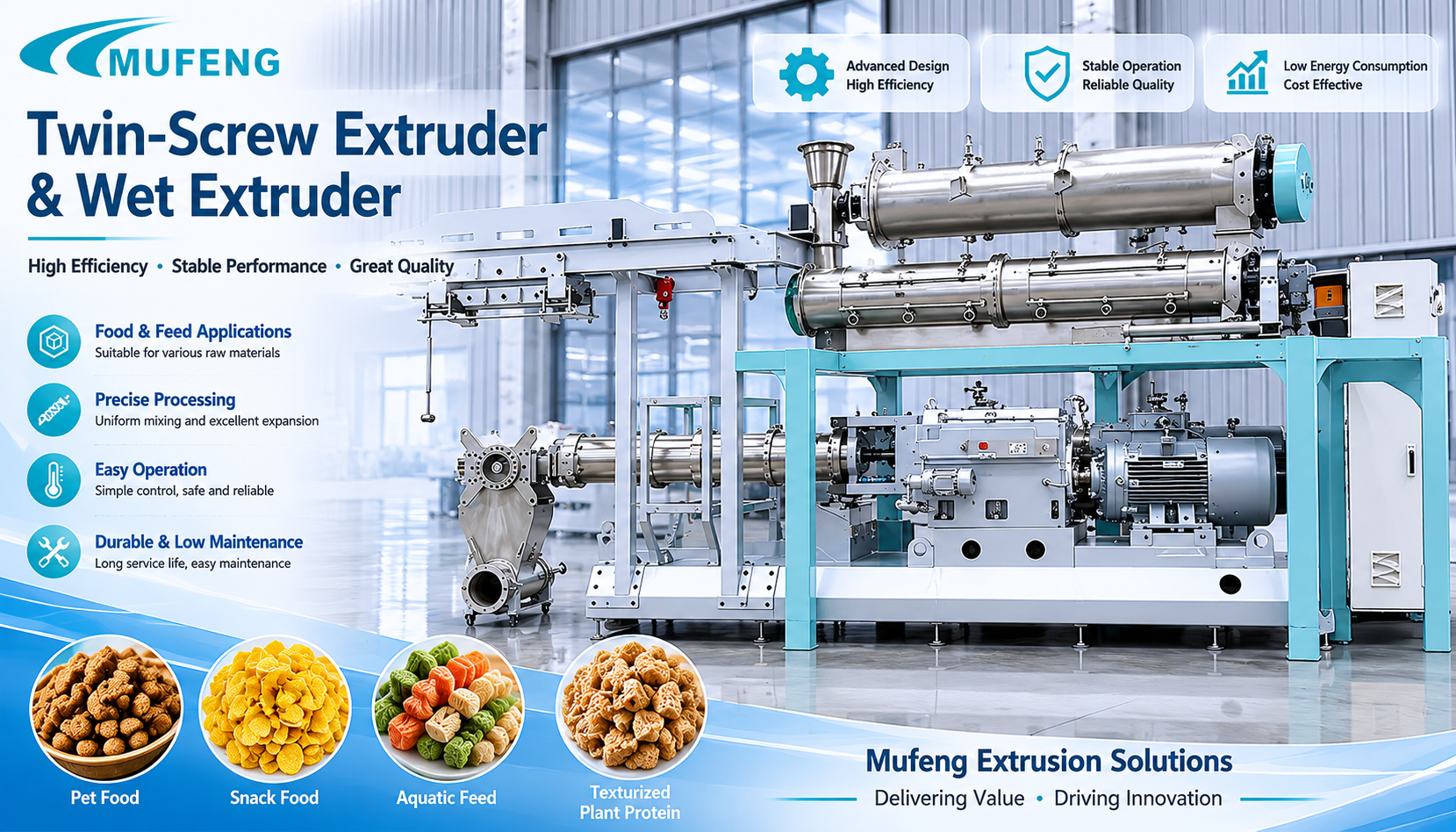
Before using the wet extruder, equipment preparation and adjustment are required. Check whether the power supply and electrical circuits are functioning properly to ensure the voltage resistance and insulation meet the requirements. Adjust the cooling system and lubrication system to ensure normal operation. Check and adjust the feed inlet, discharge outlet, and wet processing system to ensure normal machine operation.
The extrusion effect of the wet extruder is closely related to the suitability of raw materials. Before extrusion processing, raw materials need to be processed and batched. According to process requirements, carry out cleaning, crushing, and mixing of raw materials. At the same time, mix different raw materials according to the product formula in a certain proportion and stir thoroughly to ensure uniform mixing.
The extrusion effect of the wet extruder is closely related to moisture control and adjustment. During operation, the moisture content and moisture distribution can be controlled and adjusted by regulating the feeding capacity, discharge capacity, and moisture control system of the wet extruder. Proper moisture control and adjustment can improve the extrusion effect and product quality.
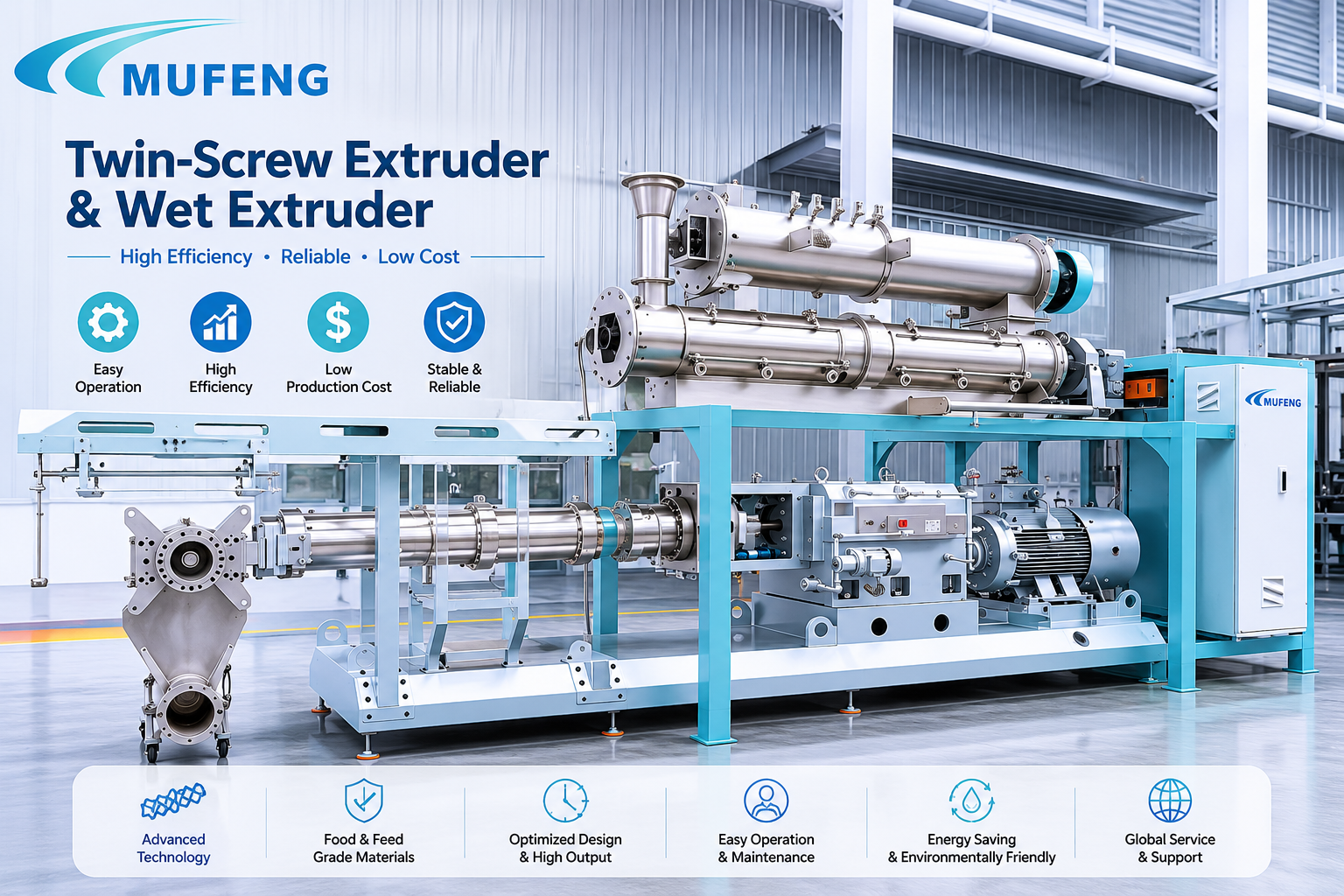
During the use of the wet extruder, attention should be paid to equipment operation and maintenance. Adjust the feeding capacity, discharge capacity, and extrusion time in time to meet the requirements of different raw materials and products. Regularly clean and maintain the sliding parts, transmission system, and wet processing system to ensure normal operation and extend the service life of the equipment. In addition, pay attention to the electrical circuits and safety protection devices to ensure safe operation.
Through the above operation guides, you can better understand and master the operating skills of twin-screw extruders and wet extruders, thereby improving product quality and production efficiency. We hope this article will be helpful to you.
For reference only!