
Aquaculture farmers all know that feed cost is the main cost of aquaculture, accounting for more than 60% of the total aquaculture cost. So how to minimize the feed conversion ratio and improve feed utilization? Essentially, a high feed conversion ratio means that the ingested feed has not been effectively converted into the body weight of farmed animals. Farmers should first check the causes: whether there is excessive residual feed, poor water quality, low dissolved oxygen, disease death, wild fish competing for feed, poor feed quality, or overfeeding. Below are methods for reducing feed waste and improving feed utilization in aquaculture.
Methods to reduce feed waste and improve utilization in aquaculture
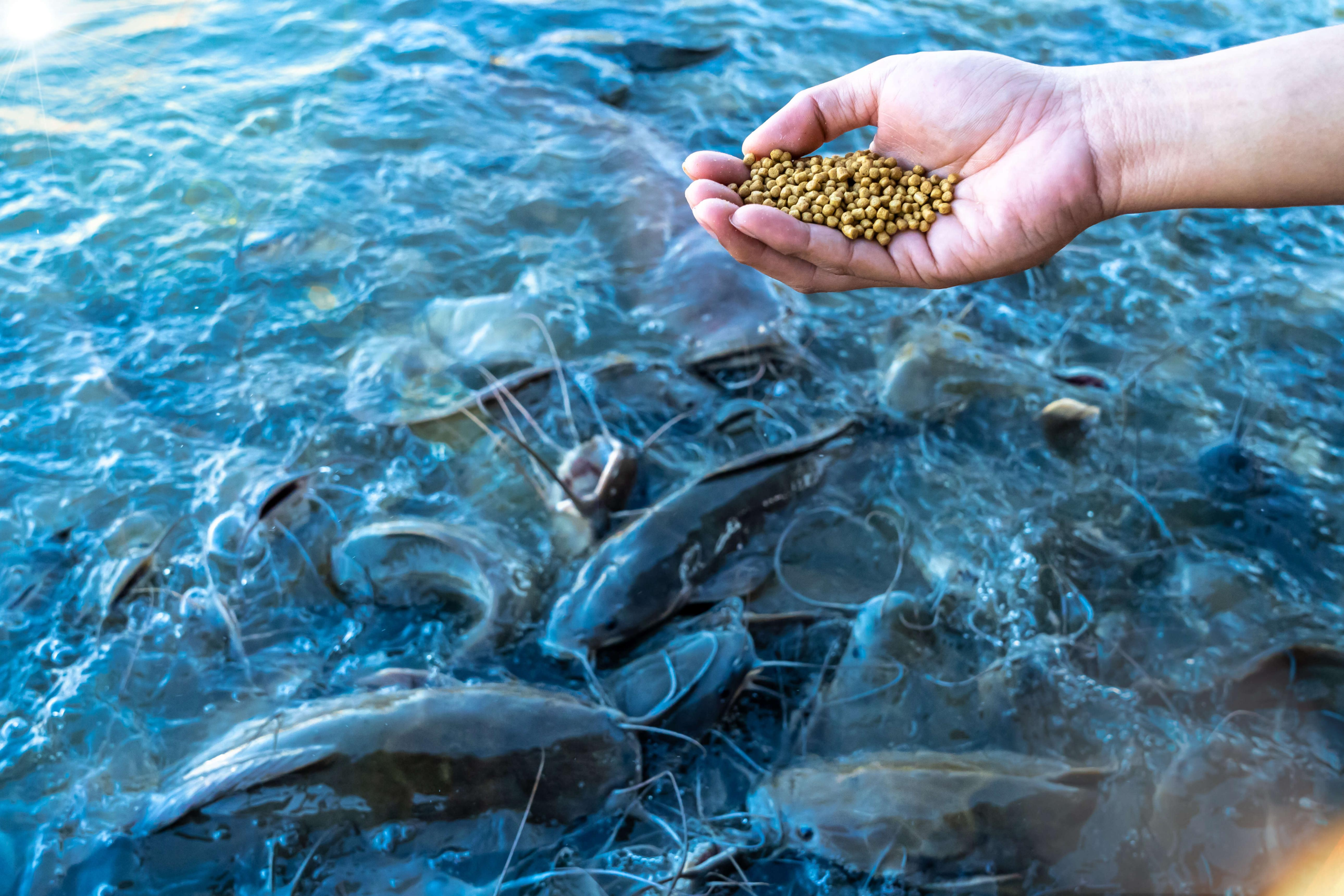
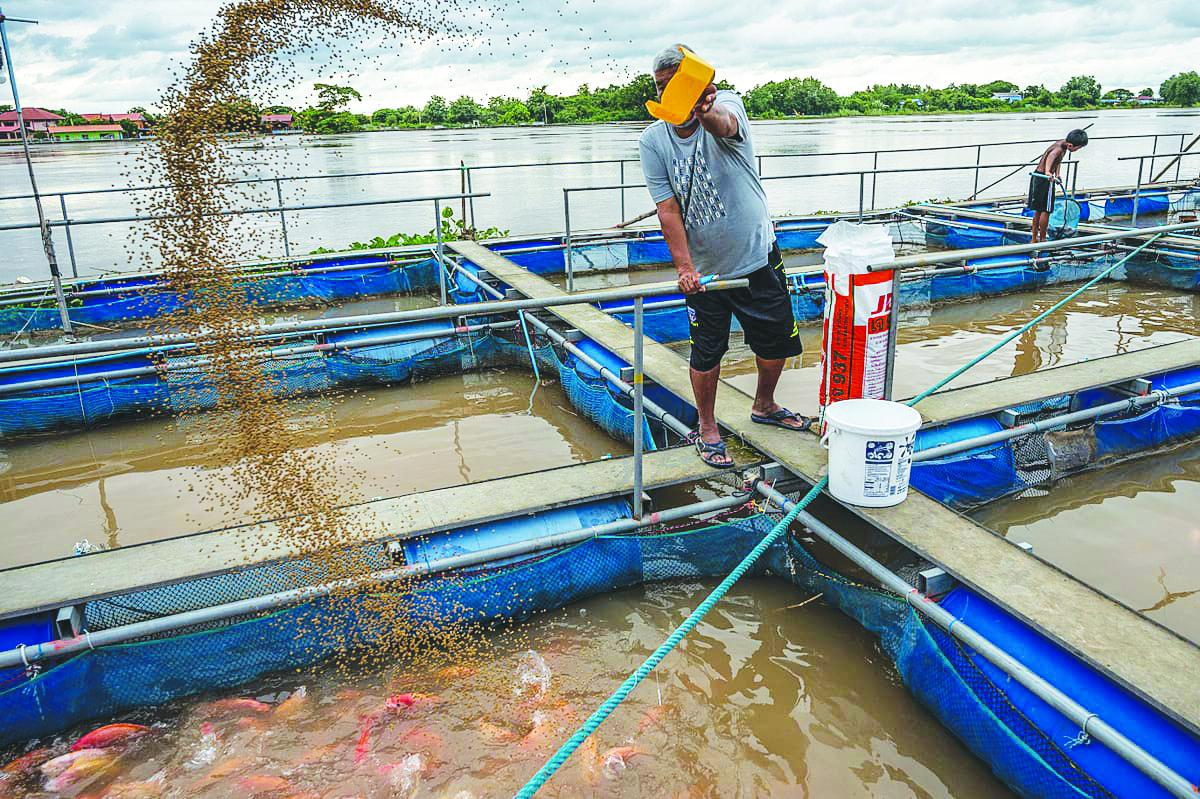
Precise feeding: To reduce residual feed in aquaculture, follow the principle of “fixed time, fixed location, fixed quality, fixed quantity”, feed in small portions multiple times, use a feeder for slow feeding and extend feeding time, so that fish and shrimp can be 70-80% full. Adjust the feeding amount according to water temperature, dissolved oxygen, weather, and the amount of fish/shrimp stored in the pond. Reduce feeding or stop feeding in low dissolved oxygen conditions, after water changing or disinfection.
Set up feeding platforms: Feed on the feeding platform in aquaculture, and check residual feed 1 hour after feeding; if there is leftover feed, reduce the amount by 10%-20% for the next meal. Sample and weigh the fish/shrimp weekly to estimate the storage amount in the pond, and deduct the number of deaths to avoid continuous feeding based on the initial stocking number. Choose high-quality feed with suitable particle size: too large particles are hard to eat, too small particles are easy to be lost; for shrimp and crab feed, choose products with good water stability.
Select and store feed properly: Farmers should choose complete feed with balanced nutrition, strong attractant effect and good water stability, and do not blindly pursue high protein. Excessively high protein and unbalanced amino acids will instead lead to more excretion and higher FCR. For self-formulated feed, pay attention to amino acid balance, energy-protein ratio, vitamins and minerals, and can add protease, lipase, phytase, etc. Store stocked feed in a dry, ventilated, dark place to prevent mildew and oxidation, and follow the first-in-first-out principle; do not use moldy feed.
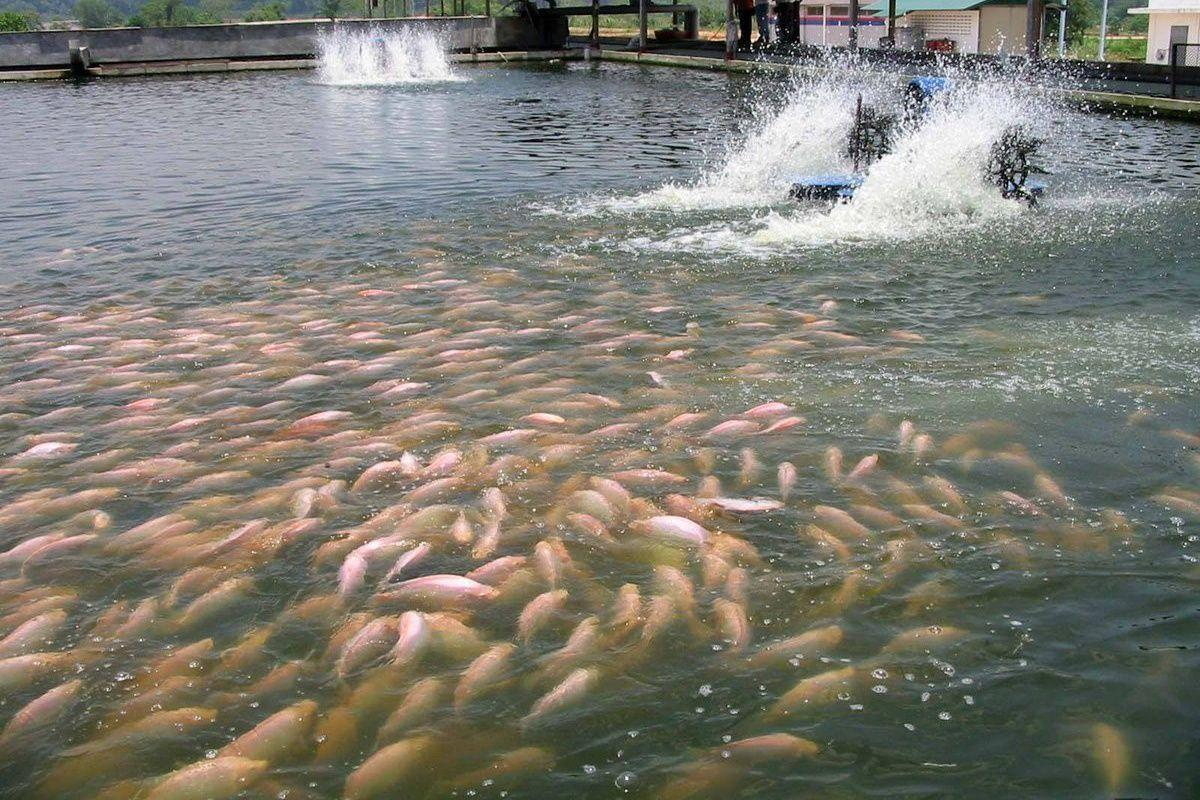
Regulate water quality: Dissolved oxygen in aquaculture water is a key factor affecting feeding. The dissolved oxygen in the feeding area should be maintained above 4-5mg/L, and the requirement for shrimp and crab is even higher; avoid feeding during early morning, when fish/shrimp are floating head, or in low dissolved oxygen conditions. Control ammonia nitrogen, nitrite and pH within safe ranges in the pond, and regularly improve sediment quality, increase oxygen and cultivate algae. When pond water quality deteriorates, fish and shrimp will have stress response, eat less and have poor conversion efficiency, so do not force feeding.
Prevent diseases: In aquaculture, regularly use bacillus, lactic acid bacteria, yeast, bile acids, Chinese herbal medicines to protect the intestine and liver. Prevent enteritis, parasites, gill rot and other diseases; sick fish and shrimp do not feed, so feeding at this time is pure waste.
Remove wild fish and competitive organisms: Wild fish, shrimp and crab in the pond eat feed without gaining weight, which will significantly increase the feed conversion ratio. Clear the pond thoroughly before stocking, and use fine mesh to filter the incoming water.
In summary, for high feed conversion ratio in aquaculture, to improve feed utilization, farmers should feed in small portions multiple times, adjust feeding based on weather and water conditions, check residual feed, maintain sufficient dissolved oxygen, remove wild competitive organisms. After excluding the above factors, the feed conversion ratio will gradually decrease. This will minimize feed costs and naturally help farmers make profits.