
Successful of cattle and sheep pellet feed production line with annual output of 90,000 tons

DATE : Sep 25th, 2022
Read :854

Project details:

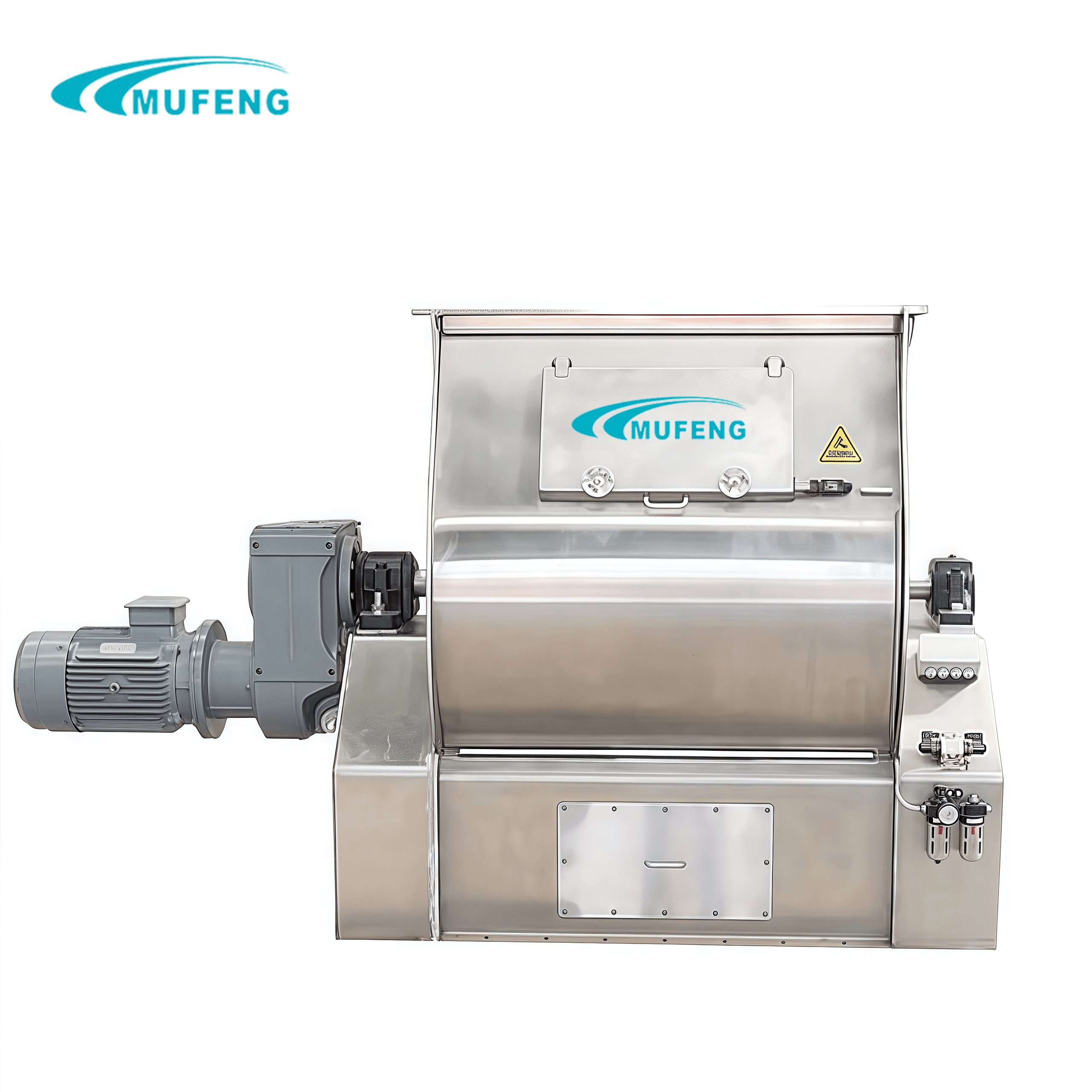
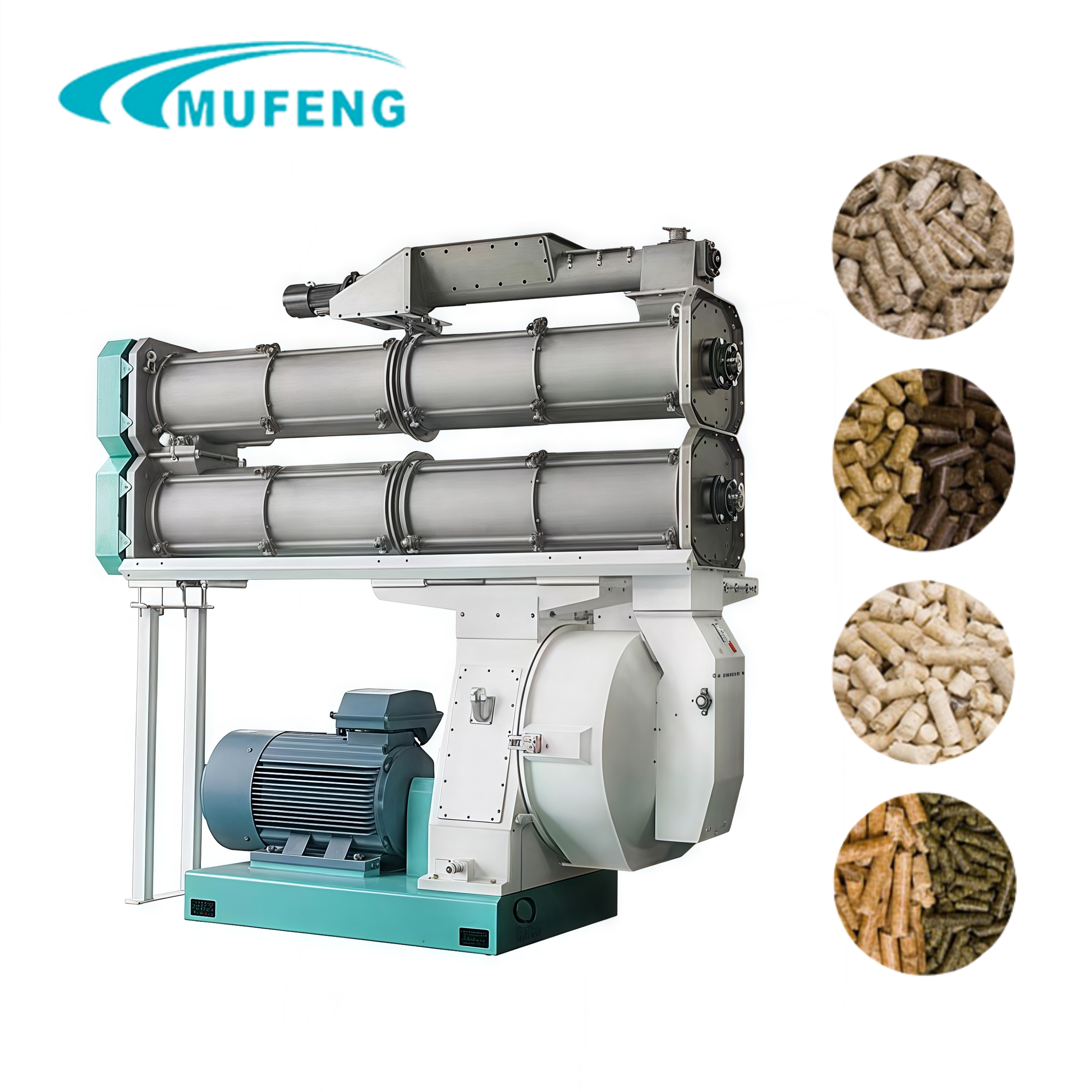
1.Production scale: 1 SZLH3020-7 granular material production line, equipped with a 75KW and a 55KW pulverizer, 2000KG/P mixer, 20 batching bins, 2 batching scales, 1 SZLH3030-7 granulator, 1 SKLYF2400 cooler, 1 packaging line, and a set of palletizer;

2. Two 1,100-ton grain silos, equipped with hydraulic flap automatic unloading equipment;

3. 1000KG/P fermented feed production line;

4. Steel structure main workshop.

The project started construction in September 2020 and was completed and put into production in April 2021. It will be produced at full capacity in 2022. The current monthly output is about 8,000 tons, with the highest single-day production exceeding 300 tons.

Share:
Related News
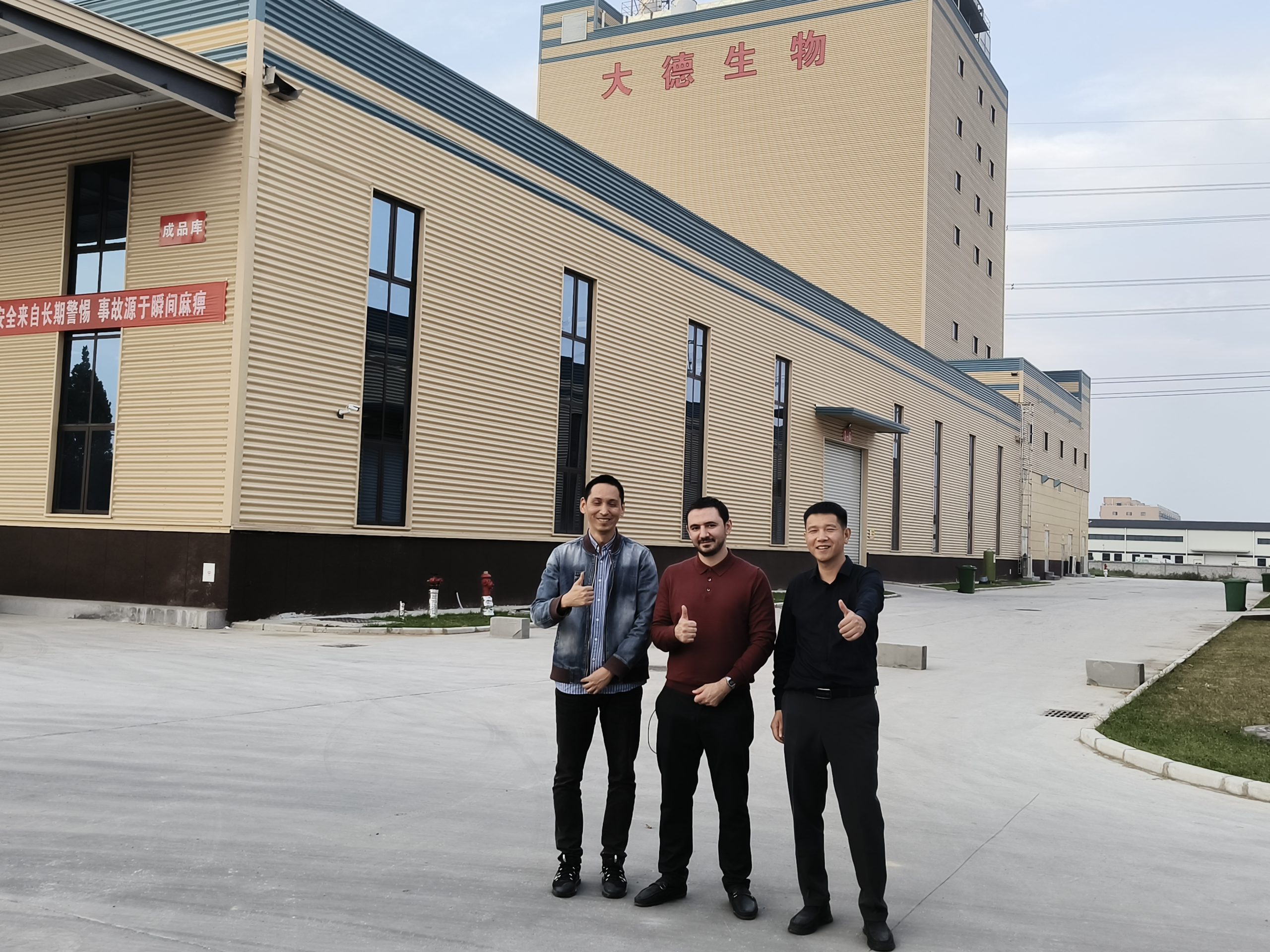
Mufeng welcomes Nordic customers to visit the factory
2023-11-14
On October 21, 2023, customers and our company's business personnel visited the production line base and learned about the factory operations.
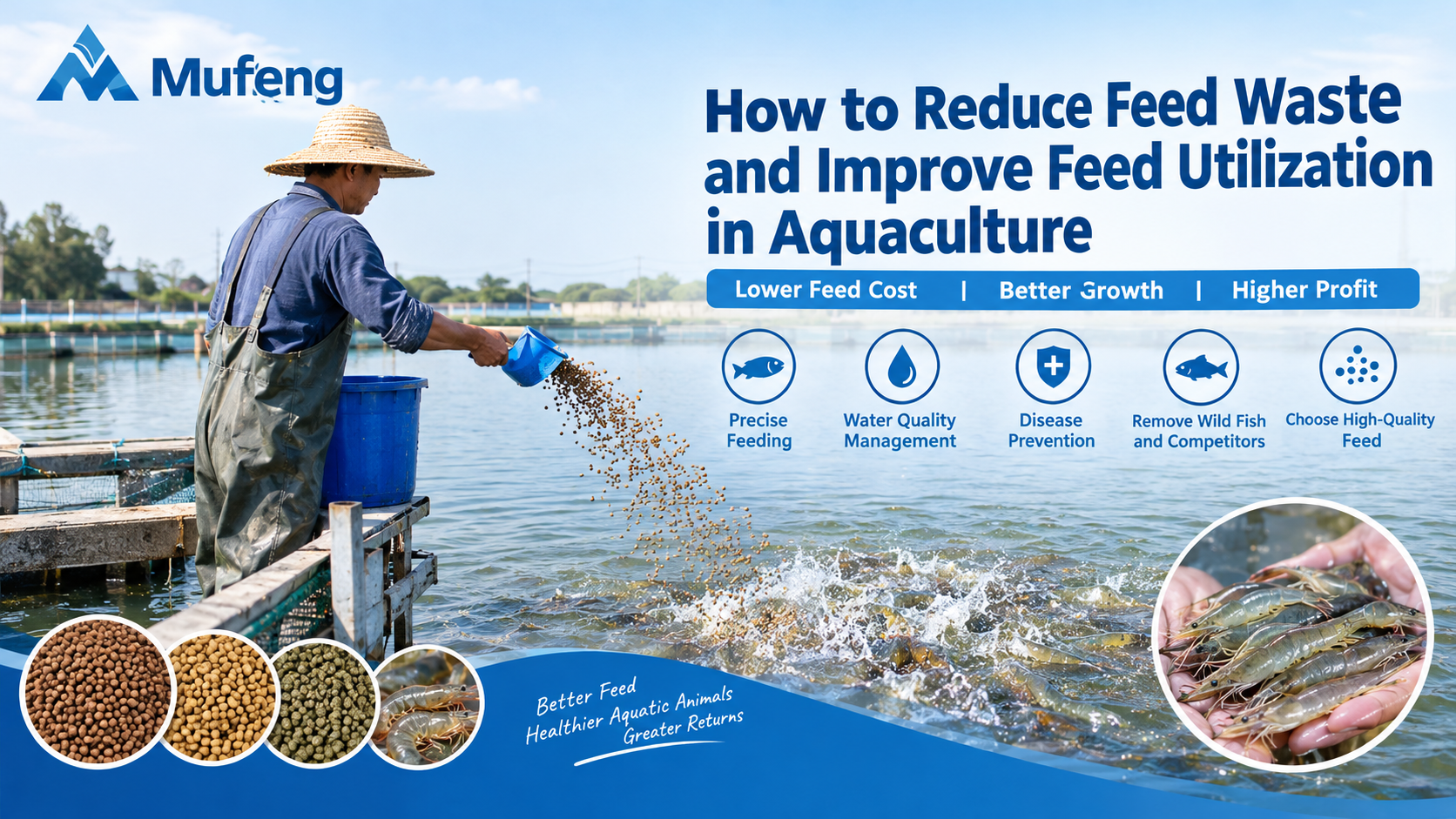
How to Reduce Feed Waste and Improve Feed Utilization When the Feed Conversion Ratio (FCR) is High?
2026-10-16
Feed cost accounts for over 60% of the total cost in aquaculture, and a high feed conversion ratio is essentially caused by feed failing to be converted into the body weight of farmed animals, which may result from excessive residual feed, poor water quality, low dissolved oxygen, disease death, wild fish competing for feed, poor feed quality or overfeeding. To reduce feed waste and improve feed utilization, aquaculture farmers should adopt the methods of precise feeding following the "four fixed" principle and adjusting feeding amount according to actual conditions, setting feeding platforms to check residual feed and adjust feeding amount and estimate the actual storage amount of farmed animals regularly, selecting and storing feed properly by choosing nutritionally balanced complete feed instead of blindly pursuing high protein and storing feed correctly, regulating water quality to maintain sufficient dissolved oxygen and keep water indicators within safe ranges, preventing intestinal and liver diseases regularly, and thoroughly removing wild competitive organisms that eat feed without gaining weight. After eliminating the above influencing factors, the feed conversion ratio will gradually decrease, feed costs will be minimized, and farmers' profits will be guaranteed accordingly.
Analysis of the Effects of Grinding Fineness on Broiler Production Performance
2026-04-17
Precision grinding fineness of feed is a core physical parameter affecting broiler growth performance, directly correlating with nutrient digestion efficiency, gastrointestinal tract (GIT) development, and farming costs, thus requiring precise regulation in combination with growth stages and feed forms.
Request A Quote
Complete control over products allows us to ensure our customersreceive the best quality prices and service.

    *

    *

    Production Line

    Production Capacity

    *Messages

    Related Products
    We are professional supplier of animal feed pellet production line, pet food production line and biomass pellet production line.
    Get A Free Quote

      *

      *

      Production Line

      Production Capacity

      *Messages

      x