
In recent years’ persistently high fishmeal prices, coupled with raw material supply uncertainties, have plunged many feed enterprises and nutritionists into a dual dilemma of cost control and balanced feed formulation design. As the “golden raw material” in traditional animal feed, are there really no practical, cost-effective fishmeal replacement strategies that can be implemented successfully?
Blindly swapping fishmeal with random protein sources is strictly forbidden for scientific replacement. The key is to clarify the irreplaceable nutritional value of fishmeal in feeds first, then match it with targeted alternatives by following the principle of “supplement what is lacking and adjust what is imbalanced” and adjust the nutritional plan systematically. Otherwise, problems like amino acid imbalance, micronutrient deficiency, and reduced digestibility will easily occur, ultimately leading to losses in production efficiency.
The comprehensiveness and adaptability of fishmeal’s nutrition are why it is hard to be fully replaced by a single feed ingredient.

(1) Amino acid profile close to the ideal model: Fishmeal contains high levels of lysine, methionine, threonine, and other essential amino acids for livestock and poultry, with perfectly balanced ratios. It can meet animals’ growth needs without additional synthetic amino acid supplementation, and its digestibility and palatability are far higher than most plant-based protein sources.
(2) Rich in absorbable vitamins and minerals: It provides organically bound calcium and phosphorus that are easily absorbed by animals, and the Ca/P ratio matches their growth requirements. Additionally, it is abundant in B vitamins and choline, which supplement the micro nutrient deficiencies in other feed ingredients.
(3) Natural functional organic components: The naturally occurring omega-3 polyunsaturated fatty acids (DHA+EPA), unknown growth factors (UGFs), and other bioactive substances in fishmeal not only improve palatability and gut health but also indirectly enhance feed conversion efficiency.
(4) Negligible anti-nutritional factors: Compared with soybean meal, cottonseed meal, and other plant proteins, fishmeal contains no phytic acid, gossypol, or other anti-nutritional factors that irritate animals’ gut or overall health.
In short, the core value of fishmeal is a “systematic nutrient package of high protein + balanced nutrients + high utilization + low anti-nutritional factors”, rather than a mere “protein ingredient.”
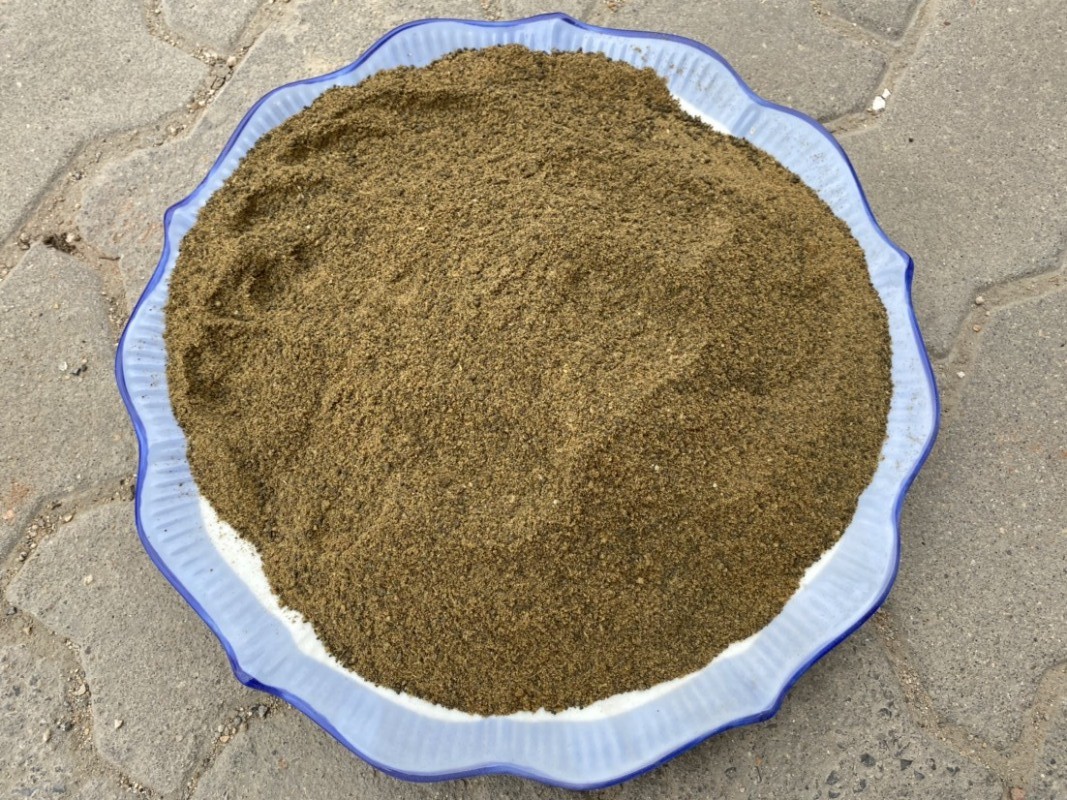
There is no single formula for fishmeal replacement. The core should be a comprehensive, systematic combination of ingredients: balancing amino acids in protein sources, ensuring protein content meets animals’ growth needs, supplementing functional ingredients to compensate for the shortcomings of fishmeal alternatives, and integrating factors such as farming species and environmental conditions.
The key here is to fill the protein gap left by fishmeal, focusing on amino acid balance and using a combination of ingredients to reduce the nutritional deficiencies of single sources.
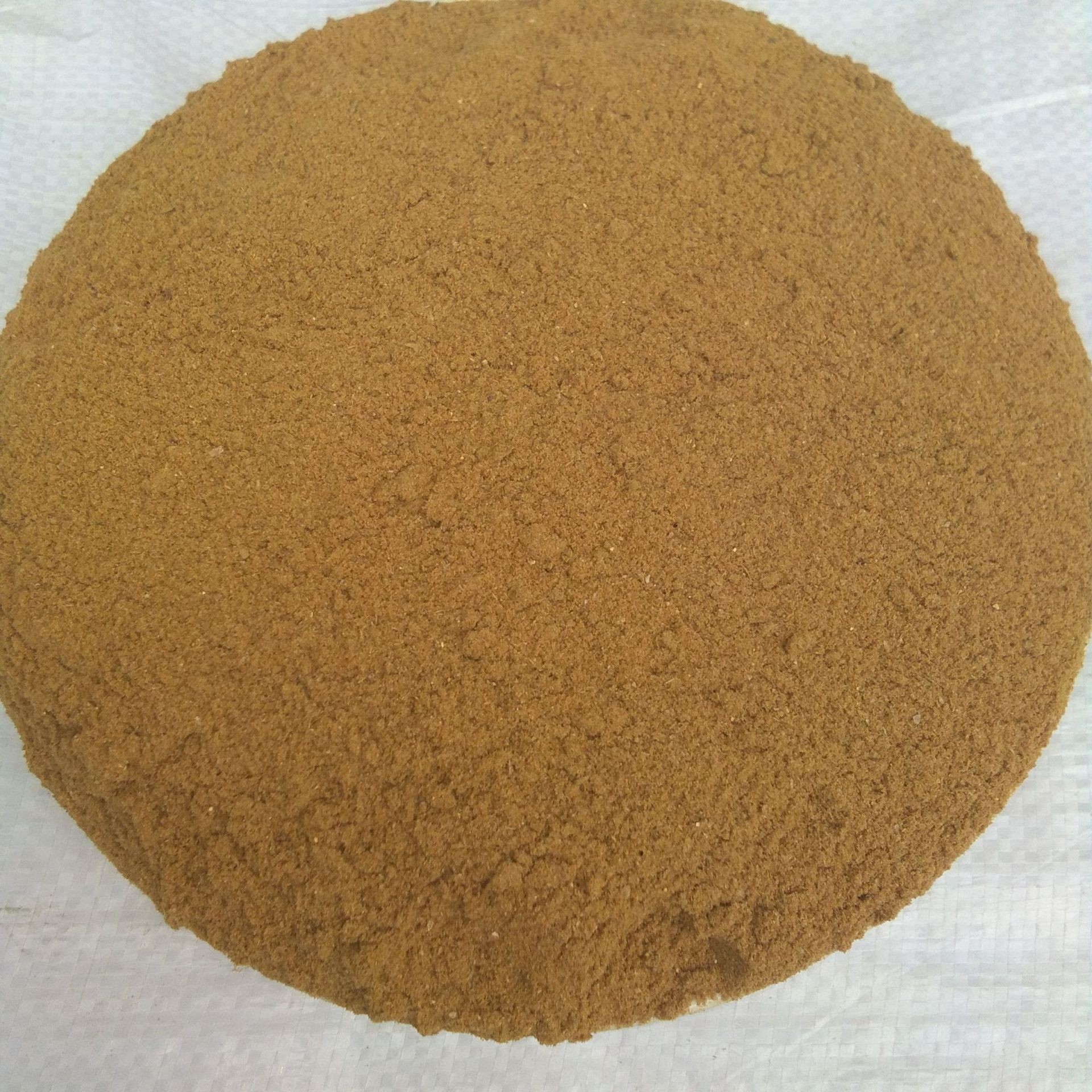
These ingredients are used to supplement the characteristic nutritional active substances of fishmeal, such as omega-3 unsaturated fatty acids, micronutrients, and UGFs, to ensure feed quality, stabilize farming performance, and solve the core pain points of fishmeal replacement.
Fishmeal replacement is not a simple “protein substitution” and must not ignore its key nutritional components. It can be systematically adapted to different farming scenarios through “raw material combination + functional supplementation.”
If you encounter any problems in the actual fishmeal replacement process, please feel free to leave a message and discuss together!