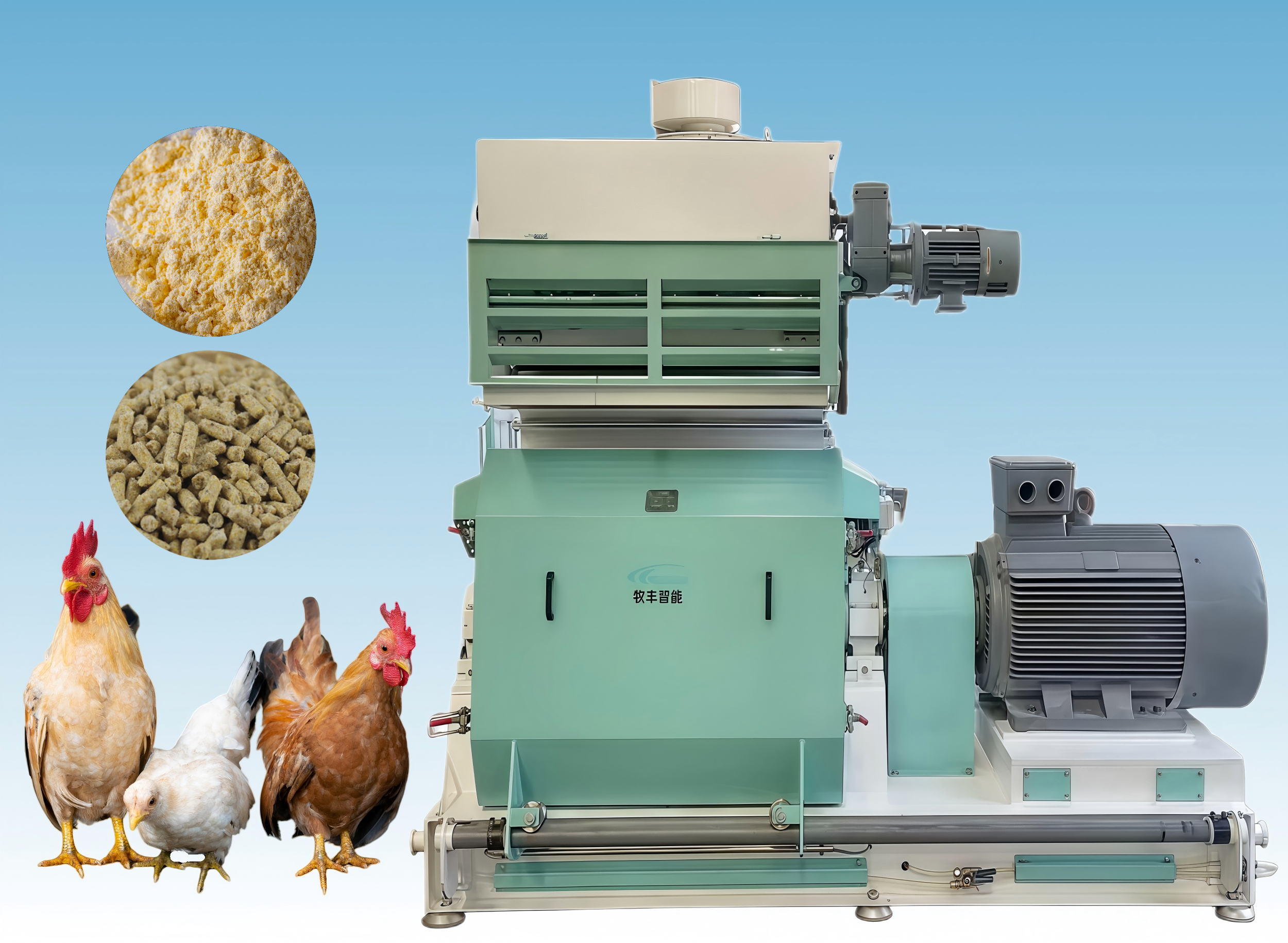
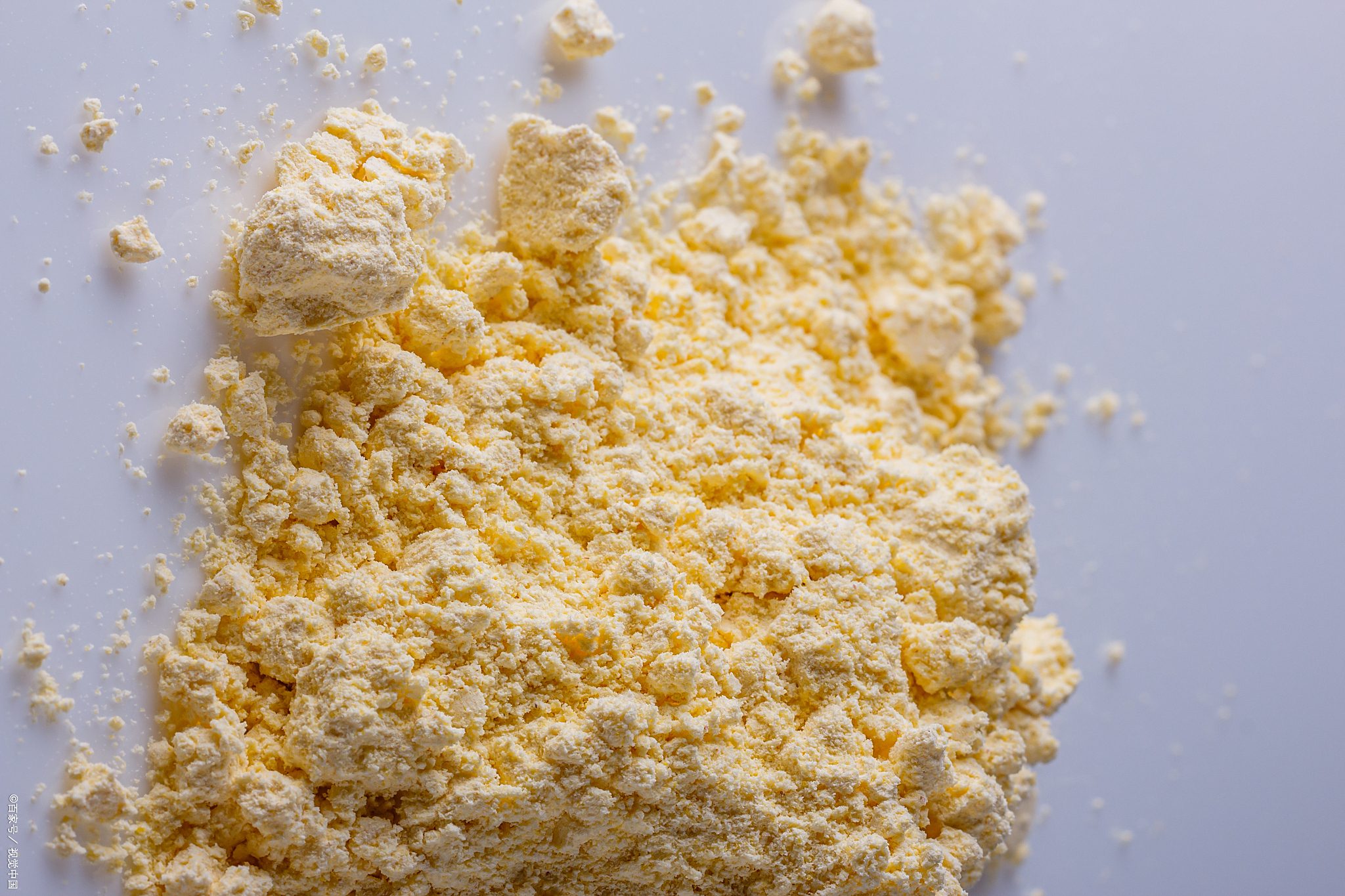
Precision grinding fineness of feed is a core physical parameter affecting broiler growth performance, directly correlating with nutrient digestion efficiency, gastrointestinal tract (GIT) development, and farming costs, thus requiring precise regulation in combination with growth stages and feed forms.
Core Impact Mechanisms
1. Nutrient Digestion Efficiency
- Over-fine grinding (< 500 μm): The specific surface area of feed increases drastically, allowing for more adequate contact with digestive enzymes and thereby boosting energy and protein digestibility. However, it tends to cause gastric chyme densification, insufficient gastric acid penetration leading to protein indigestion, and accelerates intestinal chyme transit rate, shortening nutrient retention time. Over the long term, mineral absorption rate may be reduced.
- Moderate grinding (700–900 μm): Balances digestion efficiency and gizzard grinding demands, achieving optimal protein and energy utilization rates, which is the ideal range for the entire broiler production cycle.
- Over-coarse grinding (> 1200 μm): Insufficient specific surface area results in inadequate enzymatic hydrolysis and lower nutrient utilization rate. Conversely, it prolongs intestinal chyme retention time, promotes gizzard peristalsis and development, and enhances intestinal health.
2. Growth Performance
| Grinding Fineness |
Applicable Stage |
Core Impacts |
Typical Research Conclusions |
| Fine (500–700 μm) |
Broiler Chicks (1–10 Days of Age) |
Improve average daily gain (ADG) and feed conversion ratio (FCR) |
Fine grinding during the starter period can improve FCR by 15% and increase body weight by 10%–15%. |
| Medium-Fine (700–900 μm) |
Growing Broilers (11–28 Days of Age) |
Balance growth and intestinal development, with optimal feed conversion ratio |
For 817 broilers aged 35–50 days, the FCR of the 2.5 mm sieve group is significantly lower than that of the 1.5 mm and 3.5 mm groups. |
| Medium-Coarse (900–1200 μm) |
Finishing Broilers (28 Days of Age – Slaughter) |
Promote muscle development and reduce the risk of intestinal diseases |
Medium-coarse grinding in the late period can increase carcass weight by 2%–3% and thigh muscle weight by 5%. |
| Over-Coarse (>1200 μm) |
Whole Production Cycle (Not Recommended) |
Difficulty in feed intake, growth retardation, and worsened feed conversion ratio |
When corn particle size >1644 μm, broiler feed intake increases by 180g, but FCR is significantly worsened. |
3. Intestinal and Digestive Organ Health
- Over-fine grinding: Lacks grinding stimulation for the gizzard, leading to hypoplasia and weight loss; disrupts intestinal microbiota balance, reduces lactobacillus abundance, elevates the proliferation risk of harmful bacteria (e.g., Clostridium perfringens), and easily induces diarrhea and enteritis.
- Moderate grinding: Significantly increases gizzard weight and enhances peristalsis, effectively grinding feed, activating gastric acid secretion, lowering intestinal pH, and inhibiting pathogenic microorganisms; improves intestinal villus height and villus/crypt ratio (V/C), thus boosting nutrient absorption capacity.
- Over-coarse grinding: Overburdens the gizzard, increasing energy consumption and conversely affecting growth; slows down feeding speed, easily causing insufficient intake, especially impacting early growth of broiler chicks.
4. Processing and Farming Costs
- Over-fine grinding: Increases grinding power consumptionby 30%–50%, reduces feed production capacity; makes feed prone to moisture absorption and caking, lowers storage stability, and aggravates dust pollution.
- Moderate grinding: Balances processing costs and nutrient utilization; achieves more complete starch gelatinization during pelleting, improves particle durability index (PDI), and controls pellet fines ratewithin 5%.
- Over-coarse grinding: Results in poor mixing uniformity, prone to nutrient segregation, thus affecting formula effectiveness; increases pelletization difficulty and raises pelleting costs.
Stage-Specific Optimization Schemes
1. Broiler Chick Stage (1–10 Days of Age)
- Recommended fineness: Corn: 520–600 μm; Soybean meal: 470–530 μm; Overall average particle size: 550–700 μm
- Core objective: Ensure feeding efficiency, improve early body weight and FCR
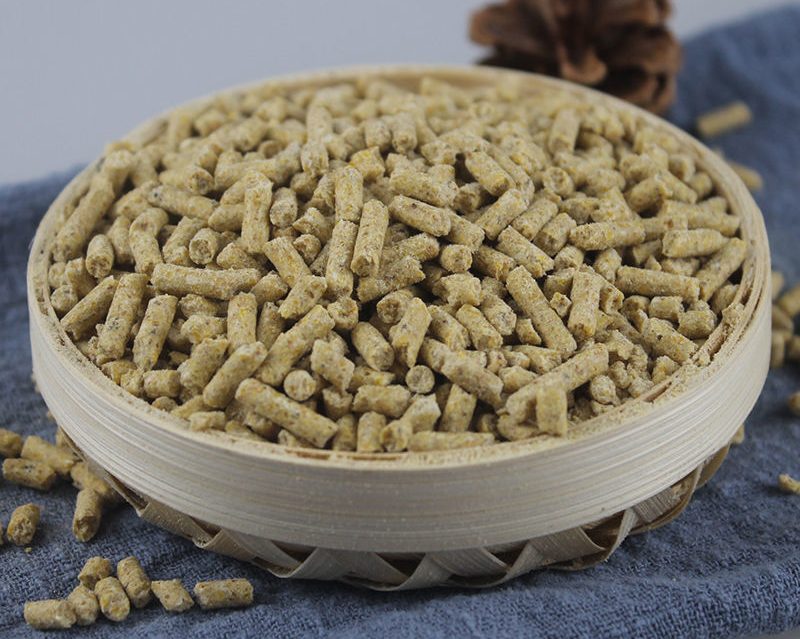
- Notes: Avoid over-coarse grinding (> 800 μm) to prevent chick feeding difficulty; prioritize micro-fine or fine grinding, combined with crumbled pellets (2000–2500 μm)to balance palatability and gizzard stimulation.
2. Growing Broiler Stage (11–28 Days of Age)
- Recommended fineness: Corn: 700–900 μm; Soybean meal: 600–800 μm; Overall average particle size: 800–1000 μm
- Core objective: Balance growth rate and intestinal development, reduce feed conversion ratio
- Notes: Add 5%–10% coarse particles (1500–2000 μm)to stimulate gizzard development without affecting feeding efficiency.
3. Finishing Broiler Stage (29 Days of Age – Slaughter)
- Recommended fineness: Corn: 900–1200 μm; Soybean meal: 800–1000 μm; Overall average particle size: 1000–1200 μm
- Core objective: Improve nutrient utilization, enhance carcass quality, and reduce intestinal disease risks
- Notes: Avoid excessively large particles (> 1600 μm) to prevent insufficient intake; adopt a “fine grinding + coarse particles” bimodal distribution modewith coarse particles accounting for 20%–30%, balancing digestion efficiency and gizzard health.
Key Regulation Points
Match with Feed Form
- Pelleted feed has lower sensitivity to fineness than mash feed; particle size differences in pellets have no significant impact on growth performance.
- Mash feed must strictly control fineness to avoid insufficient intake and digestive issues caused by over-coarseness.
Adapt to Raw Material Differences
- Corn grinding fineness can be slightly coarser than soybean meal: corn recommended range is 700–1200 μm, soybean meal is 600–900 μm.
- Wheat grinding must be controlled within 1.5–2.5 mm to avoid affecting energy utilization due to over-coarseness.
Dynamic Adjustment
- Gradually increase grinding fineness as broilers age; if diarrhea or deteriorated FCR occurs, prioritize checking feed fineness to avoid over-fineness or over-coarseness.
Process Matching
- Grinding fineness before pelleting must match conditioning temperature and ring die apertureto ensure pellet quality, controlling pellet fines rate within 5%–8%.
Summary
The impact of grinding fineness on broiler production performance is stage-specific. The core principle is fine for chicks, moderate for growing broilers, and slightly coarse for finishing broilers, with an overall range of 550–1200 μm, balancing nutrient digestion, intestinal health, and processing costs. In practical production, it is recommended to precisely regulate through particle size distribution detection (e.g., screen analysis method), dynamically optimize in combination with breeding environment, breed characteristics, and feed form, to achieve comprehensive benefits of reducing FCR by 5%–10% and increasing ADG by 8%–15%.