
Saturated steam is widely used in both direct and indirect heating processes across various industries. As a result, steam quality plays a critical role in determining process stability and final product quality. In feed manufacturing, where moisture control directly affects yield, pellet quality, and operational safety, controlling steam moisture content has become an increasingly important topic.
High-quality steam should meet the following fundamental requirements: stable and sufficient flow rate, consistent pressure and temperature, absence of air or other non-condensable gases, low and stable moisture content, and minimal impurities. When these conditions are met, production processes can operate safely and steadily, ensuring consistent product quality.
However, steam inevitably carries moisture, which can create multiple challenges during production. From a safety perspective, excessive moisture increases the risk of water hammer and pipeline damage. From a process perspective, unstable steam moisture directly affects heating efficiency and product consistency.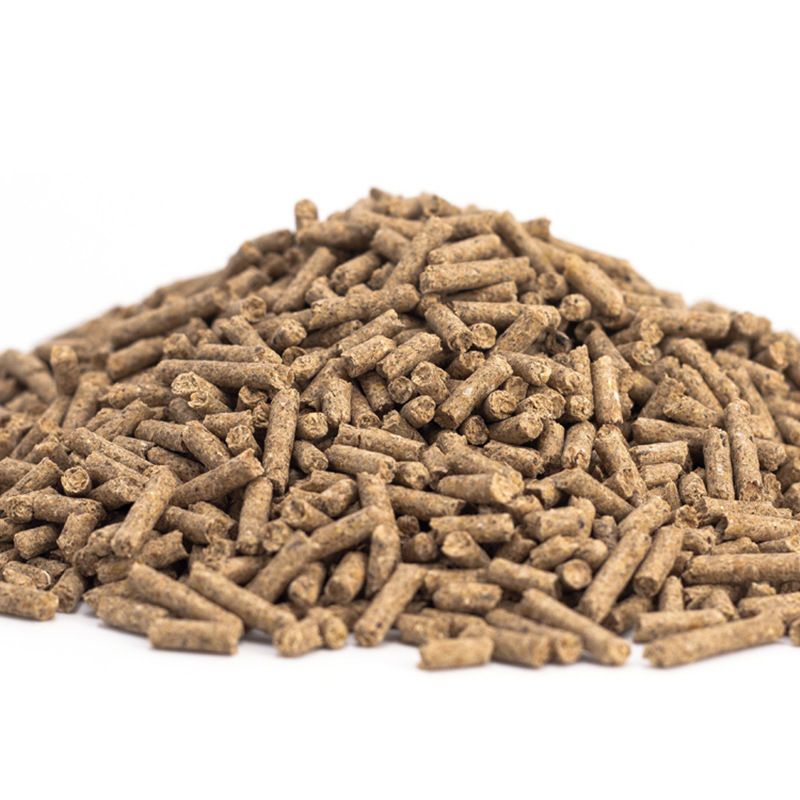
In direct heating processes, steam comes into direct or indirect contact with the product. The liquid moisture carried by the steam can cause fluctuations in product moisture content, which is commonly observed in feed conditioning processes and industries such as tobacco production. These fluctuations reduce process controllability and make it difficult to maintain consistent product specifications.
In indirect heating processes, moisture carried by steam leads to unstable heat transfer. This instability causes fluctuations in outlet temperature, negatively affecting process control and resulting in inconsistent product quality.
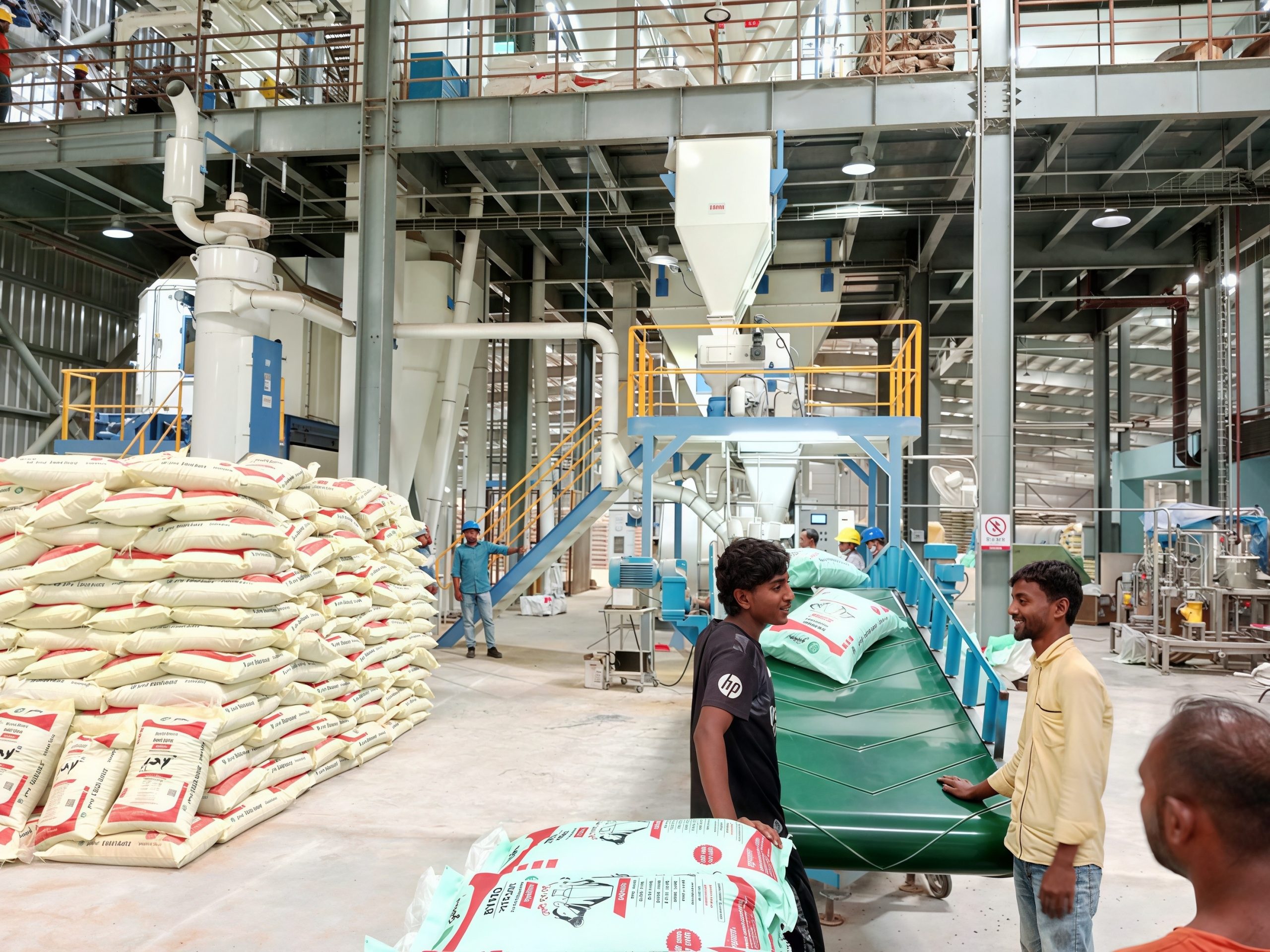
In feed manufacturing, moisture content is one of the most critical quality parameters. Low moisture content reduces feed yield and directly impacts plant profitability. When moisture levels drop too low, feed becomes brittle and may pulverize, making normal production impossible. On the other hand, excessive moisture can lead to equipment slippage, poor pellet quality, and increased risk of mold growth during storage.
The final moisture content of feed products is determined by three main factors: the initial moisture content of incoming raw materials, the amount of water added during processing, and the amount of moisture removed during drying (if applicable). While most feed mills closely monitor raw material moisture and drying efficiency, one key variable is often overlooked—the moisture content of the steam itself.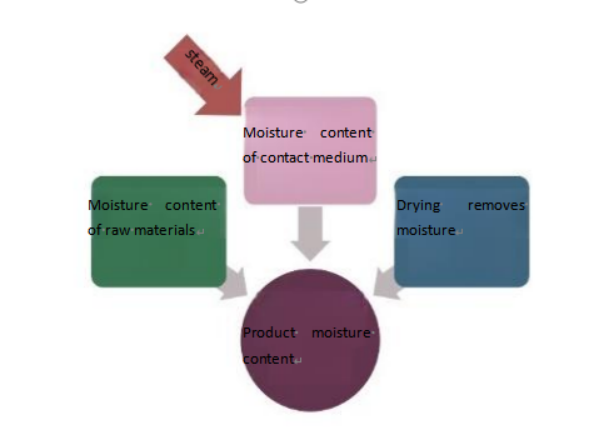
Steam introduces both heat and moisture into the process. During conditioning, steam moisture mixes with feed materials and promotes starch gelatinization. If the moisture content of steam fluctuates significantly—especially when it is excessively high—it can easily lead to unstable product moisture levels. This issue presents a major challenge for lean manufacturing and precise process control in modern feed mills.
This problem is not limited to the feed industry. Similar challenges exist in many other industrial processes that rely heavily on steam heating. To effectively control steam moisture content, it is essential to first understand its main sources. Steam moisture primarily originates from two areas: moisture carried over during boiler steam generation and moisture formed due to condensation during steam transportation.
Reducing boiler carryover and improving thermal insulation of steam pipelines can help minimize moisture generation. However, under current technological conditions, these measures alone can only reduce moisture levels—they cannot fully stabilize or precisely control steam moisture content. Therefore, additional technical solutions are required.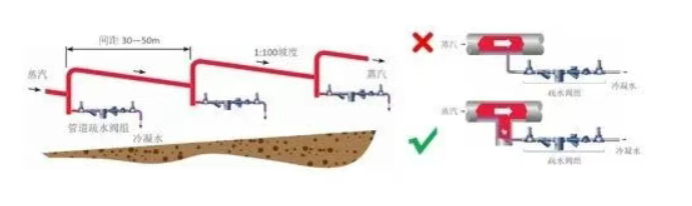
Effective measures include proper and well-designed drainage of steam pipelines and equipment, as well as the use of steam-water separators in processes with high steam quality requirements. In certain critical applications, such as tobacco production, comprehensive steam moisture control systems are implemented to maintain steam moisture content at extremely low and stable levels.
It is also important to note that steam moisture content fluctuates continuously with changes in temperature, steam load, and operator skill level. As a result, accurate measurement of steam moisture content, combined with rational optimization of process parameters, is essential for achieving consistent and stable product quality.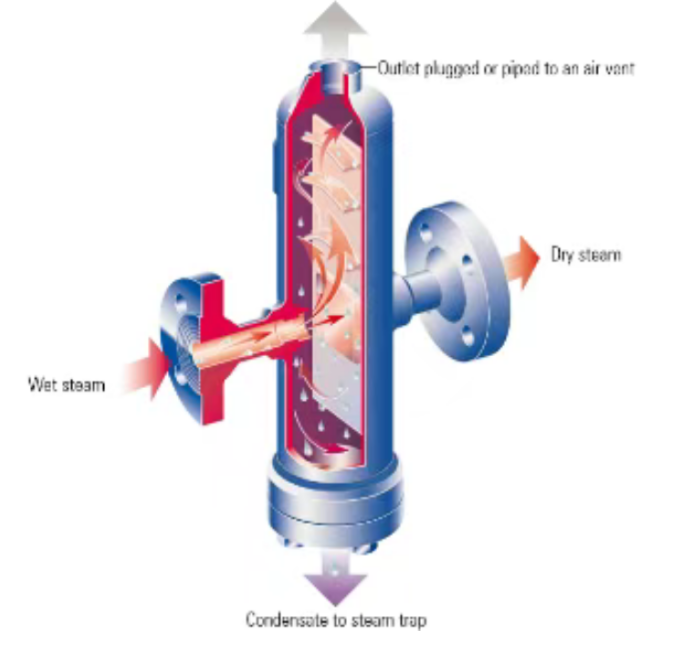
Ultimately, technical equipment and control measures are only tools. Long-term stability depends equally on efficient steam system management, regular maintenance, and the involvement of skilled technical personnel with a strong understanding of steam systems. Only by combining proper technology with professional management can manufacturers ensure stable processes and high-quality products.