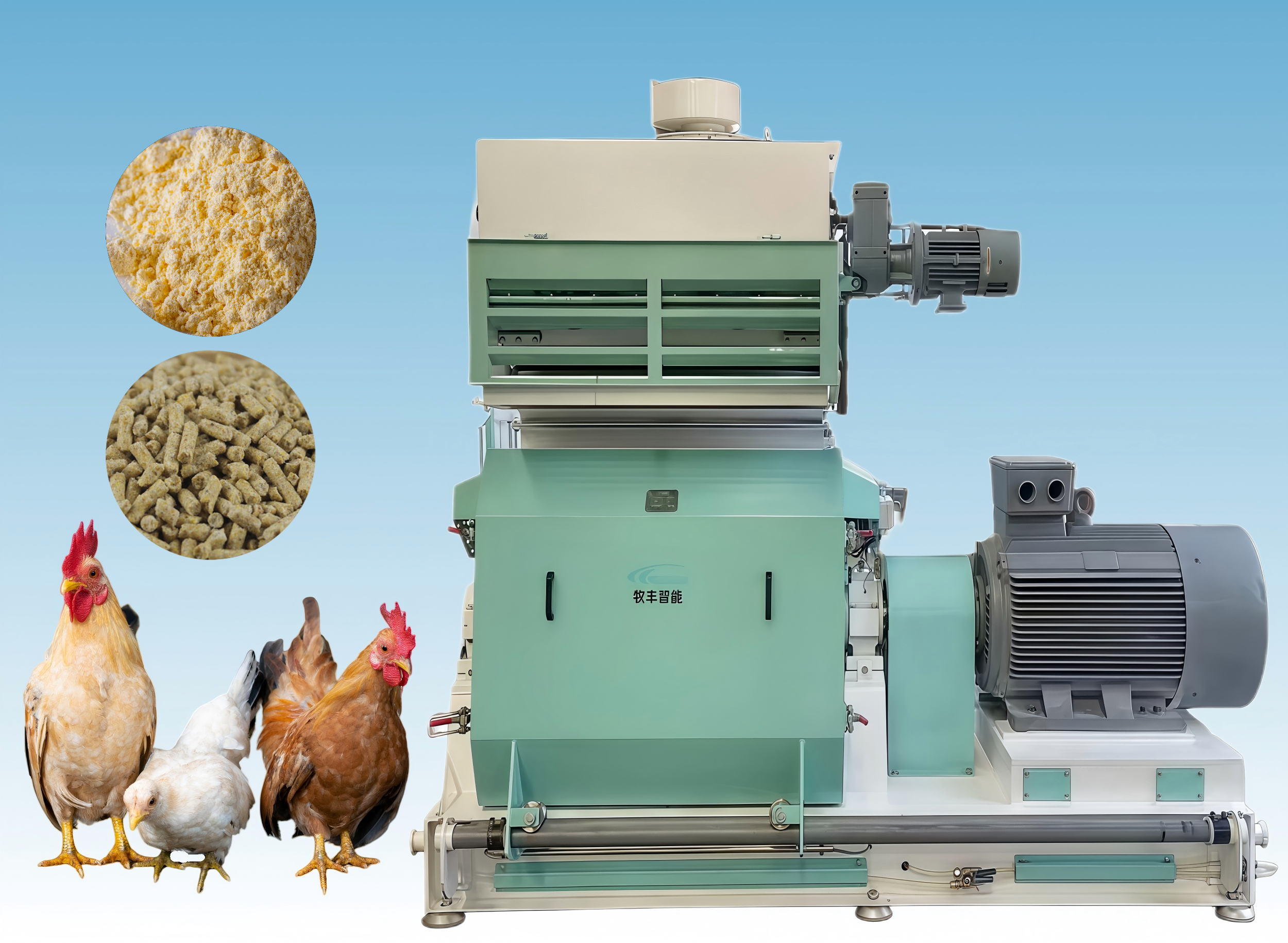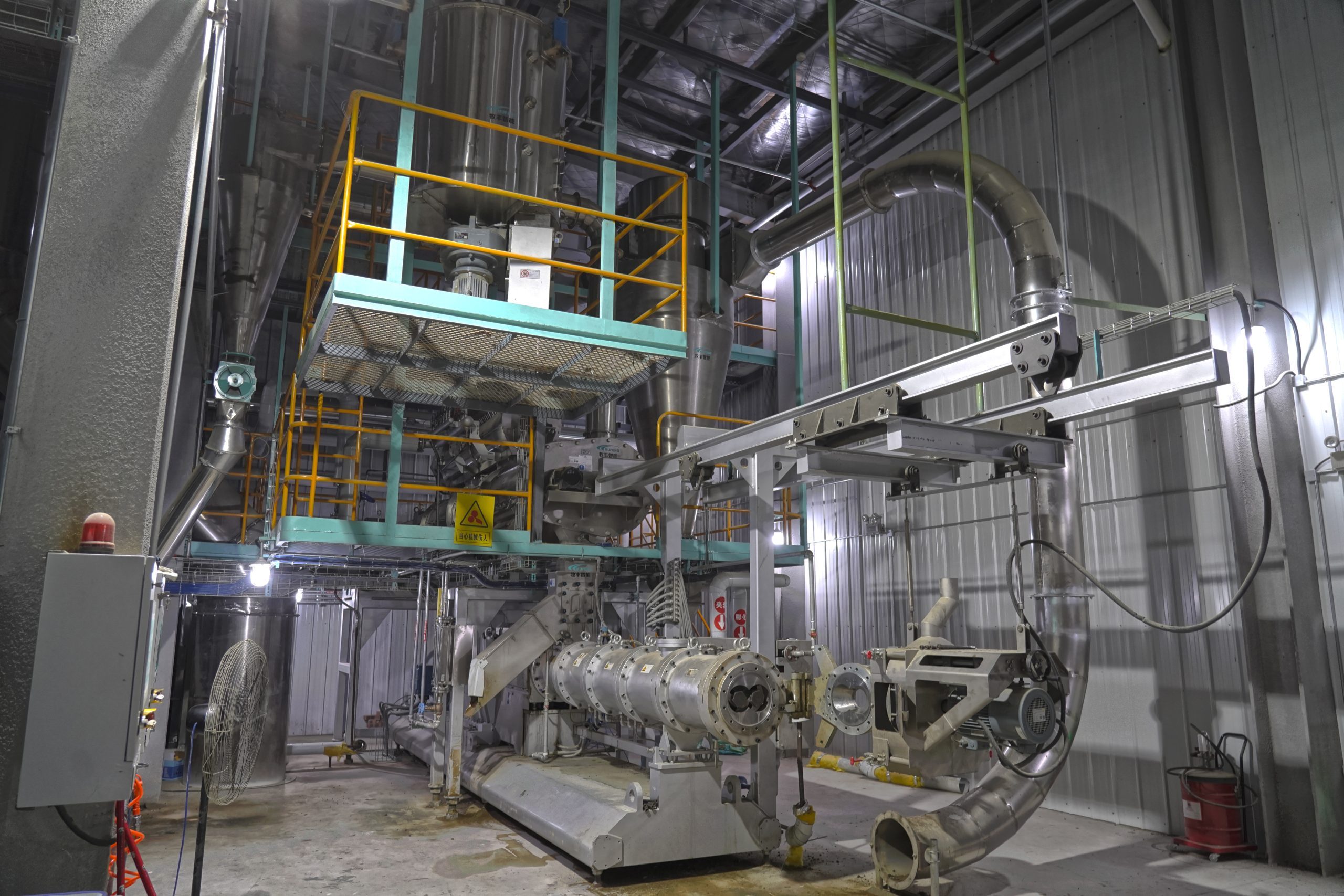

[2025.12.10] — Today, we welcomed a key client from Sri Lanka for an in-depth technical visit to our facilities, marking another milestone in our global cooperation in the feed machinery industry. The client first toured the 90 tons-per-hour fully automatic feed mill constructed by our company, gaining a close look at its operational stability, modern automation system, and high-capacity performance.
During the tour, our engineering team demonstrated the complete workflow of the plant, including:
Raw material receiving & cleaning system
Dual grinding system for high output
Smart batching & mixing system
High-efficiency pelleting section
Counterflow cooling + rotary screener
Fully automatic bagging & palletizing
Centralized intelligent control system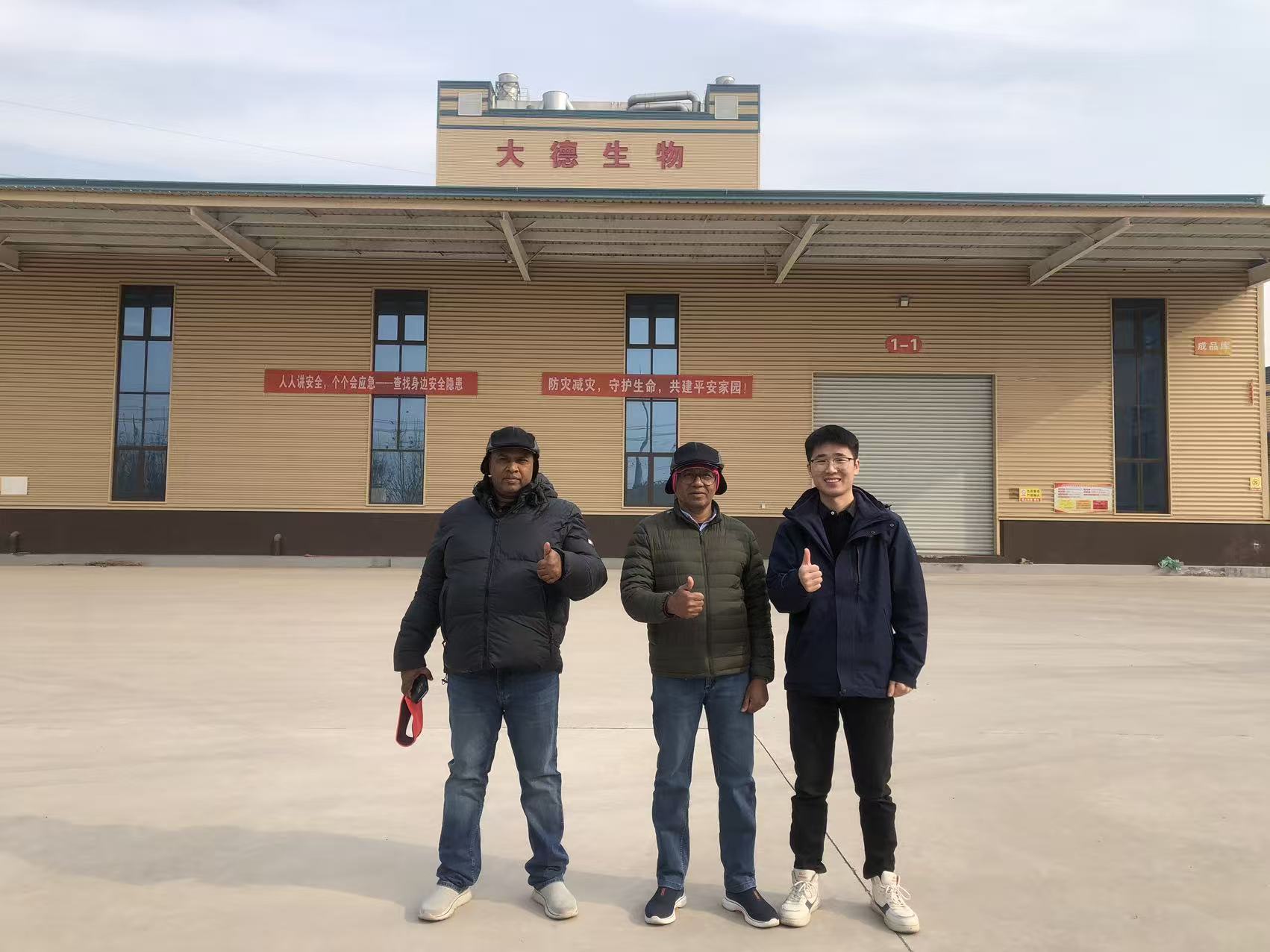
The client expressed strong satisfaction with the design, construction, and operational efficiency of the plant, remarking that the feed mill represents “a world-class level of engineering and production capability.”
Visit to Feed Machinery Manufacturing Workshop & Showroom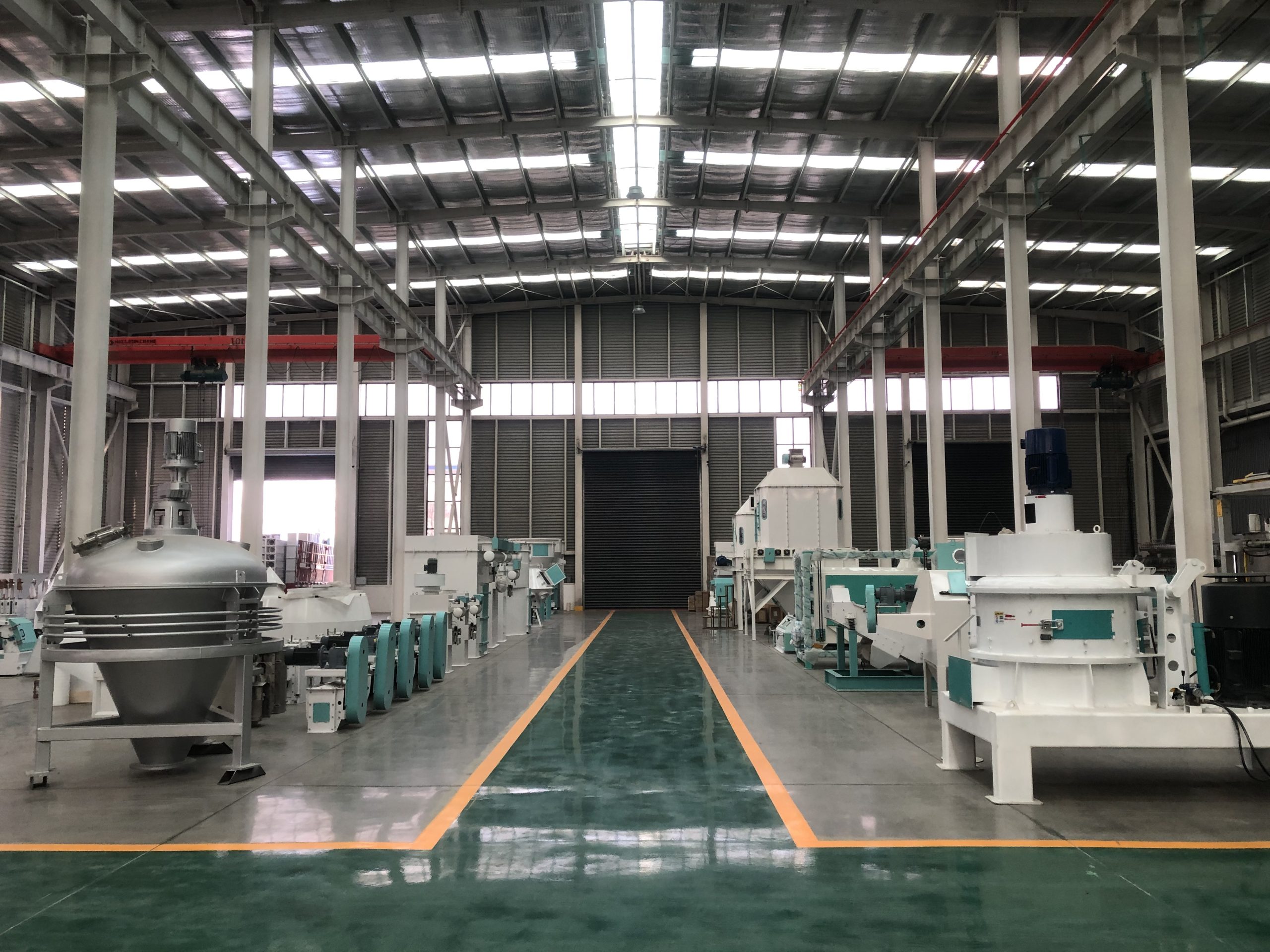
After the feed mill inspection, the client visited our feed machinery production workshop, observing the manufacturing process of key equipment such as hammer mills, mixers, pellet mills, coolers, and extrusion systems. The client also toured our equipment showroom, where they examined a wide range of completed machines and assembled system modules.
Our quality control procedures—including precision machining, welding technology, dynamic balancing, and performance testing—were showcased in detail, further strengthening the client’s confidence in our production strength.
Technical Meeting: Optimizing the Broiler Feed Production Line Layout
Addressing Factory Height Limitations with Tailored Engineering Solutions
After lunch, the technical meeting initiated with a key point: the client’s new broiler feed production project faces strict building height limitations in several sections of the plant. To resolve this challenge, our engineering team presented multiple optimization proposals, including:
Revised process flow arrangement to reduce vertical equipment stacking
Customized hopper volumes and support structures
Adjustments to the pelleting and cooling system heights
Re-layout of material conveying paths
Improved maintenance spaces and operator access routes
Simulation of real production scenarios to ensure long-term stability
Through detailed discussions, 3D layout review, and engineering verification, both parties successfully reached a unified agreement on the final plant layout.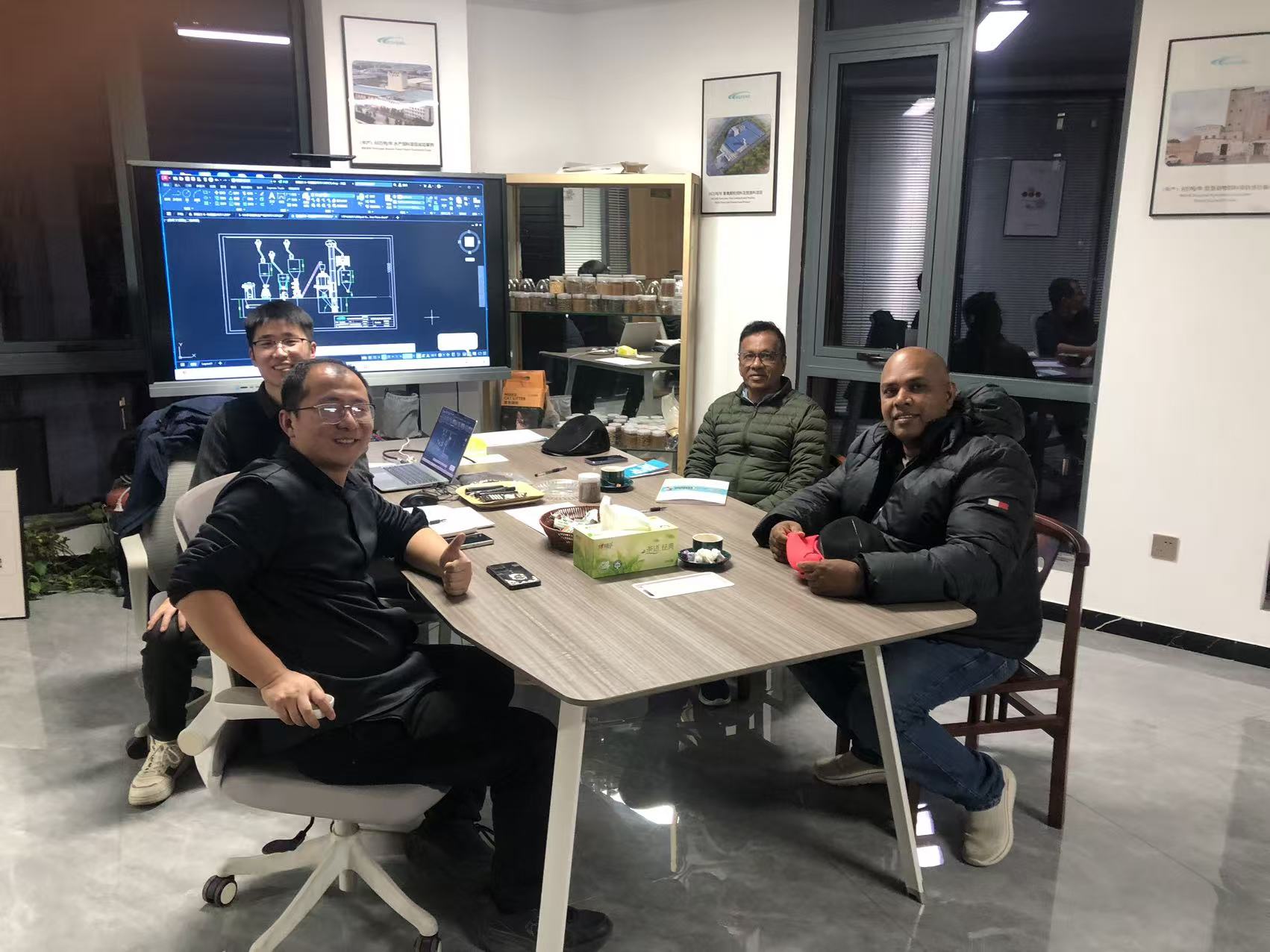
The refined design ensures:
Compliance with the client’s building limitations
A smooth and efficient production flow
Reduced installation complexity
Lower construction cost
Stable long-term operation with easy maintenance
A Significant Step Toward Advancing Sri Lanka’s Poultry Feed Industry
The successful visit highlighted our company’s capabilities in:
Large-scale feed mill turnkey solutions
Customized engineering design
High-efficiency broiler feed production lines
End-to-end project planning and execution
The collaboration not only reinforces bilateral trust but also lays a strong foundation for accelerating modern feed production development in Sri Lanka.
Call to Action — Partner With Us to Build Your Next High-Performance Feed Production Line
Looking to upgrade your feed mill, expand production, or build a new turnkey plant?
We provide complete solutions for feed mills ranging from 1–120 TPH, including engineering design, manufacturing, installation, commissioning, and training.
Contact us today to discuss your project requirements.
Let our engineering experts design a production line tailored perfectly to your needs.
Together, we help you achieve higher output, better feed quality, and lower operating costs.