
If a bag of cat food looks greasy on the surface, with oil seeping onto the inner walls of the packaging, how would you judge its quality? You’d likely conclude that it’s overly oily, prone to oxidation, and difficult to store.
Yet, in the pet food industry, high-fat formulations have become the mainstream approach for enhancing palatability and energy density. The inclusion of fish oil, chicken fat, and other animal fats is on the rise, with some products reaching fat content levels as high as 35% or even 40%. With conventional coating methods, fat merely adheres to the surface of the kibble—a process that often leads to oil seepage and clumping. Furthermore, the heat involved in extrusion and drying can degrade heat-sensitive nutrients like vitamins and amino acids.
The solution? Vacuum coating—a technology that is rapidly becoming the industry standard for premium pet food.
I. What is vacuum coating?
Simply put, vacuum coating involves using negative pressure to “force” fats into the internal pores of extruded kibble, rather than just applying them to the surface.
Extruded kibble is filled with tiny, air-filled pores. The vacuum coating process works as follows:
Create a vacuum → Air is drawn out from the kibble’s pores → Apply fat → Fat penetrates the interior of the kibble → Release the vacuum → Fat is firmly locked inside the pores → Apply liquid or powdered flavorings at atmospheric pressure → A final outer layer of flavor enhancers is applied.
This ensures the fat remains tucked away inside the kibble, leaving the surface dry and clean to the touch, while flavor enhancers, meat slurries, and powdered seasonings are applied in precise, layered coatings on the exterior. Research shows that the sequence and method of coating are critical to palatability: the detectability of flavor enhancers multiplied by the uniformity of the coating equals superior feeding performance.
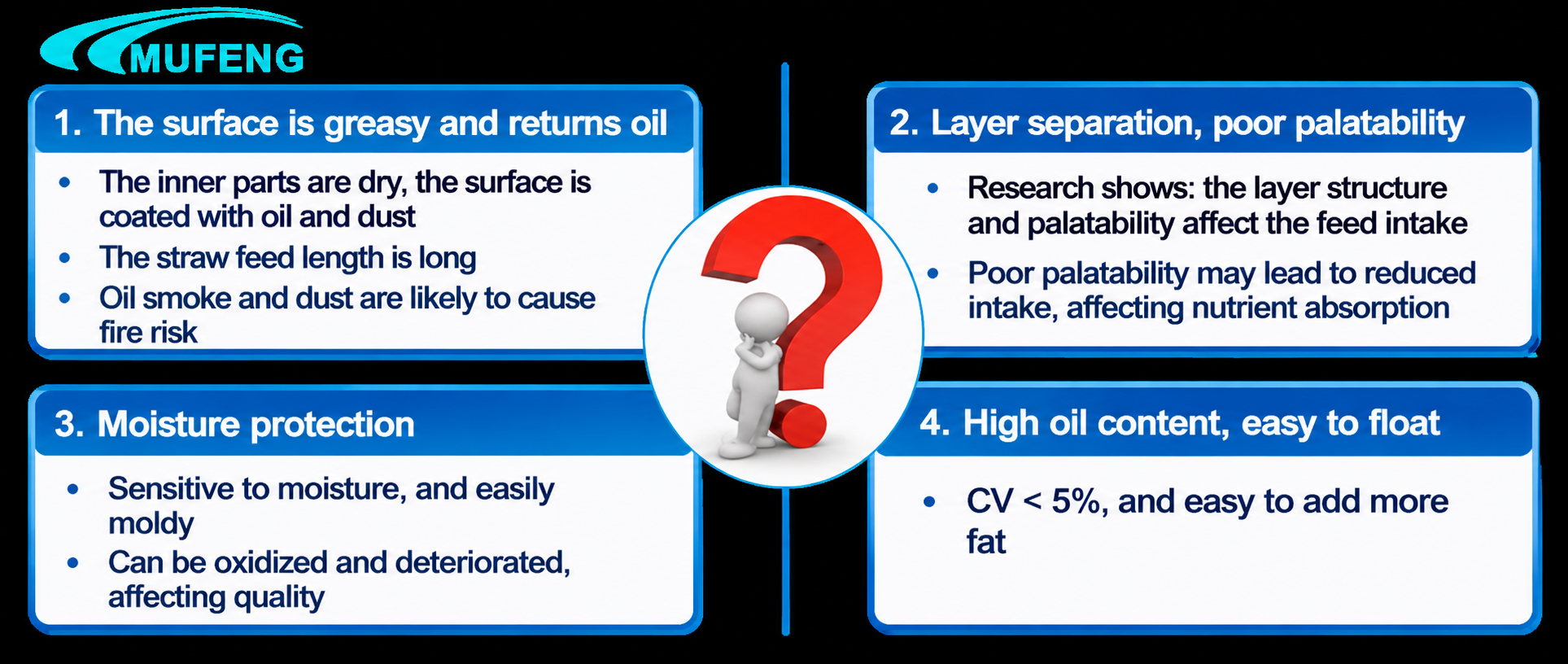
II. Four Key Advantages of Vacuum Coating
III. Not All Vacuum Coating Machines Are “Mufeng”
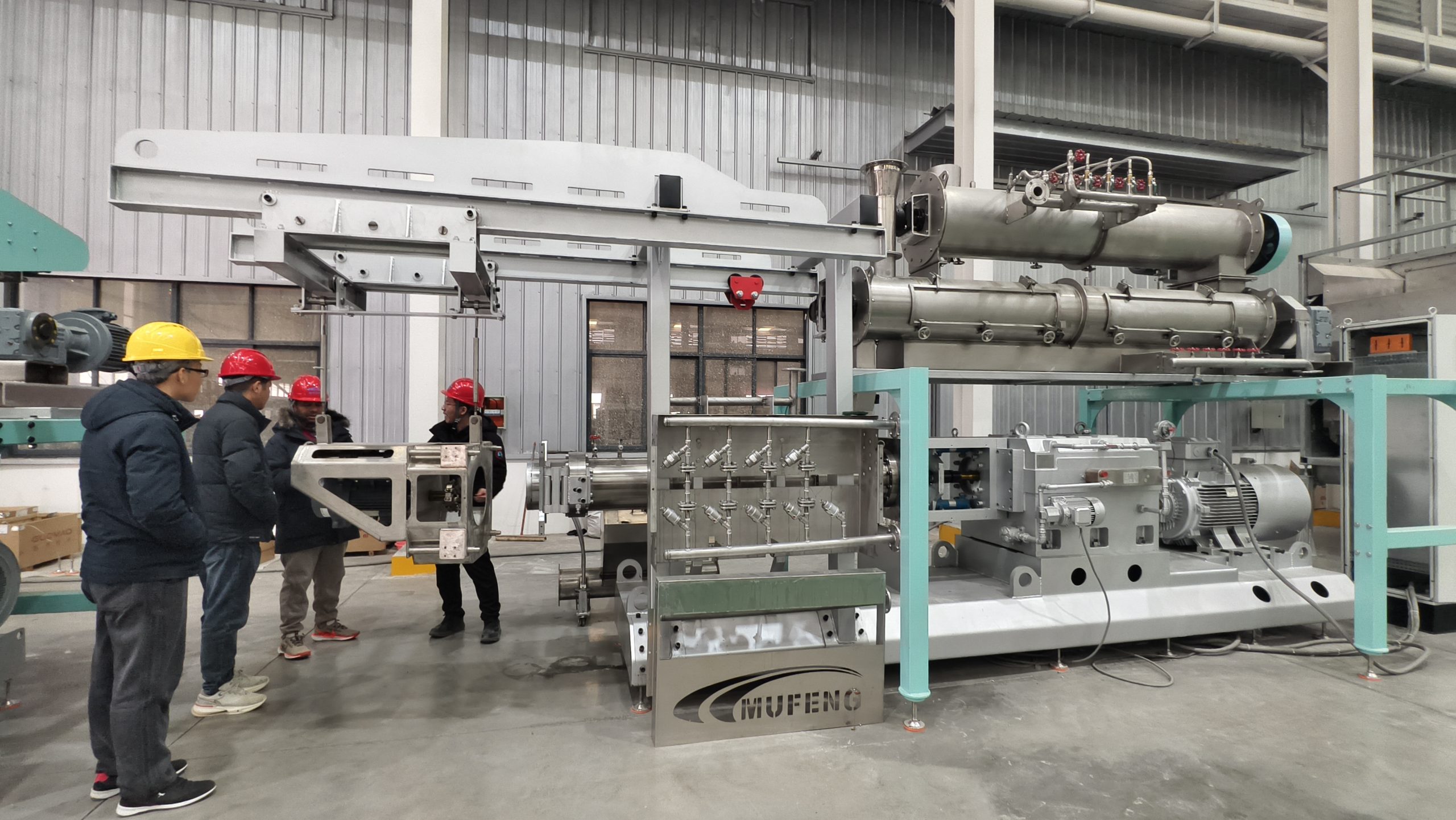
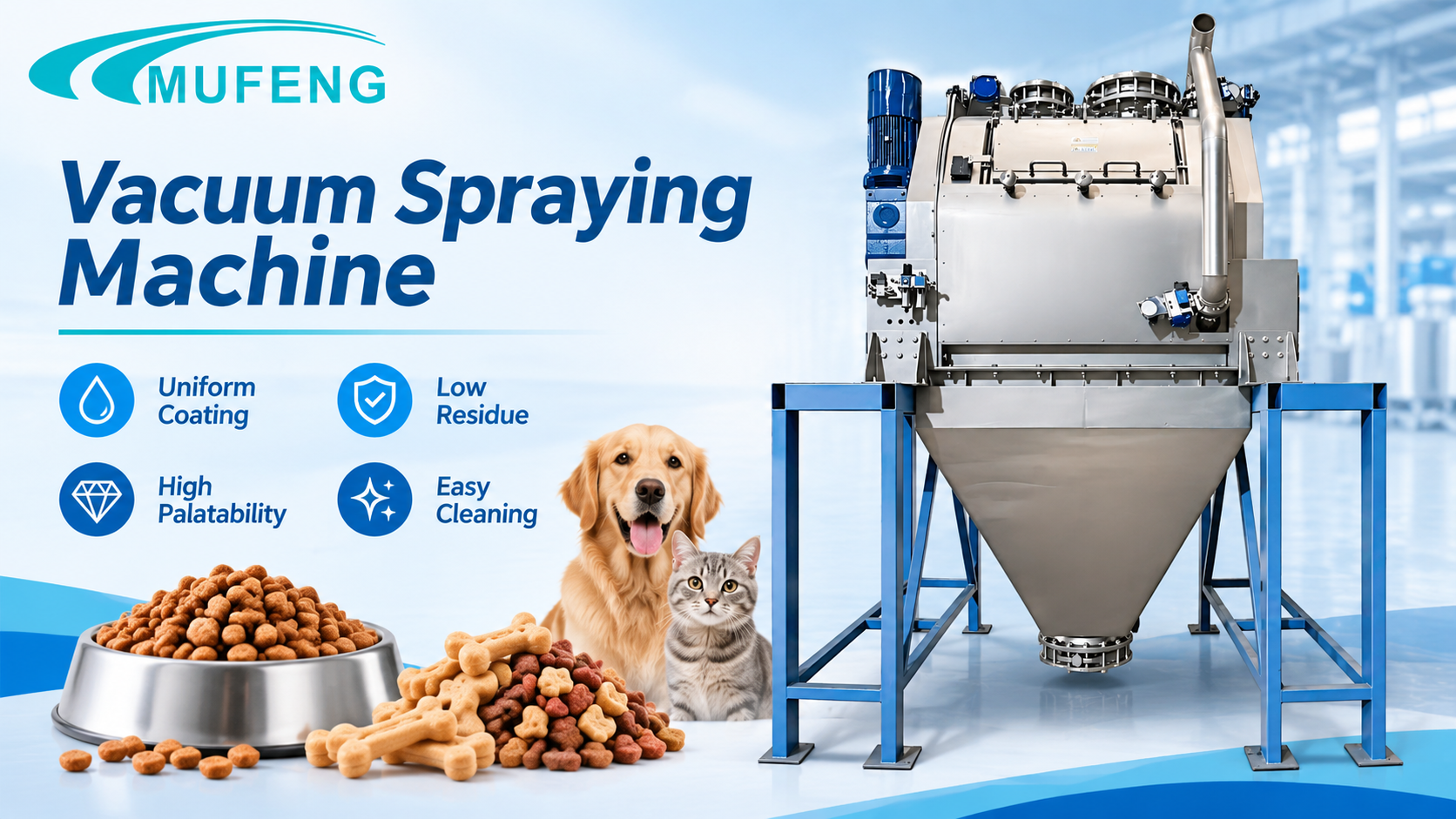
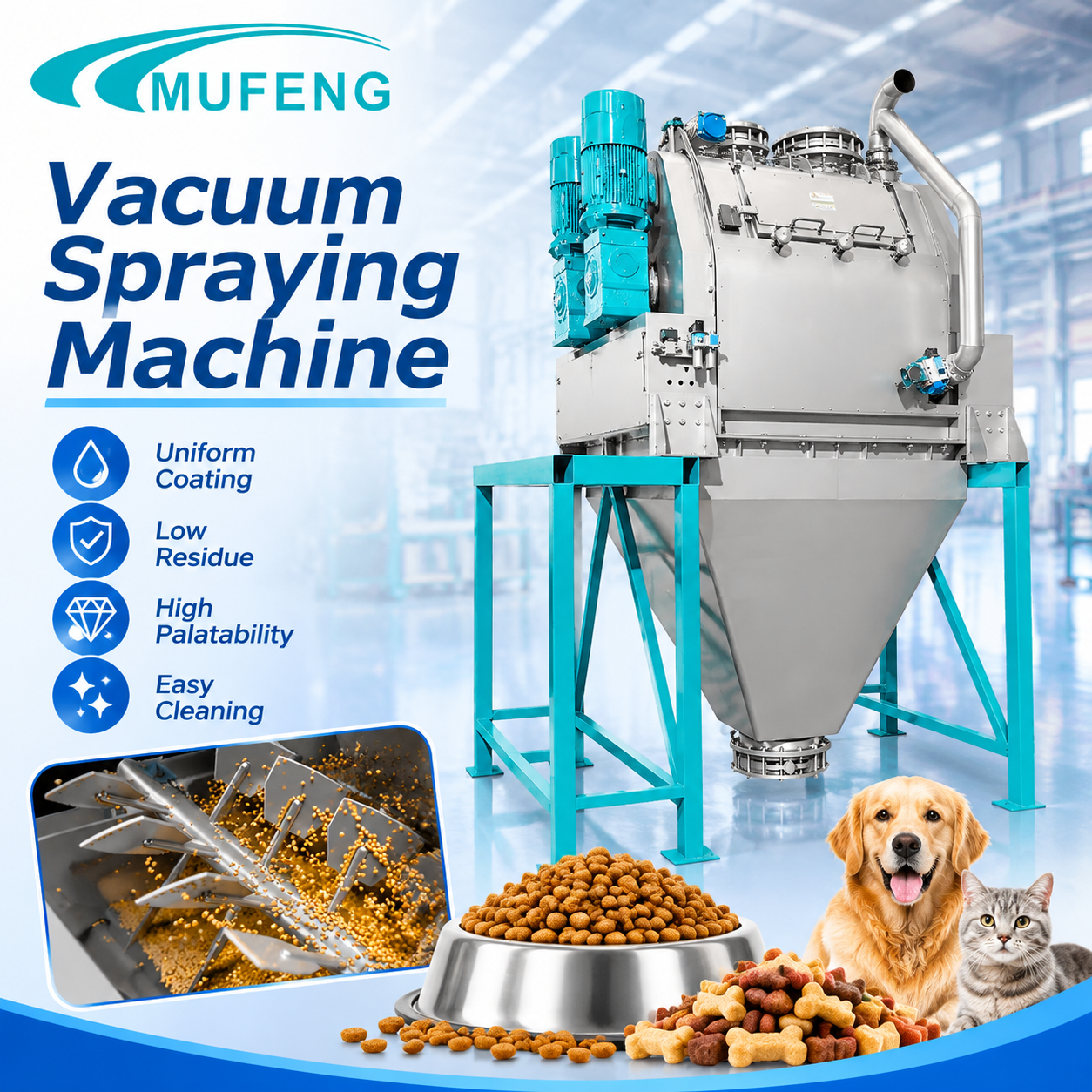
The manufacturing facility of Henan Mufeng Intelligent Equipment Co., Ltd. is equipped with precision machinery—including laser cutters, shearing machines, and press brakes—bringing automotive-grade precision manufacturing standards to the production of pet food processing equipment. The vacuum coating machine for pet food features several robust, high-performance highlights:
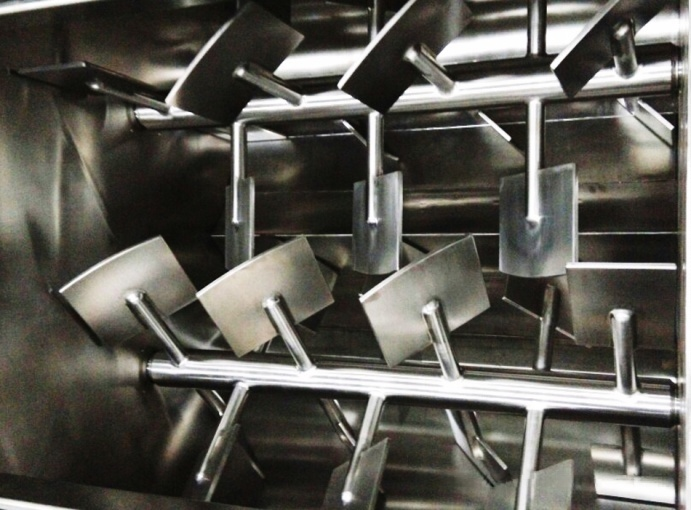
▎Dual-shaft paddle mixing with specially treated paddles to minimize material breakage
The dual rotors rotate outward, driving the material along the inner walls of the mixing chamber while simultaneously tumbling it from side to side. At the intersection of the two rotors, the material enters a state of momentary weightlessness, ensuring an even application of liquid coatings.
▎Residual rate ≤ 0.05%
Designed with a full-length, 60-degree wide-opening discharge door to minimize material residue.
▎Precise liquid addition (1%–35%)
Oil supply lines are engineered for various dosage requirements (segmented for 1%, 2%, 4%, and 5% addition rates), with a dedicated, separate line for slurries. The spray lance angle is optimized for superior atomization, and the piping includes a pneumatic purging system with compatibility for CIP (Clean-in-Place) integration.
▎Hygienic design for comprehensive cleaning
The interior is free of “dead zones.” An extra-large access door allows personnel to enter for thorough scrubbing. Components such as spray nozzles and air-return ducts are designed for quick disassembly. The machine body features electric heating and a jacketed insulation structure to prevent condensation. A post-cleaning hot-air drying system eliminates the risk of microbial growth, while the vacuum pump exhaust is equipped with an oil-mist filter to maintain a clean, sanitary production environment.
IV. Real-world Case Studies
V. Conclusion
The evolution of pet food is trending toward higher fat content, improved palatability, and better retention of nutrients—and vacuum coating is the essential technology to make these goals a reality.
If you are struggling with issues like oil seepage, poor palatability, the loss of heat-sensitive nutrients, or “feline acne” (black chin) in pets, please contact Henan Mufeng to discuss your production line requirements.