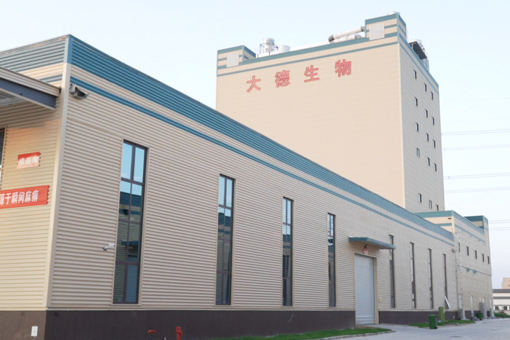

Feed mill production involves a wide range of roles; these are summarized below in sequential order.
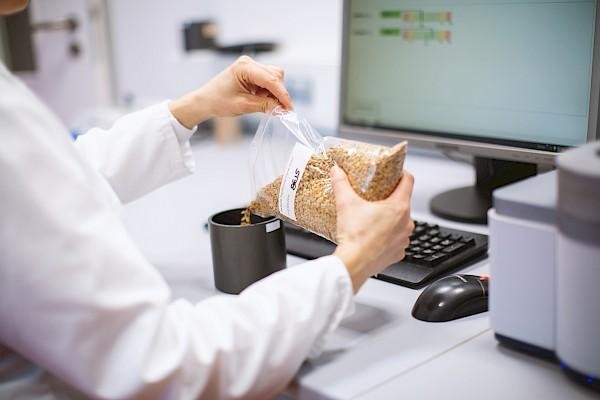
I. Quality Inspection of Incoming Raw Materials:
Ensuring smooth production and consistent, high-quality finished products depends fundamentally on the quality of the raw materials. Therefore, the quality inspection of raw materials upon arrival serves as the first line of defense for product quality. The process for incoming raw materials is as follows:
Step 1: Weighing. Designated personnel record the details, including the vehicle’s gross weight, license plate number, origin of the goods, supplier, and the name of the material.
Step 2: Vehicle Inspection. Quality control (QC) staff inspect the transport vehicle to ensure it is properly covered (e.g., with a tarp or canopy) and check whether the cargo has been exposed to moisture or rain.
Step 3: Sampling and Visual Inspection. Samples are collected from various locations within the shipment. During sampling, the raw material is visually assessed for characteristics such as shape, color, odor, taste, presence of foreign matter, clumping, mold, or dampness.
Step 4: Laboratory Analysis. Samples are sent to the laboratory for testing, and the corresponding documentation—including sample identification numbers, supplier details, and quantities—is recorded.
Step 5: Unloading and Warehousing. Raw materials in independent packaging may be unloaded and stored before laboratory results are available; however, QC staff must perform additional sampling during the unloading process, opening packages for inspection if necessary. For raw materials without independent packaging, unloading is permitted only after the laboratory test results have been received and verified.
Throughout the raw material inspection process, QC staff are expected to be diligent and detail-oriented. Sampling must be conducted at varied, non-fixed locations, and staff must strictly adhere to operational protocols. Random checks should be performed during the unloading process to ensure the accuracy of the inspection work.
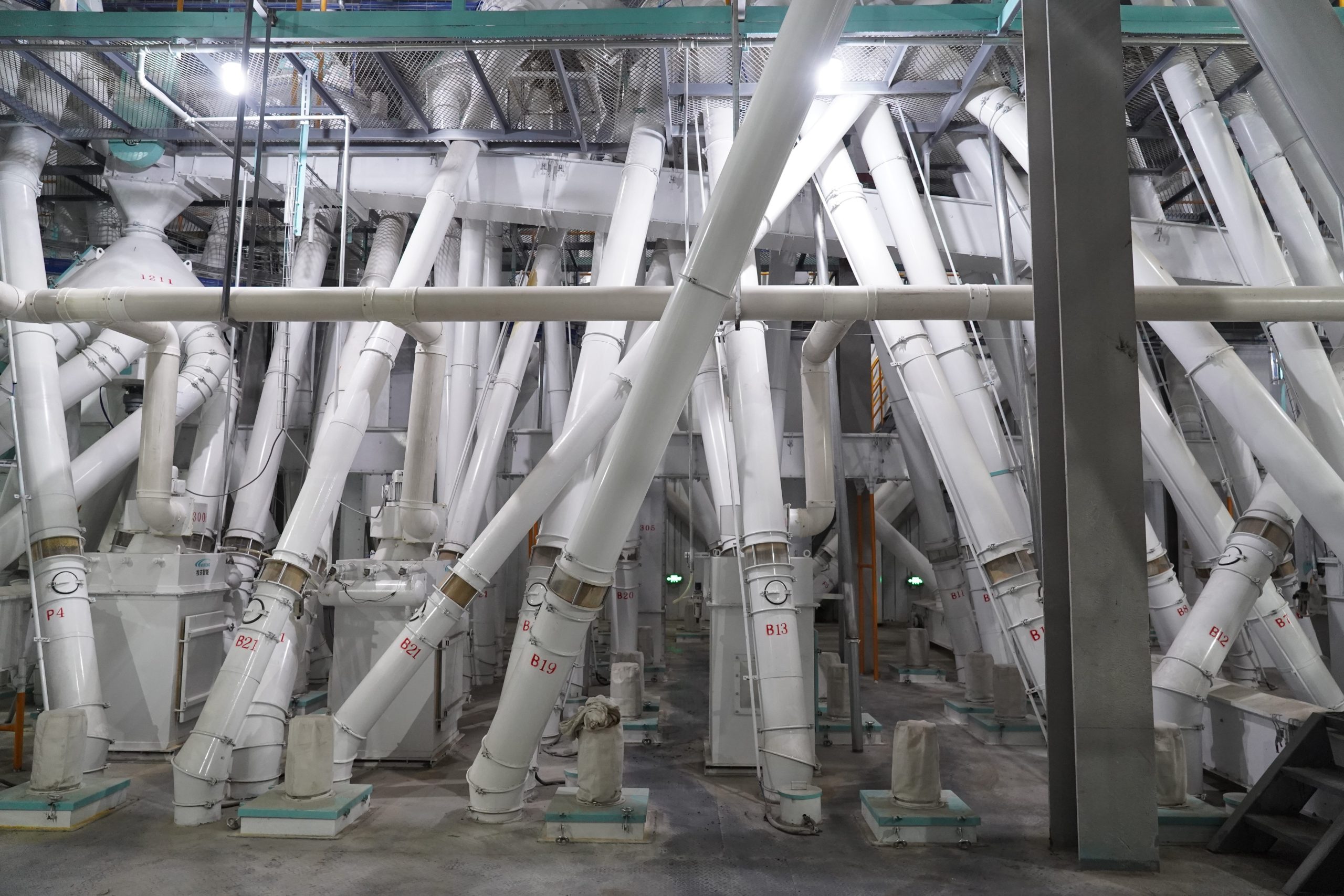
II. Raw Material Warehousing and Storage:
Once raw materials have passed quality inspection, they are cleared for entry into the warehouse for storage.
Step 1: The warehouse keeper communicates with quality inspection personnel to record the name, quantity, batch number, and origin or supplier of the raw materials.
Step 2: Unloading and warehousing. Professional personnel carry out the unloading process, while the warehouse keeper supervises to ensure that each pallet is stacked neatly and the quantities are accurate. The warehouse keeper directs the forklift operator to place each pallet in its designated, orderly position within the warehouse. (Note: Due to the specific characteristics of certain raw materials, careful attention must be paid to their storage locations. General principles include: keeping fish meal and soybean meal separate; separating piglet feed from materials with strong odors; storing feather meal separately; keeping liquid and solid materials apart; and separating key/specialized raw materials from standard ones. Follow the “first-in, first-out” (FIFO) principle during usage.)
Step 3: Labeling. Under the guidance of quality inspection personnel—based on laboratory test results—the warehouse keeper attaches labels to the stored raw materials. Each label must specify the material name, quantity, origin or supplier, batch number, and usage status. (Materials awaiting test results, those that failed inspection, or those that passed inspection but have not yet been cleared for use must be marked with a “prohibited/do not use” label; materials currently in use must be marked with an “in use” label.)
Step 4: Storage and maintenance. The warehouse keeper must conduct daily inspections of the warehouse and assist quality personnel in performing random sampling to verify the quality of stored materials. The keeper updates labels based on the current status of the materials, issues raw materials according to the daily production batching/input requirements, ensures the warehouse remains neat and tidy, and maintains accurate inventory records.
This stage requires our warehouse and quality inspection personnel to be diligent and responsible. They must conduct spot checks based on the local storage duration of each raw material to ensure that all materials used in production are qualified and reliable. Warehouse staff should manage the sequence of material issuance for production by strictly adhering to the “First-In, First-Out” (FIFO) principle. They must also ensure that signage and labels—detailing key specifications for the raw materials—are kept up to date. During the issuance process, it is critical to verify that the material name, quantity, and relevant technical parameters align with production requirements. Ideally, warehouse staff should receive training in raw material quality inspection so they are proficient in performing preliminary checks.
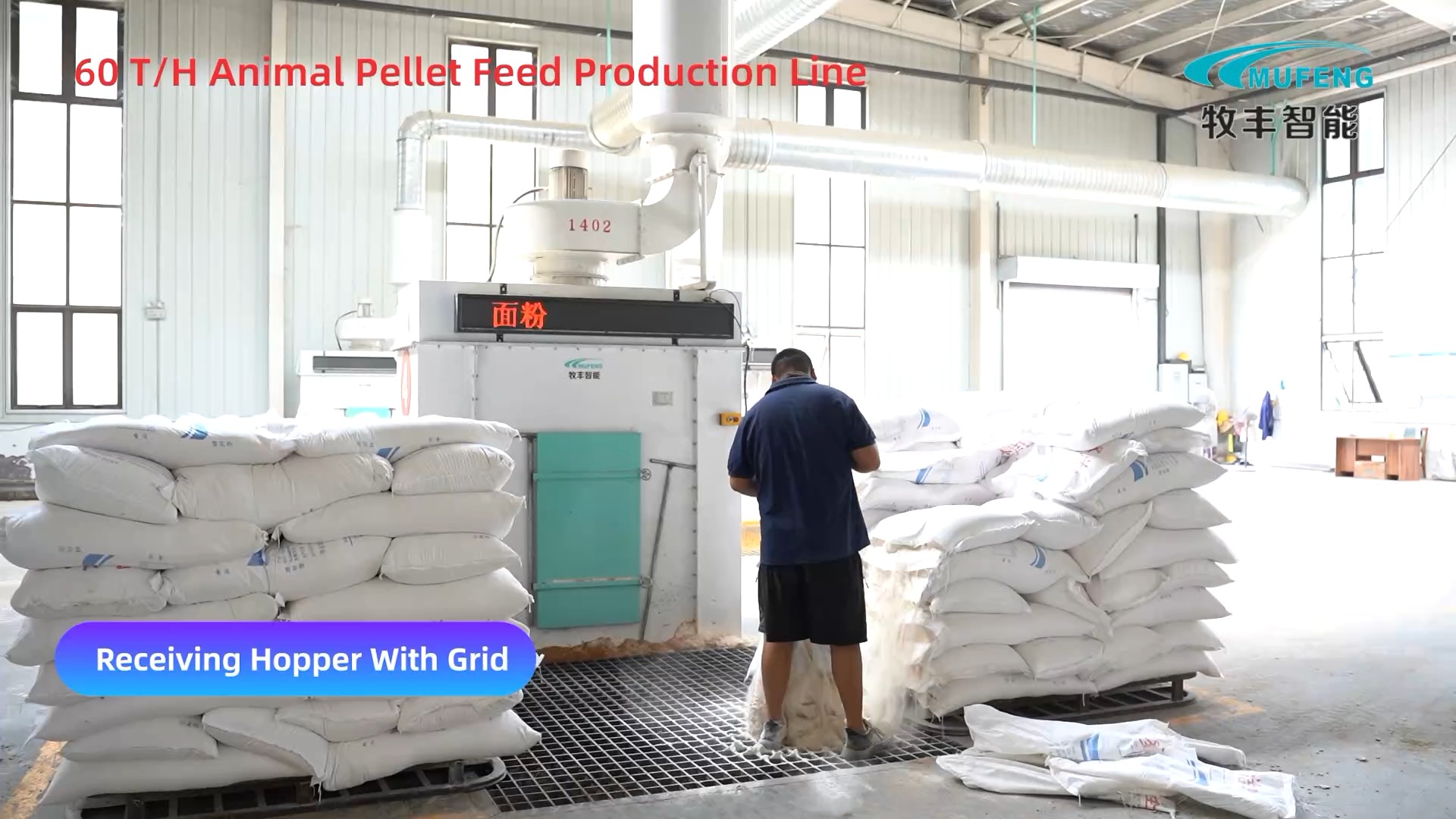
III. Material Weighing:
In the production process, certain raw materials are used in very small quantities; therefore, designated personnel are required to weigh these materials to meet production needs.
Step 1: Upon receiving the “minor ingredient” (additive/supplement) dosage plan and the material requisition form, the weighing operator must promptly collect the required raw materials and packaging bags from the warehouse. Warehouse staff must cross-reference the requisition form with the dosage plan to ensure accurate issuance. If a full bag is not required, the appropriate amount is dispensed, and the remaining portion must be returned to the warehouse by the weighing operator.
Step 2: After collecting the materials, the electronic scales to be used must be calibrated to ensure they meet the required operational standards.
Step 3: Materials are weighed and bagged according to the dosage plan. Each type of ingredient must be weighed completely before moving on to the next. Once weighed, items of the same type should be grouped together; all ingredients for a specific production plan should then be consolidated and clearly labeled to indicate which production plan they belong to. Whenever switching to a different type of material, all weighing tools must be thoroughly cleaned to prevent cross-contamination, which could otherwise lead to inaccurate weighing.
Step 4: After weighing is complete, return any remaining materials to the warehouse and hand them over to the warehouse keeper. The warehouse keeper shall then categorize and weigh the returned materials. By cross-referencing these with the original outbound requisition for the specific production plan, the keeper calculates the actual quantity of each raw material type consumed. This figure is then compared against the planned usage to ensure accuracy.
Step 5: Once weighing is finished, clean and organize the tools and the workspace.
This process focuses on the weighing of minor ingredients, with the primary objective of ensuring that the actual quantity used aligns with the planned quantity. The warehouse keeper serves as a final check, verifying the total quantity consumed for each category of raw material. Workers are expected to be diligent and patient, ensuring that materials are arranged correctly after weighing to avoid any misplacement.
IV. Material Feeding:
This stage marks the true beginning of the production process; it is a critical phase that determines whether production can proceed smoothly and whether operational efficiency can be maximized.
Step 1: Inspect and perform maintenance on the necessary equipment, initiate the preheating process, and ensure the workspace is clean and organized.
Step 2: Upon receiving the material feeding plan and the outbound requisition, workers proceed to the raw material warehouse to collect the required items. The warehouse keeper carefully verifies the feeding plan against the requisition and releases the materials in the sequence specified in the feeding plan. During this process, the keeper must verify the material type, name, quantity, and batch number, while strictly adhering to the “first-in, first-out” (FIFO) principle.
Step 3: Once the materials have been retrieved, they are arranged according to the specified feeding sequence. A recorder and a quality inspector then document the materials and conduct quality checks. The operator responsible for feeding notifies the central control room—specifying the types, names, and quantities of the materials—and proceeds with the feeding process only after receiving authorization from central control. A key focus here is the addition of minor ingredients.
Since several different minor ingredients are added to a single batch, a quality inspector must perform a spot check after these items are retrieved from the warehouse (and already weighed) to verify their type, weight, and quantity against the production plan. Before adding each minor ingredient to a batch, the operator must weigh it using an electronic scale and compare the result with the specified weight in the production plan to ensure accuracy before proceeding with the addition.
Step 4: After each type of raw material has been added, the equipment should be left to run empty for 1–3 minutes. During this time, the area around the feeding point must be cleaned. Once this is done, the operator should coordinate with the central control room before proceeding to add the next type of raw material. The area at the minor ingredient feeding station must be cleaned after every addition.
Step 5: When adding raw materials, it is essential to determine whether they require grinding and to select the appropriate feeding inlet. During the addition process, the raw materials must be visually inspected for quality; any irregularities—such as clumping, mold, dampness, or the presence of foreign objects—must be reported to a quality inspector for immediate resolution. For every addition, the name, batch number, quantity, and time of addition must be recorded, and this record must be submitted to the central control room before the end of the shift.
Step 6: Once all raw materials have been added, the equipment should run empty for 3–5 minutes. The work area must be thoroughly cleaned, and the equipment checked to ensure it is functioning properly. Afterward, the equipment should be shut down, cleaned, and maintained, with any foreign objects trapped by filters removed.
V. Pelletizing:
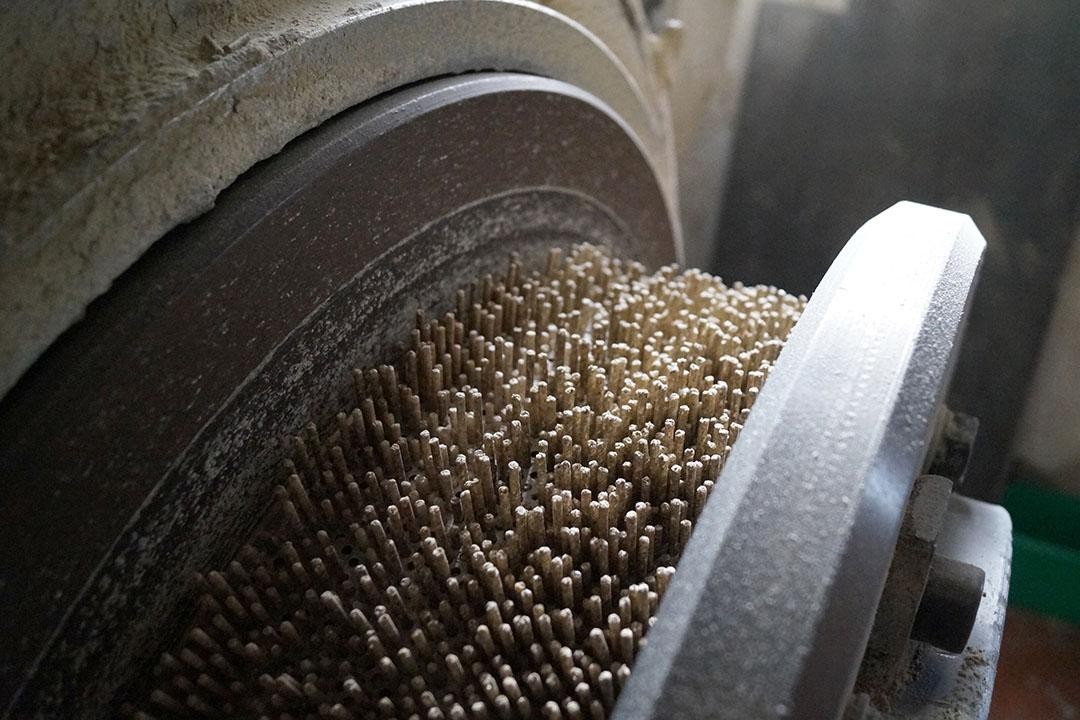
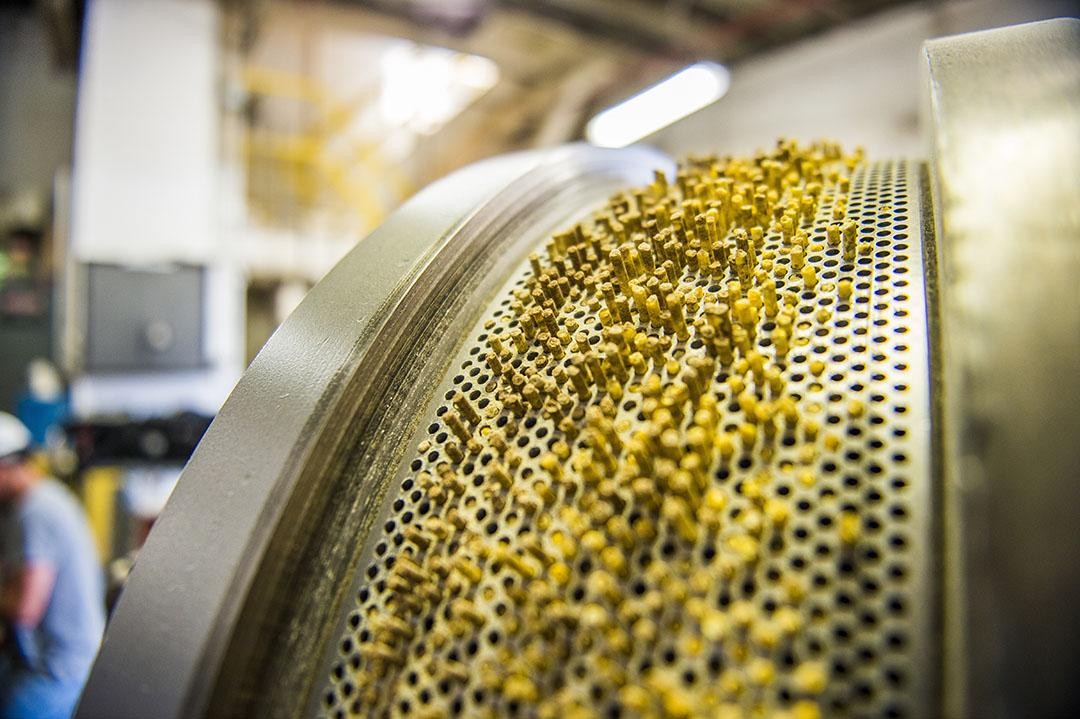
Pelletizing is a critical stage in the production of pelleted feed. During this process, the primary focus is on monitoring temperature, air pressure, and electrical current.
Step 1: Equipment setup. Upon receiving the production plan, verify that the pellet mill is equipped with the correct ring die; replace it if necessary. Perform routine maintenance, including lubrication, equipment inspection, and draining any water from the condenser pipes.
Step 2: Open the discharge port and start the equipment in the required sequence.
Step 3: Operate the equipment at a low speed, begin a gradual feed of raw materials, and introduce steam. Once the material reaches the optimal conditioning state, close the discharge door and proceed with full-scale feeding.
Step 4: Adjust the equipment settings to achieve a stable operating state and commence production.
Step 5: Upon completion of production, promptly clear any remaining material from the conditioner and thoroughly clean the pellet mill. This stage requires operators to be attentive, quick to react, and strictly adherent to established operating procedures. Operators must also have a clear understanding of the specific ring die requirements and conditioning standards for each unique formula.
VI. Central Control:
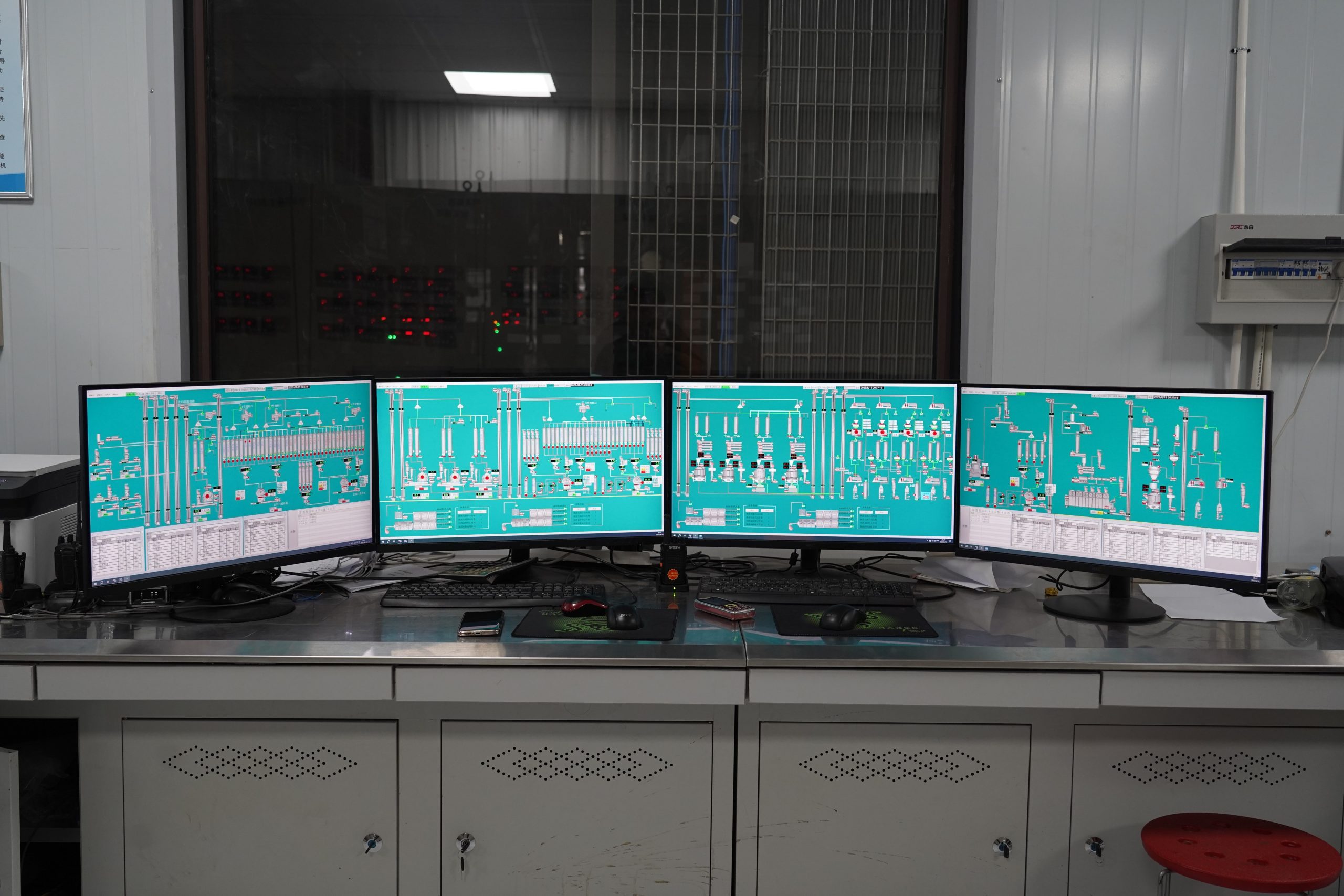
This stage serves as the central nervous system of the entire production process. All information from the production line is funneled here, and all operational commands are issued from this point.
Step 1: Calculate the required raw materials based on the production plan and the corresponding formula. In coordination with the silo inspector—who provides updates on current storage levels—develop a replenishment plan (specifying the types, quantities, and sequence of materials, as well as the designated storage silos). Communicate this plan to the raw material warehouse staff and the personnel responsible for feeding materials.
Step 2: Start the relevant equipment in the correct sequence, verify that all machinery is functioning properly, and allow the equipment to warm up. Simultaneously, input the necessary parameters into the computer control system according to the production plan and formula.
Step 3: Once the feeding staff confirms that the raw materials are in place, initiate the material discharge and begin the production process based on the current storage status. During the production process, make timely adjustments based on input from material handlers, warehouse inspectors, granulation operators, and equipment status indicators to ensure smooth production. Notify warehouse inspectors to conduct routine checks and maintain accurate, up-to-date records.
Step 4: Upon completion of production, shut down the equipment in the prescribed sequence, document the day’s production activities, and clean the workspace. This stage of the process requires personnel to be highly responsible, detail-oriented, patient, and quick-thinking.
The above content is for reference only.