
I. Particle Size: Finer grinding of the raw material facilitates the hydrothermal treatment process. Conversely, coarser material has a lower water-absorption capacity, resulting in poor conditioning.
II. Bulk Density: The bulk density of the material directly affects production output. When producing pellets of the same specifications, materials with a higher bulk density yield greater output and consume less power. Conversely, materials with a lower bulk density result in lower output and higher power consumption.

III. Influence of Chemical Composition
1) Starch Content: Different forms of starch affect the pelletizing process in various ways. Raw starch particles have rough surfaces, which create greater resistance during pelletizing; a high content of raw starch leads to lower production output and increased wear on the die. Furthermore, raw starch particles bond poorly with other components, resulting in a loose final product. In contrast, cooked (gelatinized) starch exists as a gel after absorbing water during the conditioning process. This gel facilitates the passage of material through the die holes, thereby increasing production output. Upon drying and cooling, the gel acts as a binder for surrounding components, enhancing the quality of the finished pellets. During the pelletizing process, starch granules undergo partial breakdown and gelatinization—triggered by steam cooking and the pressure exerted by the die and rollers—which generates adhesiveness, resulting in a denser pellet structure and improved quality. This effect depends not only on the structure and properties of the specific starches present but also on the fineness of the ground material. Therefore, when using ingredients like corn or sorghum, careful attention must be paid to the particle size after grinding.
2) Protein: Proteins undergo denaturation when heated, which enhances their binding capacity.
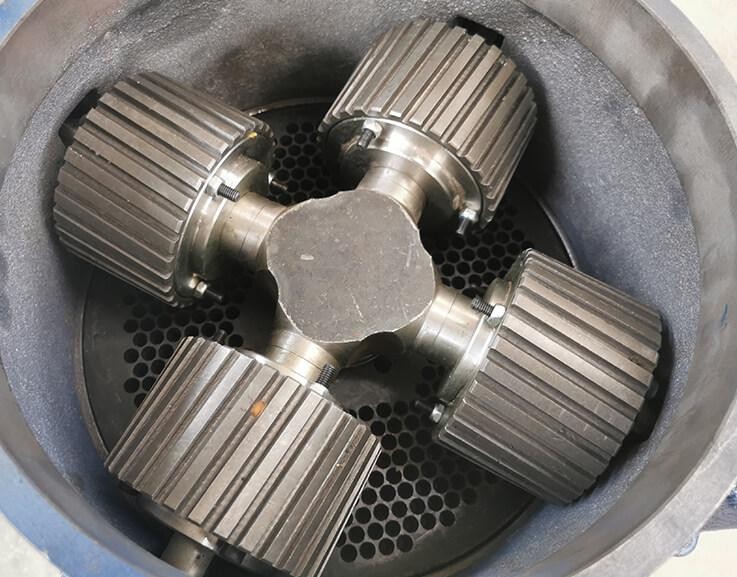
3) Fats/Oils: Fats naturally present within the raw materials are generally not squeezed out by the temperatures and pressures encountered during pelletizing, and thus have a relatively minor impact on the process. However, the addition of external fats or oils has a significant effect on both the production output and the quality of the pellets. Adding 1% fat to the feed mixture softens the pellets, significantly increases pelleting throughput, and reduces wear on the die and rollers. However, if the oil content of the raw material is too high prior to pelleting, the resulting pellets will be loose or crumbly. The amount of fat added before pelleting should be limited to no more than 3%.
4) Molasses: Typically added at levels below 10%, molasses acts as a binder and helps increase pellet hardness; its effectiveness depends on the material’s capacity to absorb it.
5) Fibrous material: While fiber itself lacks inherent binding properties, an excessive amount creates too much resistance, leading to reduced throughput and accelerated wear on the die. Materials with high crude fiber content are porous and loosely structured; therefore, moisture levels entering the die must be carefully controlled. If moisture and temperature are both too high, the pellets may expand rapidly upon exiting the die, making them prone to cracking.
6) Heat-sensitive ingredients: When processing materials that degrade under heat—such as certain vitamins or flavoring agents—the pelleting temperature should be lowered, and these ingredients should be added in excess to ensure that the final product retains the required effective levels.
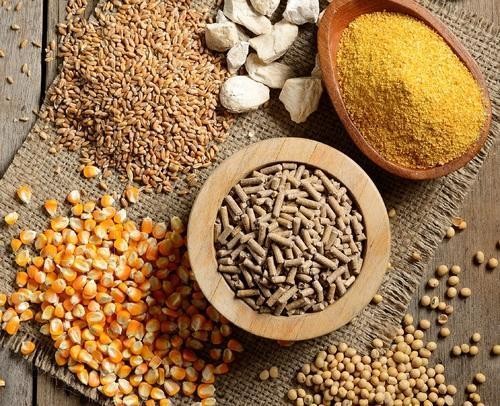
IV. Binders: Some feed formulations lack sufficient starch, protein, or other binding components, making them difficult to pelletize. In such cases, binders must be added to achieve the desired pellet durability.
Physical and chemical changes in proteins, carbohydrates, fats, and vitamins during the pelleting process:
Proteins:
Physical changes: The pelleting process tends to reduce the water solubility of proteins. The extent of this reduction varies depending on the type of raw material and its initial protein content. In general, the higher the protein content, the more significant the decrease in water solubility. Furthermore, the degree of “cloudiness” (or turbidity) is a factor: higher turbidity correlates with lower protein water solubility. Changes in chemical properties: Proteins undergo gradual degradation, which reduces the time required for their hydrolysis within the digestive tract. Throughout this process, the total protein content remains essentially unchanged, and there is no significant decline in the stability or nutritional value (potency) of amino acids.
Carbohydrates:
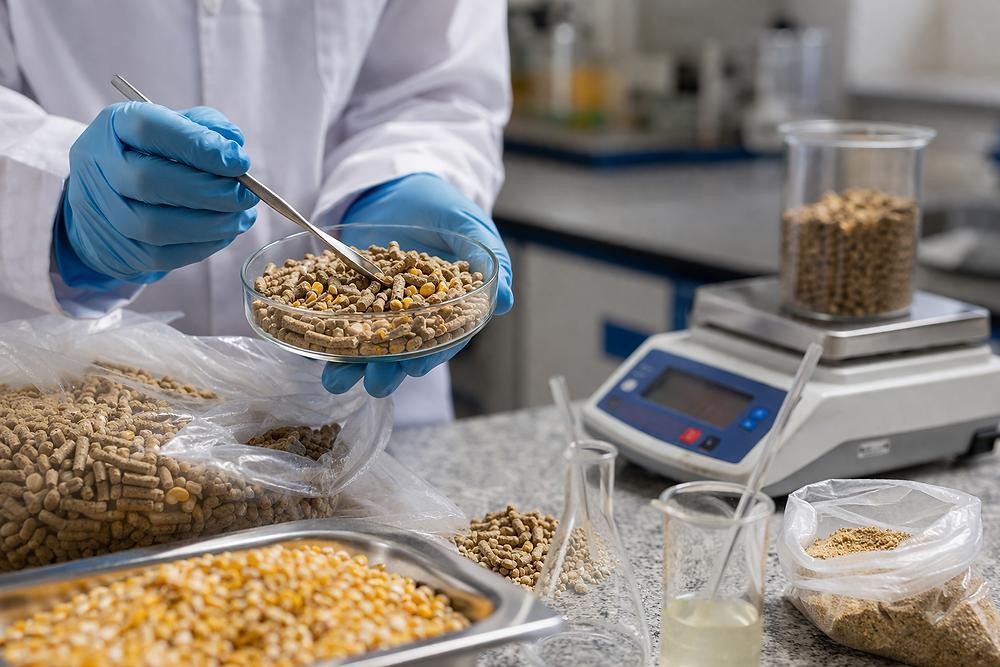
Physical changes: Starch absorbs moisture and begins to dissolve, losing its original crystalline structure. Since different types of starch have varying swelling temperatures, high-temperature extrusion can achieve the desired degree of starch gelatinization. This processing technique simultaneously improves both pelletability and nutritional quality; the resulting structural form offers protective benefits and enhances feed utilization.
Chemical changes: In addition to expansion (puffing), starch also undergoes hydrolysis, creating more favorable conditions for enzymatic digestion in animals. Furthermore, the pelletizing process ensures high hygienic standards, rendering the feed virtually free of pathogenic bacteria.
Changes in fats: High temperatures inactivate lipases, thereby reducing fat hydrolysis during storage and improving stability. The inactivation of lipoxygenases—enzymes that promote the oxidation of fatty acids—also slows down the rate of rancidity (acidification).
Vitamins: Friction is a primary factor contributing to vitamin instability; it disrupts the crystalline structure of vitamins, leading to significant oxidative loss. Additionally, high pressure can severely damage the protective matrix (gel layer) surrounding fat-soluble vitamins, such as vitamin A.
For reference only!