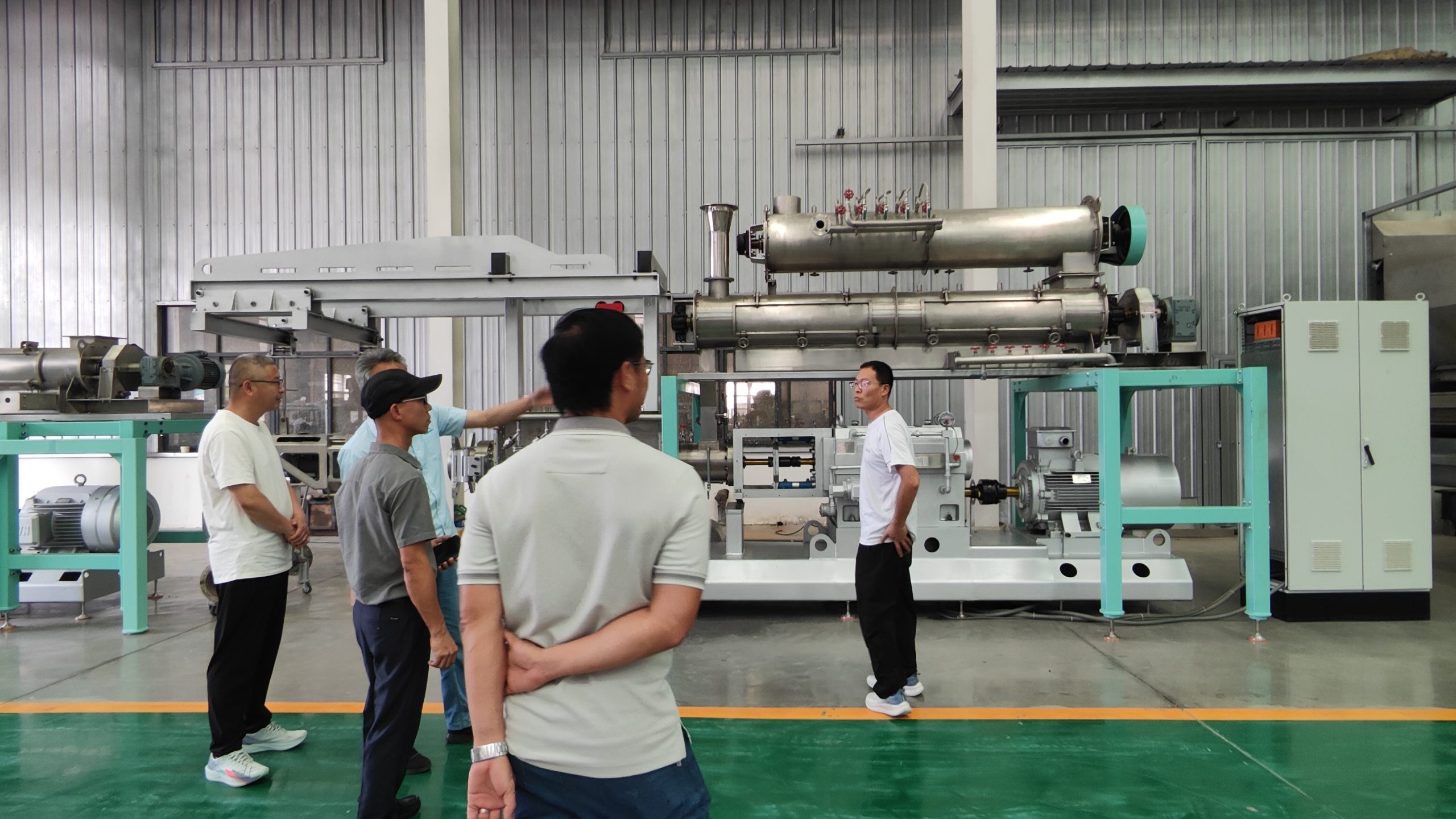

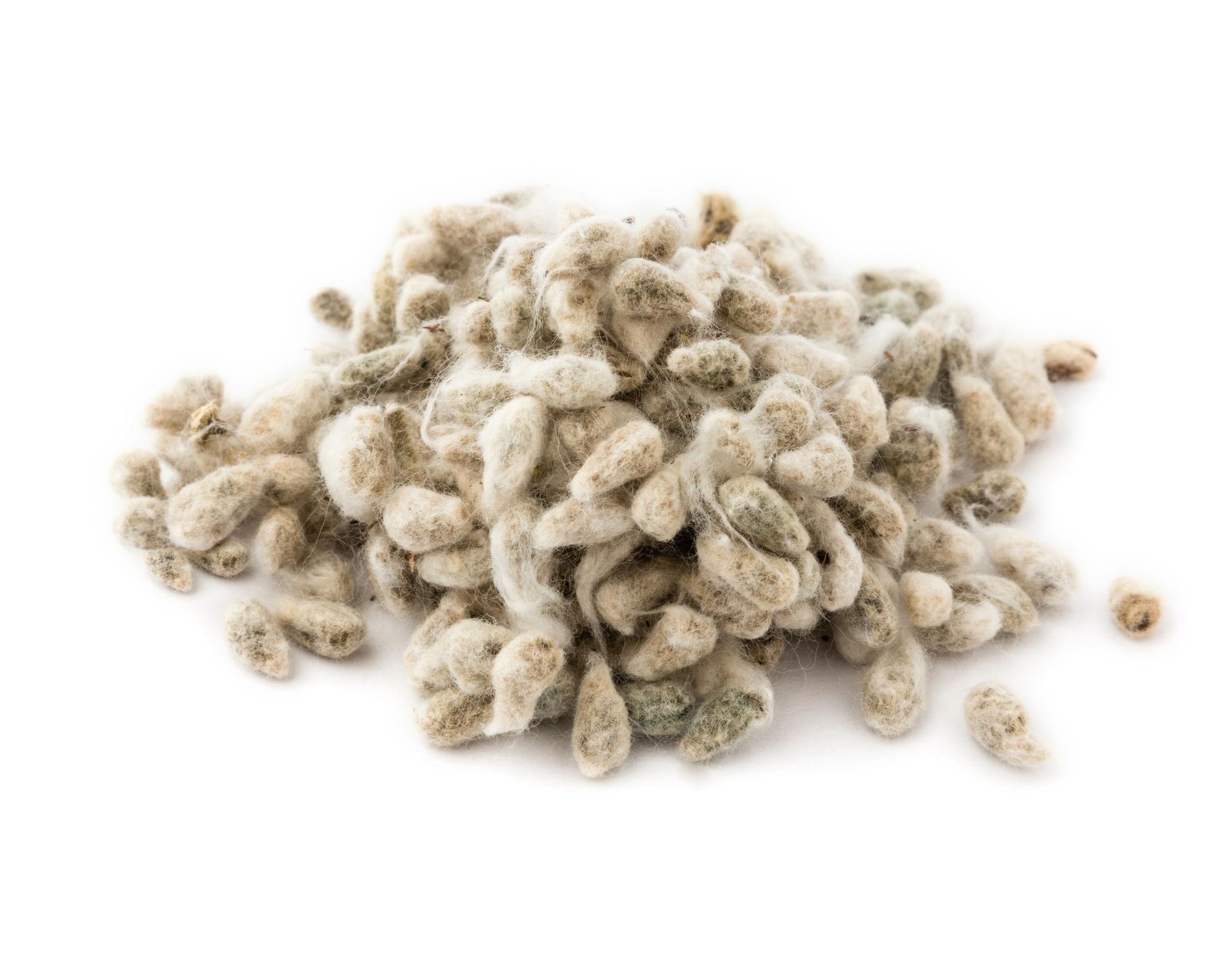
Processed via high-temperature extrusion, this ingredient is rich in both protein and oil. Compared to raw cottonseed, it features significantly lower levels of free gossypol, higher rumen-undegradable protein (RUP) content, and superior digestibility—making it a highly cost-effective protein and energy source.
✅ Key Benefits
1. Dual-source nutrition (protein + high-energy fat) to boost production performance
Contains approximately 20%–24% crude protein and 16%–20% crude fat, serving as an all-in-one protein and energy ingredient.
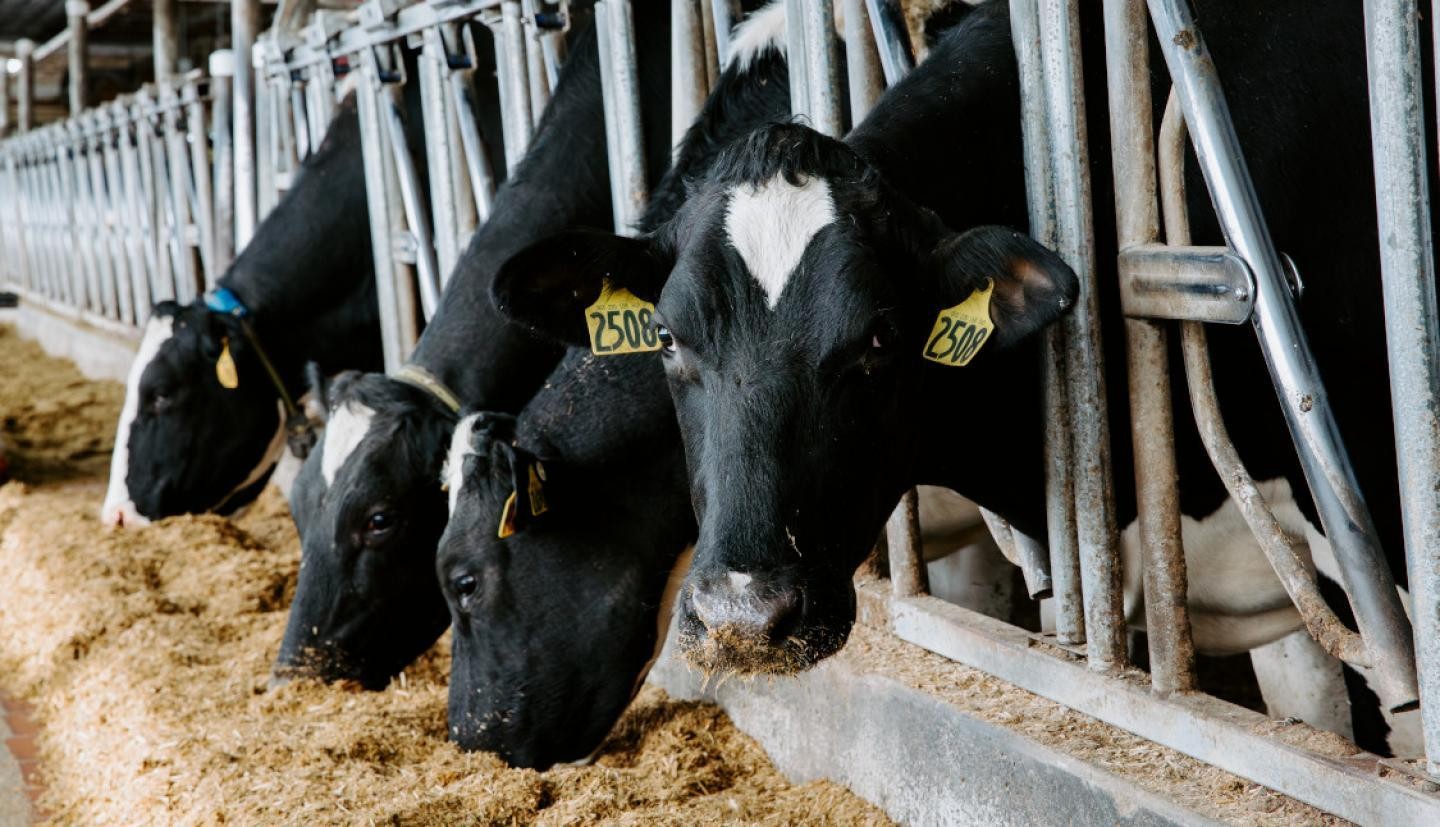
• Dairy cattle: Increases milk fat content, stabilizes milk yield, and helps maintain body condition.
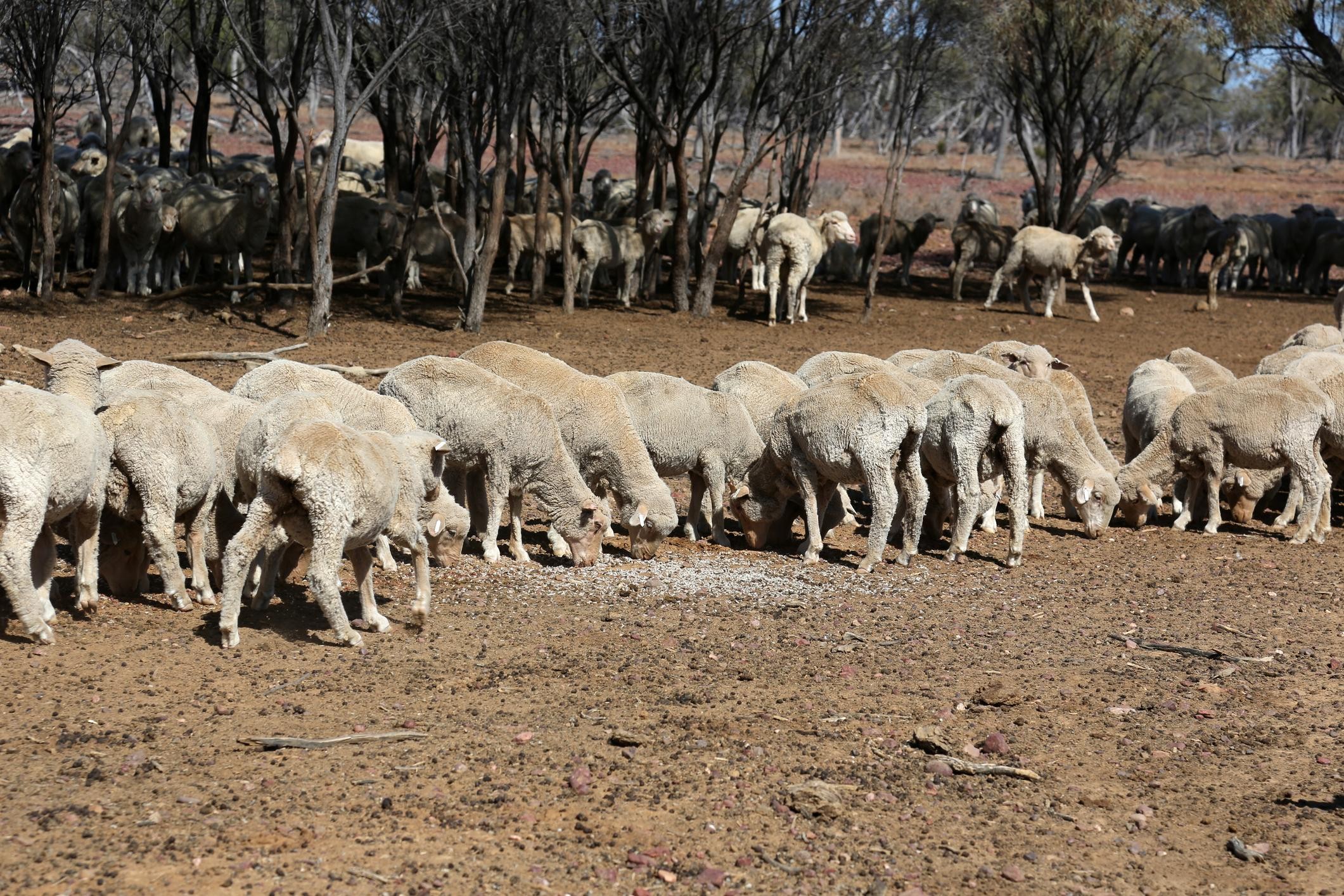
• Beef cattle/sheep: Enhances daily weight gain, improves coat condition, and optimizes the feed-to-gain ratio; can partially replace soybean meal to lower feed costs.
2. Increased rumen-undegradable protein (RUP) for better protein utilization
High-temperature extrusion triggers the Maillard reaction, which provides moderate protection to proteins. This increases the RUP fraction, allowing more protein to bypass the rumen and reach the small intestine for absorption—reducing nitrogen waste and improving the efficiency of muscle deposition.
3. Reduced free gossypol for safer feeding
High-temperature extrusion converts free gossypol into bound gossypol, significantly lowering toxicity. While this makes it safer than raw cottonseed, inclusion rates should still be managed within recommended limits.
4. Provides effective fiber to stabilize the rumen environment
Contains inherent cottonseed fiber, which supports normal ruminal motility, maintains the activity of rumen microorganisms, and reduces the risk of ruminal acidosis.
5. Improved palatability and enhanced digestibility
The extrusion process creates a light, porous texture and releases oils, making it highly palatable to cattle and sheep. Both fat and protein digestibility are notably higher than in raw cottonseed, resulting in less undigested feed appearing in the manure.
⚠️ Key Usage Guidelines
1. Recommended Inclusion Rates (in the concentrate portion of the ration)
• Fattening cattle and sheep: 10%–20% of the concentrate;
• Lactating dairy cows: 5%–10% of the concentrate.
2. Precautions
• Use with caution in breeding cows and breeding rams; long-term, high-level intake of gossypol can impair reproductive function.
• Minimize use in young calves and lambs.
• Due to high fat content, ensure the total dietary fat does not exceed 6%; excessive fat can inhibit rumen fermentation.
• For long-term use, it is recommended to supplement with iron to further mitigate the effects of gossypol.
3. Important Distinction: Extruded cottonseed is not the same as cottonseed meal. Cottonseed meal is defatted, whereas extruded cottonseed is full-fat and retains its natural oil content.